Argentina
European culture, South American freedom

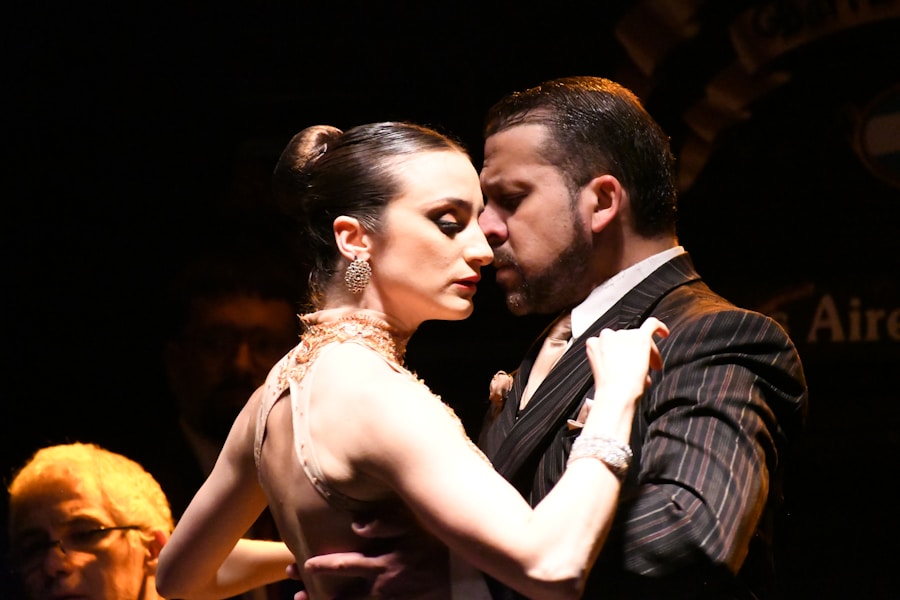

Argentina in 2026 is having a moment Europeans haven't seen in a generation. Under Javier Milei, inflation has fallen from triple digits to roughly 32% and trending down, the peso trades inside a managed band, and the country has surged nearly 40 points up the global economic-freedom index — the largest jump ever recorded. For a German or Dutch couple tired of 45% marginal tax, energy rationing, and identity-politics fatigue, Buenos Aires offers Parisian boulevards, Italian-Spanish soul, and a government openly hostile to wokeism and bureaucracy. The math works too: a Berlin budget buys a markedly richer life in Palermo.
What you actually get.
Six things that matter. Tap any card for the full briefing.
The full briefing
Click any section to expand.
Tax 5–35% brackets, no wealth tax on foreign assets for new residents
Argentina taxes residents on worldwide income through nine progressive brackets running from 5% up to a 35% top rate — but the brackets are now inflation-indexed twice a year, and personal deductions are unusually generous compared to Germany or France. For 2026, the top 35% rate only kicks in above roughly ARS 46 million of annual taxable income (well above €35,000), and a foreign tax credit applies to anything you've already paid abroad. There is no wealth tax on most worldwide assets for new residents during their first qualifying period, and capital gains on foreign-source financial assets enjoy favourable treatment versus Argentine-source equivalents.
Crucially, you are generally not considered a tax resident until you have held permanent residency or stayed more than 12 months — meaning a Rentista's first year can effectively be a soft landing. Milei's broader reform agenda has slashed dozens of nuisance levies, abolished the PAIS tax on FX transactions, and pushed the RIGI large-investment regime (30-year tax and customs stability for projects over US$200 million). A new Super-RIGI bill heading to Congress would drop corporate tax to 15%. For ordinary expat couples, the practical reality is simple: pay European-level rates on Argentine work income, nothing close to that on the pension or dividends you bring with you.
Cost of living €1,800–2,500/mo in Palermo — Berlin money, double the lifestyle
A comfortable couple's life in Palermo Soho or Recoleta runs about €1,800-2,500 per month all-in for 2026 — almost exactly the Berlin baseline, but for a meaningfully better lifestyle. A furnished one-bedroom in Palermo Hollywood goes for USD 700-1,100 (around €640-1,000); a stylish two-bedroom in Recoleta with balcony and porter sits at USD 1,200-1,800 (€1,100-1,650). Groceries for two land near €220, a SUBE-card transit pass is under €5, and full private health insurance (prepaga like OSDE or Swiss Medical) costs roughly €130-160 per person — for actual same-week specialist access, not a six-month German waiting list.
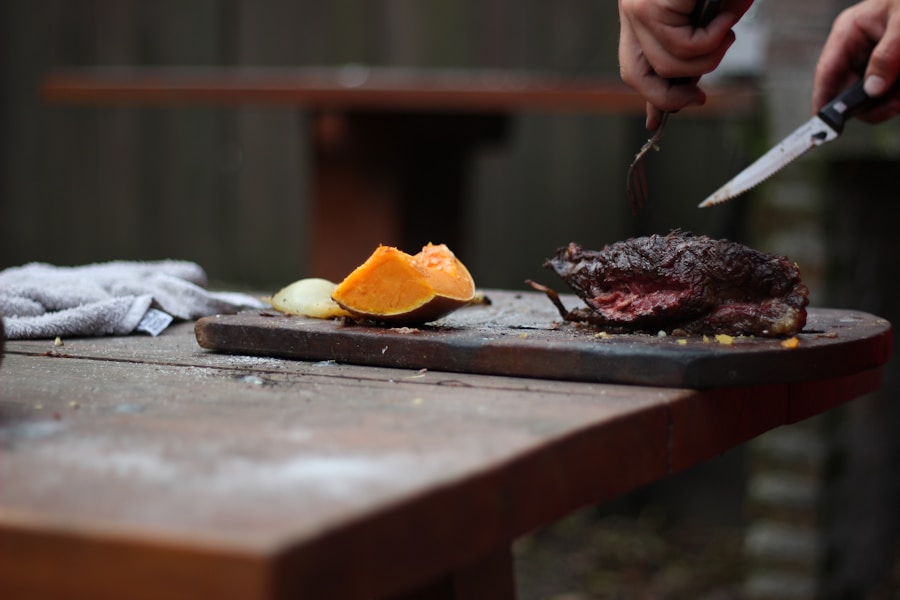
The real magic is what you stop budgeting for. Dinner at a proper Palermo parrilla with bife de chorizo, sides, and a bottle of Malbec runs €30-40 for two. A flat white at a third-wave café is €2.50. A weekly cleaner twice a week costs about €180/month. Domestic flights to Mendoza, Bariloche or Iguazú are €60-90. Uber across the city: €3. Couples report eating out five nights a week, hiring help, taking weekend trips to wine country — things that would be unimaginable luxuries on the same money in Munich or Amsterdam — and still finishing the month with savings.
Lifestyle Malbec, parrilla, late dinners, 2,500 hours of sun a year
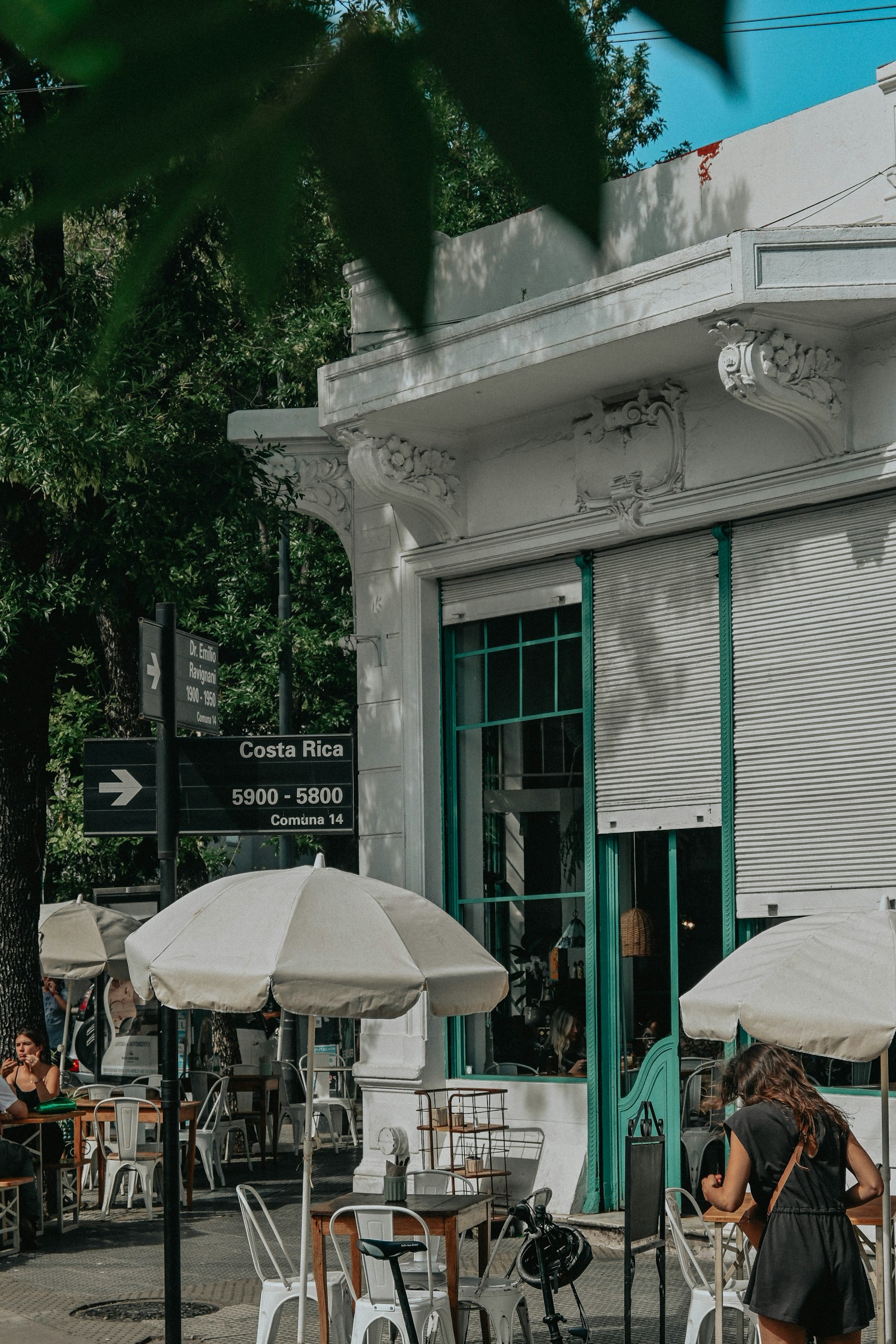
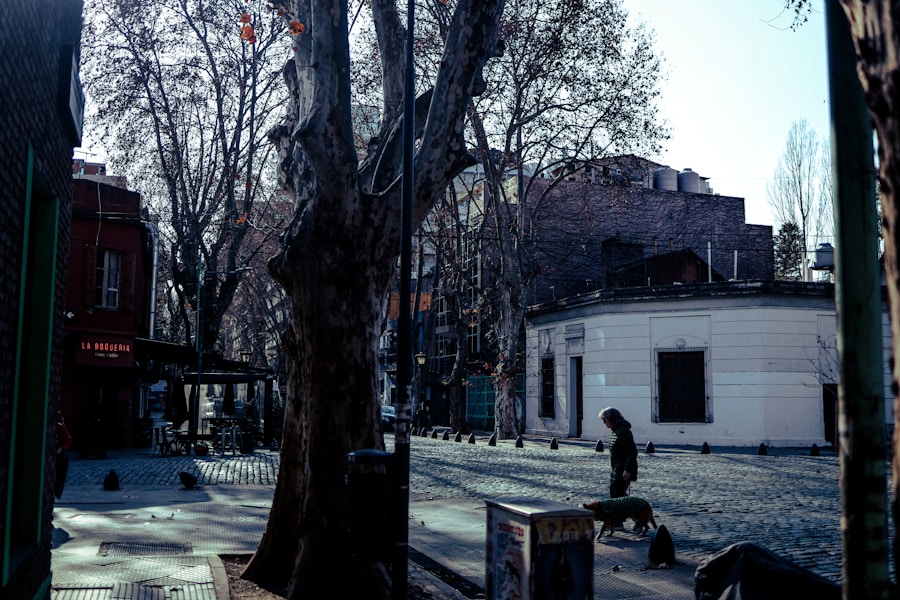
Buenos Aires is the most European city outside Europe, and Europeans feel it within an hour of landing. The architecture is Haussmann-era Paris crossed with Madrid; the coffee culture rivals Vienna's; the people are 60% of Italian descent and dinner starts at 21:30 like in Naples. Palermo's leafy streets hide art-deco apartments with 4-metre ceilings, hundred-year-old cafés notables where pensioners read Borges, and a third-wave specialty-coffee scene that takes flat whites as seriously as Melbourne. Mendoza's Malbec country is a 90-minute flight, the Atlantic beaches of Pinamar a four-hour drive, and the Andes loom on every clear winter morning.
The climate is the gentle inverse of Northern Europe — Buenos Aires sees four real seasons with mild 10-15°C winters (no snow, no darkness at 16:00) and warm 28-32°C summers, and roughly 2,500 hours of sun per year, more than double Hamburg. Daily rhythm is generous and humane: long lunches, sobremesa lingering with coffee, dinner past nine, friends dropping by unannounced, milongas until dawn. Argentines are warm, tactile, talkative, and culturally allergic to small-talk-only relationships. For a couple who misses the Mediterranean Europe of 1995 — before everyone got too busy and too anxious — this is unmistakably it.
Laws & freedom Milei's deregulation; +40 points on global economic freedom
Milei's deregulation push is the largest peacetime liberalisation any Western country has attempted this century. His government has repealed or simplified hundreds of regulations at a rhythm reported at roughly two per day, dismantled rent controls (which is exactly why Palermo's rental market actually has supply again), cut the number of ministries from 18 to 8, and is now pushing a "Ley Hojarasca" to wipe a further 70 obsolete laws off the books. Argentina jumped nearly 40 positions in the Heritage/Fraser economic-freedom rankings — the biggest single-country improvement on record. The country feels, palpably, like somewhere bureaucracy is in retreat rather than advancing.
Culturally, the climate is what brings many Europeans across the Atlantic. Milei is openly, vocally anti-woke — he called it "the cancer that needs to be extirpated" at Davos — and has dismantled gender-ideology programmes in state institutions. Free speech is robust: you can say what you actually think in a Palermo bar without scanning the room first. Foreigners can buy urban property freely on equal terms with citizens (the 2011 rural-land cap on agricultural holdings still technically applies but the urban market is wide open), open peso and dollar bank accounts, and own businesses outright. For a couple from Germany or the Netherlands accustomed to walking on eggshells, the relief is immediate.
Safety CABA homicide 3–4/100k — on par with Berlin or Brussels
The honest picture: Buenos Aires has petty crime, not the violent crime that scares people about Latin America. CABA's intentional homicide rate sits at roughly 3-4 per 100,000 — essentially identical to Berlin (around 1) or Brussels (around 3), and far below Baltimore or Marseille. What you actually need to watch for is motochorros (motorbike phone-snatchers) at red lights and distraction theft on the Subte at rush hour. Home invasions in the expat barrios are statistically rare; most porteños have never experienced one. Walk Recoleta or Palermo at midnight and you'll see couples with strollers, dog-walkers, and full restaurant terraces.
The expat-favourite zones are noticeably safer than the city average. Puerto Madero — the rebuilt dock district — has private security, modern surveillance, and is consistently the lowest-crime barrio in CABA. Belgrano is leafy, family-oriented, with strong police presence and rents 30-40% lower than Puerto Madero for the same feel. Recoleta is the embassy district, dignified and quiet. Palermo (Soho, Hollywood, Chico) is the busy social heart and stays lively until 03:00 without trouble for residents who use Uber or Cabify late at night. For a European couple, the practical safety bar is closer to Lyon or Hamburg than to anywhere alarming.
Visa pathway Rentista visa: ~€1,850/mo passive income; citizenship in 2 years
The Visa Rentista is the cleanest pathway for financially independent Europeans. As of May 2026, you must demonstrate stable monthly foreign-sourced passive income equal to at least five times Argentina's minimum wage — currently around ARS 1,815,000 per month, which works out to roughly USD 2,000 or €1,850. The income must come from assets (rentals, dividends, bonds, pensions, royalties), not active employment. You apply at the Argentine consulate in your home country, receive a one-year temporary residency, and renew annually. There is also a Pensionado visa for retirees with a guaranteed pension of similar size, and Milei has floated a citizenship-by-investment track for larger investors.
After three renewals (three years of continuous temporary residency), you can convert to permanent residency, which is indefinite and removes the income test entirely. Naturalisation has tightened under Decree 366/2025: you now need two continuous years of legal residency in Argentina with a DNI, and any exit from the country resets the clock — so plan a full settled-in year before any long European holiday. Argentine citizenship is genuinely powerful: a passport with visa-free access to over 170 countries including all of Schengen, the right to pass it to children born abroad, and — unlike Germany — Argentina has no problem with you keeping your original passport too.
Your 5-step plan
Use only the services you need. None of the below steps are required — pick the ones that fit your situation.
Apply for a consultation
We talk first to confirm fit on both sides before any commitment.
Scout trip (10–14 days)
Visit, walk neighborhoods, meet local lawyers and current expats.
Visa application
We connect you with vetted local immigration counsel and prep all documents.
Banking + housing
Open local accounts, secure a 12-month rental in the right neighborhood.
Move-in + integration
Healthcare, schools, drivers license, and into the expat network.
Serious about Argentina?
Apply for a consultation. We reply within 24 hours.
Apply for a consultation