United Arab Emirates
Low tax, world-class infrastructure, zero excuses

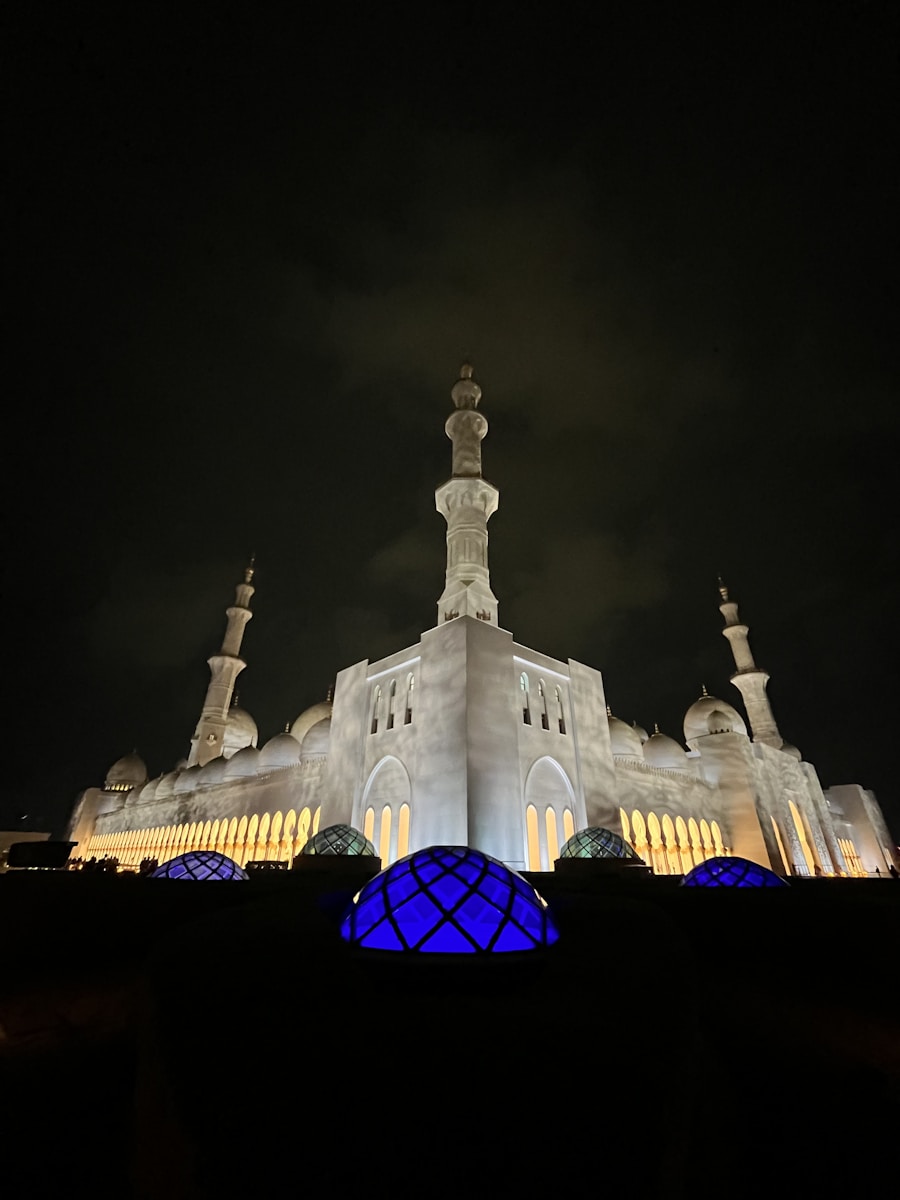

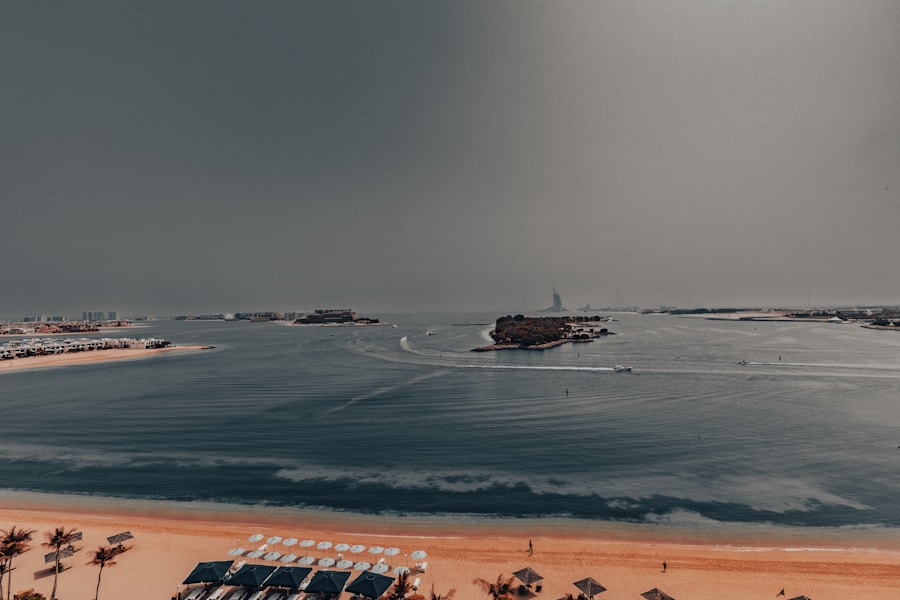
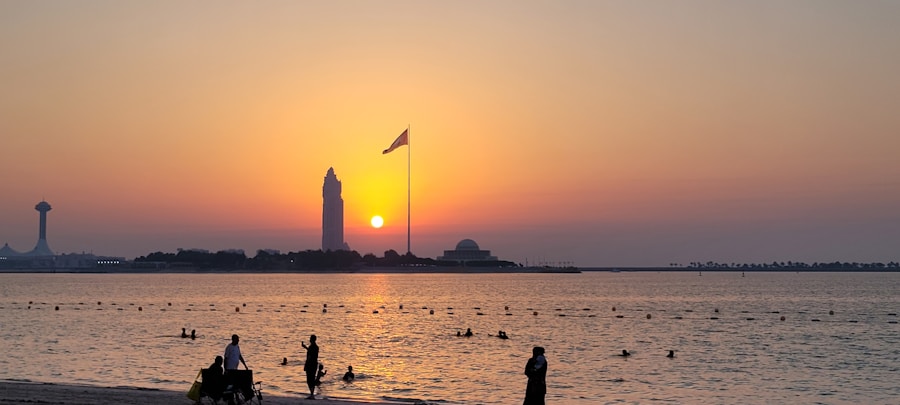
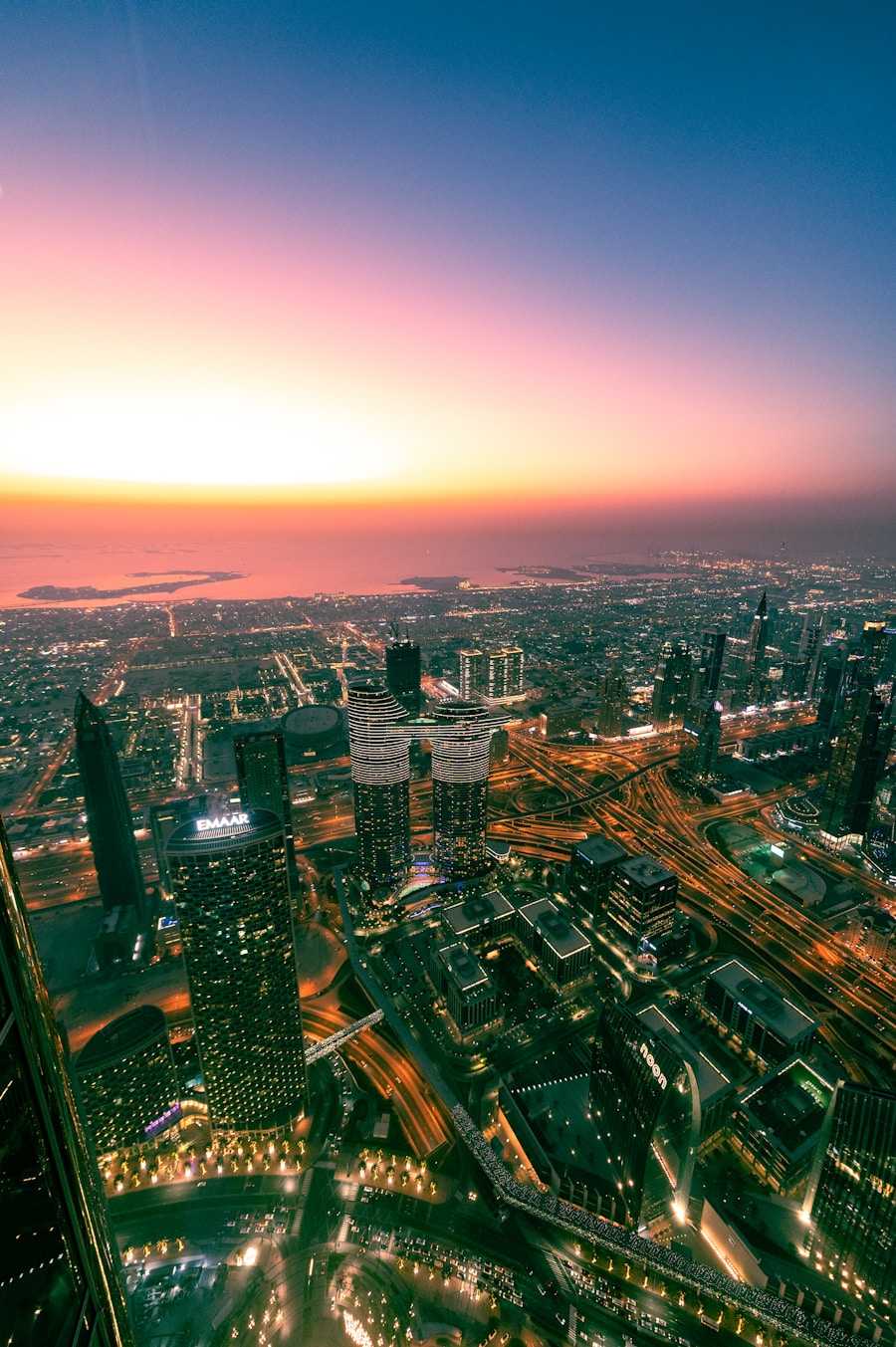
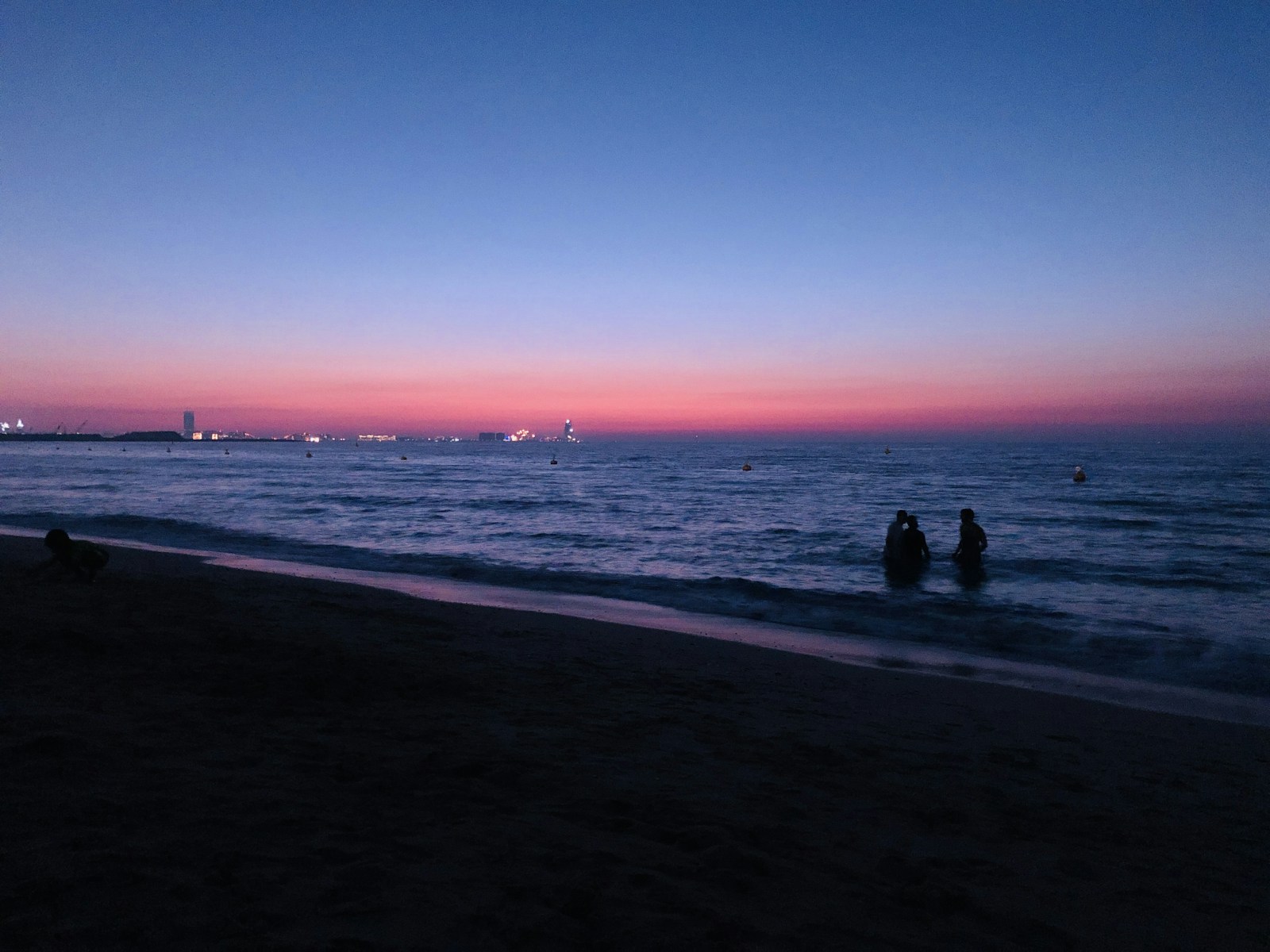
The United Arab Emirates remains the marquee escape hatch for Europeans tired of high taxes, grey skies, and creeping bureaucracy. In 2026 the headline news is a 5% VAT and a corporate tax of 9% above AED 375,000, but personal salary income for most residents is still effectively untaxed at the federal level. Combine that with year-round sunshine, the world's safest streets, and a 10-year Golden Visa pipeline, and the UAE delivers a lifestyle upgrade that few destinations on Earth can match. It is pricier than Berlin or Lisbon, but the trade-off is a polished, frictionless life on the Gulf coast.
What you actually get.
Six things that matter. Tap any card for the full briefing.
The full briefing
Click any section to expand.
Tax Still 0% personal income tax in 2026 (5% VAT only)
The UAE's tax structure remains one of the most generous on the planet for individuals. As of 2026 there is still no federal personal income tax on salaries, dividends, capital gains, or rental income for residents, a position publicly reaffirmed by the Federal Tax Authority and the Ministry of Finance. A 5% Value Added Tax applies to most goods and services, mirroring a sales tax rather than a wage tax, and a handful of emirate-level fees touch tourism and property. For Europeans accustomed to combined income and social charges of 40-55% in Germany, France, or the Nordics, the take-home difference is transformative from month one.
On the business side, a 9% federal corporate tax applies to taxable profits above AED 375,000 (roughly €93,000); everything below that threshold is taxed at 0%, an automatic small-business cushion. Qualifying free zone entities can still access a 0% rate on qualifying income, and Small Business Relief shields companies under AED 3 million in revenue through 31 December 2026. Compared with the EU average corporate rate of around 21% and personal top brackets touching 55%, the UAE's headline numbers remain dramatically lower, even after the recent reforms.
Cost of living €4,500–6,500/mo for couples in Dubai; world-class amenities
Dubai is not a cheap city, and Europeans relocating from Berlin's €2,500-a-month comfort zone should budget accordingly. A single professional living modestly in Jumeirah Lake Towers or Discovery Gardens typically spends €2,800-3,500 per month including rent on a one-bedroom, utilities, transport, and groceries. A couple living comfortably in Dubai Marina or Downtown should plan for €4,500-6,500 monthly once a car, school-free leisure, and weekend dining are factored in. Rent is the dominant variable: a Marina one-bed runs €2,000-2,500 per month, roughly double a similar apartment in Berlin's Mitte.
What you get for that premium is what Berlin cannot deliver. Groceries at Carrefour and Spinneys are comparable to European supermarkets, fuel is a third of EU prices, and a tax-free salary stretches enormously further than its nominal value suggests. Healthcare is private but excellent, with mandatory insurance often employer-covered. Abu Dhabi is meaningfully cheaper than Dubai, around 15-20% less on rent, and Sharjah or Ajman cut housing in half for commuters. The honest framing: Dubai costs more in euros, but the net-of-tax purchasing power for a €100,000 salary is closer to a €160,000 Berlin equivalent.
Lifestyle Year-round sun, glittering infrastructure, family-safe, modern
The UAE delivers a lifestyle that feels engineered for comfort. Sunshine is essentially guaranteed from October through April, with mild 22-28°C winters that turn beaches, rooftop pools, and desert dunes into year-round playgrounds. Public infrastructure is world-class: the Dubai Metro runs spotlessly on time, the new Etihad Rail link will connect Abu Dhabi to Dubai in 57 minutes in 2026, and the road network is among the smoothest on Earth. The restaurant scene rivals London and Paris, with Michelin-starred Japanese, Levantine, Italian, and modern Emirati kitchens scattered across both cities.
Family life is exceptional. International schools follow British, American, French, German, and IB curricula, parks are immaculate, and shopping malls double as climate-controlled community hubs through the hot summer months. Healthcare facilities such as Cleveland Clinic Abu Dhabi and Mediclinic Parkview operate at first-world standards. The cultural calendar has matured dramatically, from Louvre Abu Dhabi exhibitions to F1 weekends in Yas Marina, art fairs in Alserkal, and the desert quiet of Liwa or Hatta only an hour from the skyline. Hyper-modern, polished, and reliably pleasant.
Laws & freedom Strict but predictable, transparent rule of law, business-friendly
The UAE legal environment is strict but refreshingly predictable. Civil and commercial codes draw heavily from continental European traditions, with Sharia principles applying primarily to family and personal-status matters for Muslim residents. Common-law courts operate inside the Dubai International Financial Centre and Abu Dhabi Global Market, giving international businesses an English-language, judge-led forum that is widely respected by global counterparties. Contracts are enforced, registries are clean, and the World Bank consistently ranks the UAE among the easiest places on Earth to do business.
Personal freedoms are broader than the stereotype suggests, with alcohol licensed in most venues, mixed-gender public life entirely normal, and dress codes relaxed in residential and tourist areas. The flip side is genuine zero tolerance for fraud, drug offences, public intoxication, and online defamation, so behaviour that might earn a warning in Berlin can mean detention here. For honest professionals and entrepreneurs, the system feels protective rather than oppressive: courts move quickly, white-collar crime is prosecuted aggressively, and the regulatory framework rewards transparency. It is a high-trust environment underpinned by clear, well-enforced rules.
Safety Ranked safest country on Earth in 2026 — 98.7% feel safe at night
The UAE has been ranked the safest country in the world by the Numbeo Safety Index for 2026, scoring 86.0 and edging out Qatar and Andorra at the top of the global table. A staggering 98.7% of residents report feeling safe walking alone after dark, with women's responses at 98.1%, figures unimaginable in most European capitals. Abu Dhabi sits at second place globally among cities with a Safety Index of 88.9, while Dubai consistently ranks in the top ten worldwide. Violent crime is statistically negligible and street harassment is rare.
What this translates to in daily life is profound: children walk to school playgrounds unaccompanied, women take taxis or the metro alone at 2am without a second thought, and unattended laptops in coffee shops simply do not get stolen. Mosques, malls, parks, and corniches are family spaces from morning until late evening. The combination of high-visibility policing, ubiquitous CCTV, and a tightly enforced legal code creates an environment that European parents in particular find startling at first and then quickly come to take for granted. Safety is the UAE's quiet superpower.
Visa pathway Golden Visa up to 10 years; freelance permits from AED 5,750
The Golden Visa is the centrepiece of the UAE's residency offering, providing a renewable 10-year residence permit with full family sponsorship and no requirement to stay continuously in-country. Investors qualify with AED 2 million (roughly €500,000) deployed in property or a licensed business, and the previous 50% downpayment rule for property buyers was removed in 2026. The talent track admits scientists, doctors, engineers, top executives, founders with traction, and now content creators, e-sports professionals, nurses, and teachers under the expanded 2025-2026 criteria. Outstanding students, humanitarian pioneers, and Waqf donors also have dedicated pathways.
For Europeans who don't meet the Golden Visa thresholds, the freelance permit is the practical entry route. Free zones such as Shams, IFZA, Meydan, RAKEZ, and Dubai Media City issue freelance licences from around AED 5,750-15,000 per year, bundled with a renewable two- or three-year residence visa. A salaried employment visa requires a sponsoring employer and is typically straightforward for professionals earning above AED 15,000-30,000 per month. Retirees over 55 qualify for a five-year retirement visa via AED 1 million in property, AED 1 million in savings, or AED 20,000 monthly income. Processing is fast, digital, and predictable.
Your 5-step plan
Use only the services you need. None of the below steps are required — pick the ones that fit your situation.
Apply for a consultation
We talk first to confirm fit on both sides before any commitment.
Scout trip (10–14 days)
Visit, walk neighborhoods, meet local lawyers and current expats.
Visa application
We connect you with vetted local immigration counsel and prep all documents.
Banking + housing
Open local accounts, secure a 12-month rental in the right neighborhood.
Move-in + integration
Healthcare, schools, drivers license, and into the expat network.
Serious about United Arab Emirates?
Apply for a consultation. We reply within 24 hours.
Apply for a consultation