
Thailand
Best-in-class healthcare, lowest cost serious country
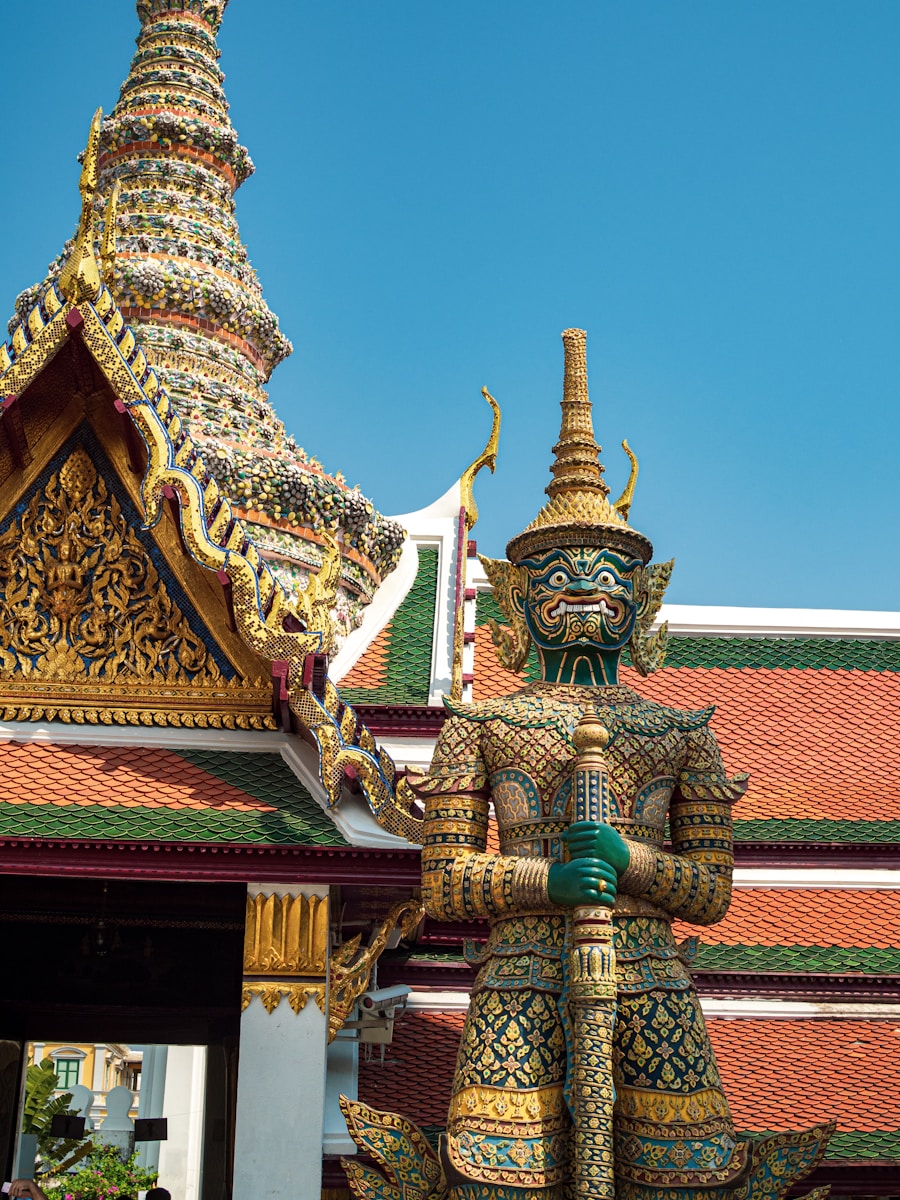

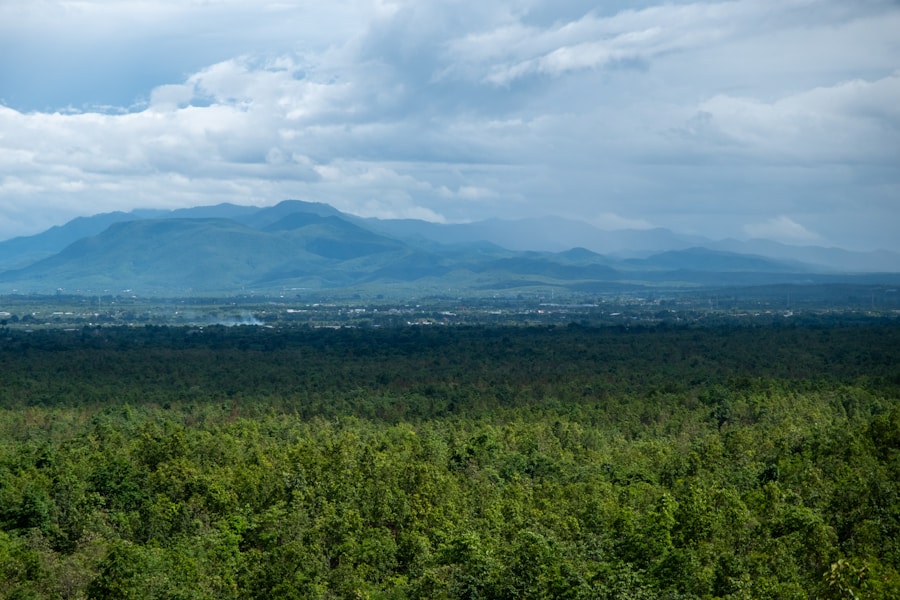

Thailand has quietly become Europe's favorite warm-weather escape, and 2026 is the year the math finally adds up for everyone, not just retirees. A modernized Long-Term Resident visa offers ten-year stays with zero tax on foreign income for qualifying global citizens, pensioners and remote workers. Bangkok skyscraper condos, Chiang Mai's misty mountains and Phuket's turquoise coves cost roughly half of Berlin while delivering world-class hospitals, fiber internet and direct flights to almost everywhere in Asia. Add legendary food, a culture built around smiling generosity, and a remittance-based tax system being softened further in 2026, and Thailand stops looking like a holiday and starts looking like a life.
What you actually get.
Six things that matter. Tap any card for the full briefing.
The full briefing
Click any section to expand.
Tax 0% foreign income tax on LTR visa; remittance-based system otherwise
Thailand applies progressive personal income tax rates from 5% to 35%, with the first 150,000 baht (around €3,900) entirely tax-free and the top 35% bracket only kicking in above 5 million baht of annual income. Crucially, Thailand is a residence-based, remittance-based system: you only become a tax resident if you spend 180+ days a year in the country, and only foreign income you actually bring into Thailand is potentially taxable. Compared with Germany, France or Italy taxing your worldwide income from day one, this structure leaves enormous room for legal optimization, especially for retirees living off savings already accumulated before 2024.
The 2024 reform tightened the old loophole that let expats park foreign earnings offshore for a year and remit them tax-free. From January 2024, any assessable foreign income remitted to Thailand became taxable for residents, regardless of when it was earned, though pre-2024 income remains permanently exempt. But Thailand reversed course in 2025: the Revenue Department's draft regulation, taking effect with the 2026 filing window, restores a generous two-year exemption window for foreign income remitted within the year earned or the following year. LTR visa holders skip this entirely, enjoying a flat 0% on foreign-source income for ten years.
Cost of living Live richly on €1,200–1,800/mo vs Berlin €2,500 — sun included
If your Berlin life costs around €2,500 a month, the same money in Thailand buys an extravagant existence. A single expat lives comfortably in Bangkok on roughly €1,400-1,800 per month including a modern central condo, daily restaurant meals, transport and a gym, while Chiang Mai typically runs 20% cheaper at €1,000-1,400 for a lifestyle that includes a pool, mountain views and weekly massages. Phuket sits about 20% above Bangkok thanks to its tourism premium, but still undercuts any major German city by half. Street food at €1.50, taxis from €2, and condo rentals from €350 make the math almost embarrassing.
The deeper saving comes from what you stop spending on. Heating bills vanish in a tropical climate, winter wardrobes become irrelevant, and Thailand's private healthcare costs a fraction of what European insurance premiums extract from your paycheck each month. A specialist consultation at a JCI-accredited hospital runs €30-60, dental cleanings around €25, and a comprehensive annual health check at Bumrungrad costs less than a single dentist visit in Munich. Even with 30-50% price increases since 2019 across most categories, Thailand remains one of the world's great arbitrages for euro-denominated savers and remote workers.
Lifestyle Tropical climate, world-class food, JCI hospitals, Asia at your door
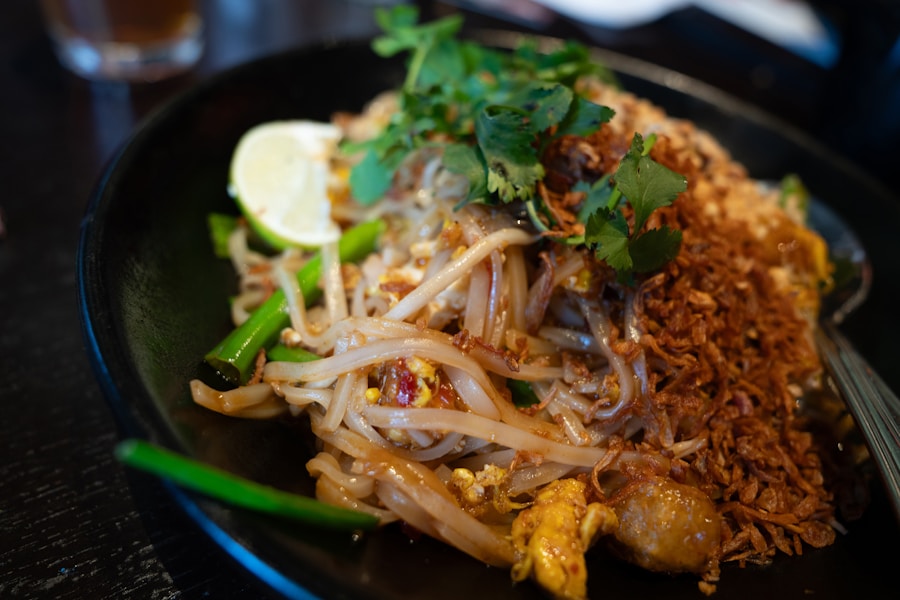
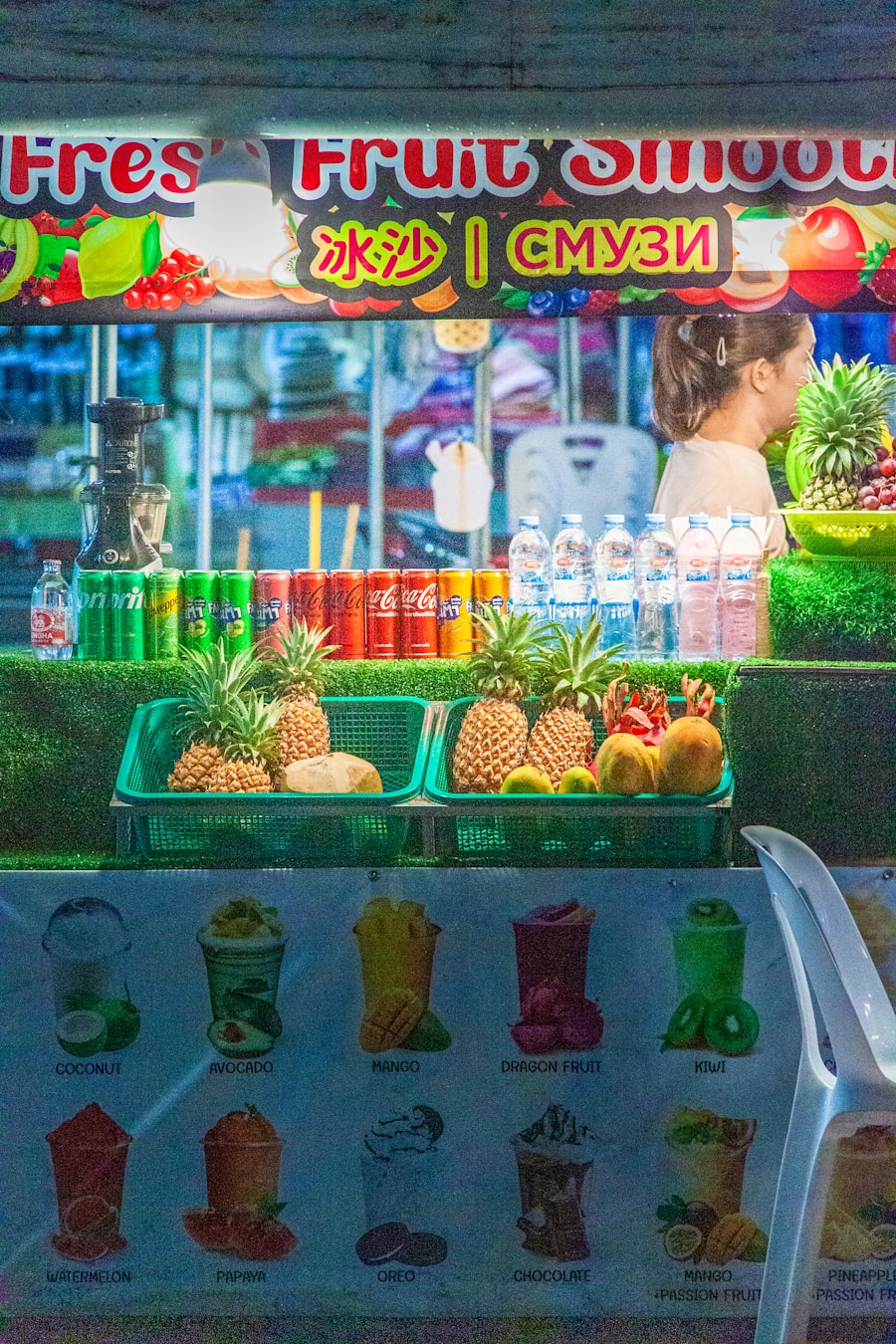
Thailand's reputation for hospitality is not marketing. The famous Thai smile, the deference of service, the gentle pace of social interaction, all combine into a daily life that feels softer than the transactional rush of European capitals. Mornings begin with strong coffee in an open-air cafe, lunches feature pad krapao or tom yum eaten elbow-to-elbow with office workers for €2, and evenings stretch into rooftop bars, night markets buzzing with grilled satay, or cinema-quality dinners at Michelin-starred restaurants for the price of a Berlin pizza. Bangkok punches above its weight culturally with world-class galleries, indie music venues, design districts in Charoenkrung and a nightlife that genuinely never sleeps.
Beyond Bangkok, Chiang Mai offers a slower, greener rhythm with a thriving digital nomad scene, vegan cafes and easy access to jungle treks and elephant sanctuaries. Phuket and Koh Samui give you island life with international schools and yacht clubs, while Hua Hin and Pattaya court a quieter retired crowd. Healthcare is a genuine pleasure rather than a chore: walk into a private hospital, register in minutes, see an English-speaking specialist the same day. Thailand also sits at the heart of Asia, with two-hour flights to Vietnam, Bali, Singapore or Tokyo making weekend escapes feel routine.
Laws & freedom Light-touch enforcement for foreigners; condo freehold allowed
Thailand operates with a generally light regulatory touch toward foreigners going about peaceful, productive lives. Bureaucracy can be slow, but day-to-day enforcement is pragmatic, and expat communities in Bangkok, Chiang Mai and the islands largely fly under the radar so long as visas and basic rules are respected. Two areas demand discretion: criticism of the monarchy is prohibited under strict lese-majeste laws and best avoided entirely, and political demonstrations are not something foreigners should join. Cannabis was decriminalized in 2022 and remains broadly tolerated, while drug enforcement around harder substances is severe. Stay sensible and Thailand feels remarkably free.
Property rights for foreigners are clear if narrower than in Europe. Land cannot be owned outright by non-Thais, full stop, and the 2025 crackdown on nominee companies, with 46,000+ structures identified and 852 prosecutions, made clear that workarounds carry real risk. Condominiums, however, can be owned freehold and forever by foreigners up to a 49% quota per building, with funds transferred from abroad and recorded officially. Villas are typically structured as building ownership plus a 30-year land lease, with the Supreme Court invalidating speculative 30+30+30 renewal chains in 2025. Buy a condo, lease a villa, and your rights are solid.
Safety Very low violent crime; expat zones safer than most EU cities
By the numbers that matter most, Thailand is remarkably safe. Violent crime against foreigners is rare, gun ownership is restricted, and walking around Bangkok or Chiang Mai at 2am feels noticeably less edgy than equivalent strolls through parts of Paris, Brussels or Berlin. The U.S. State Department lists Thailand among the safer global destinations, Bangkok's serious incidents involving international visitors actually fell in early 2026, and expat zones like Sukhumvit, Thonglor, Nimman and Rawai operate with a quiet, well-policed normality. Locals are conflict-averse by culture, neighborhoods feel community-oriented, and the practical day-to-day risk of personal harm is low for anyone using basic urban awareness.
The genuine risks are different from European ones. Road traffic is the headline danger: Thailand's per-capita road death rate is among the world's highest, driven mostly by motorbike accidents, so renting a scooter without a helmet and experience is the single most dangerous thing tourists do. Scams come second, with gem shops, dodgy taxi meters, jet-ski deposit schemes and an uptick in pickpocketing in tourist hotspots. Border tensions with Cambodia flared briefly in early 2026 but stayed remote from expat areas. Stick to Grab over street taxis, skip the motorbike, and Thailand becomes one of the calmest places to live in Asia.
Visa pathway 10-year LTR visa, 5–20yr Privilege visa, retirement options at 50+
The Long-Term Resident visa, launched in 2022 and refined for 2026, is the headline pathway for serious European emigrants. It grants ten years of residence across four tracks: Wealthy Global Citizens with USD 1 million in assets, Wealthy Pensioners aged 50+ with USD 80,000 annual passive income (or USD 40,000 plus USD 250,000 in Thai assets), Work-from-Thailand Professionals earning USD 80,000+ remotely from established overseas firms, and Highly Skilled Professionals in targeted industries. All require USD 50,000 health coverage. Benefits include 0% tax on foreign income, fast-track immigration lanes, a digital work permit, no 90-day reporting and a flat 17% rate on Thai-source income for skilled professionals.
If LTR thresholds feel steep, two well-trodden alternatives exist. The Thailand Privilege Visa, formerly Thailand Elite, sells 5, 10, 15 or 20-year stays starting at 650,000 baht (around €17,000) for the Bronze tier and climbing to 5 million baht for Reserve, with no income, age or employment tests, just the membership fee. The classic Retirement (Non-O) visa remains available from age 50, requiring either 800,000 baht (€21,000) on deposit in a Thai bank for two months before applying or a monthly income of 65,000 baht (€1,700). For digital nomads under 50, the new Destination Thailand Visa offers a five-year multiple-entry option.
Your 5-step plan
Use only the services you need. None of the below steps are required — pick the ones that fit your situation.
Apply for a consultation
We talk first to confirm fit on both sides before any commitment.
Scout trip (10–14 days)
Visit, walk neighborhoods, meet local lawyers and current expats.
Visa application
We connect you with vetted local immigration counsel and prep all documents.
Banking + housing
Open local accounts, secure a 12-month rental in the right neighborhood.
Move-in + integration
Healthcare, schools, drivers license, and into the expat network.
Serious about Thailand?
Apply for a consultation. We reply within 24 hours.
Apply for a consultation