
Costa Rica
Pura vida — the original lifestyle escape
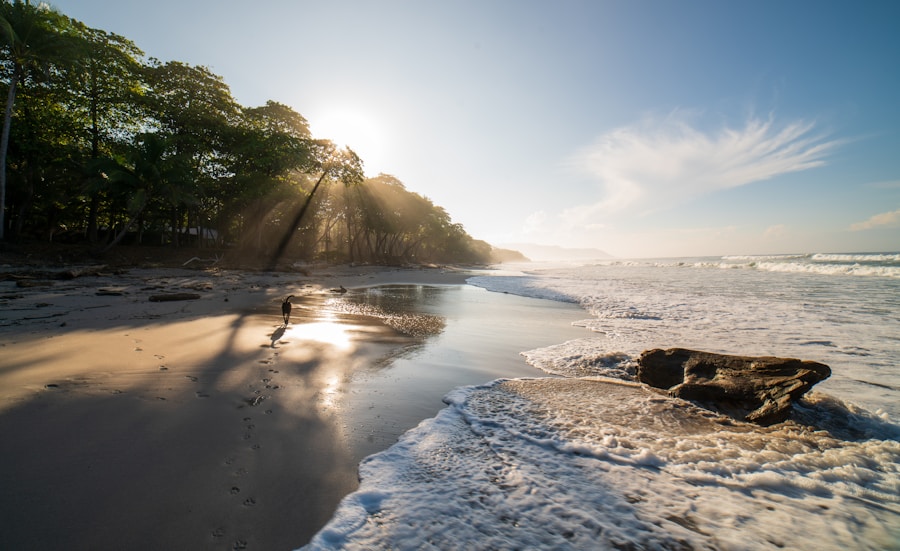
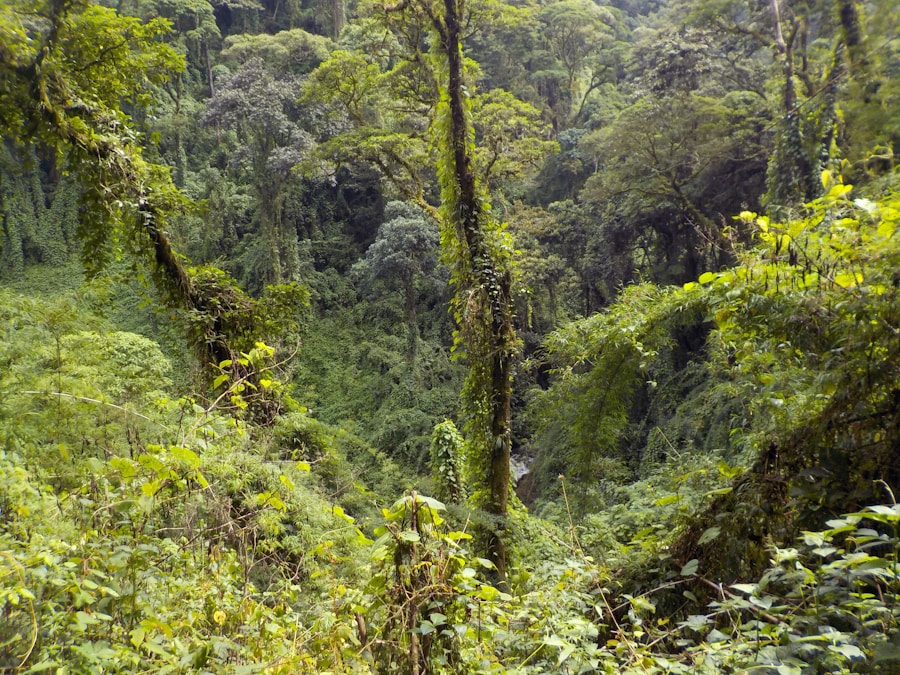
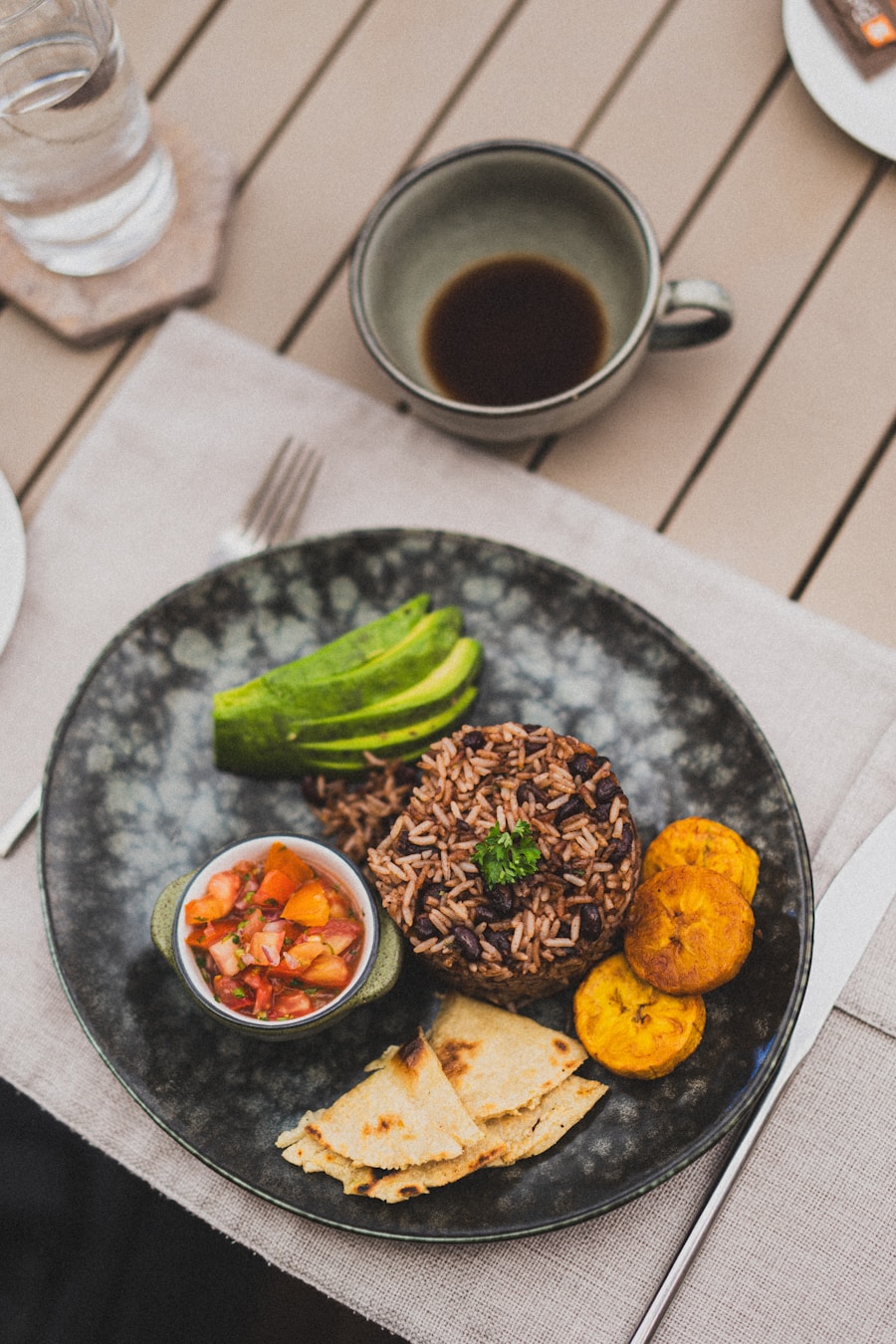
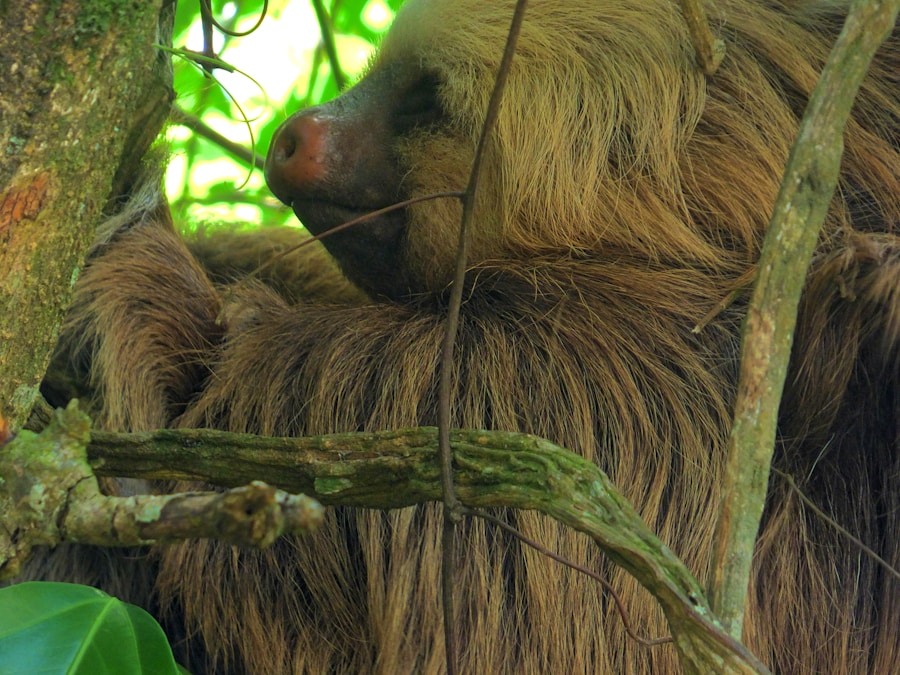
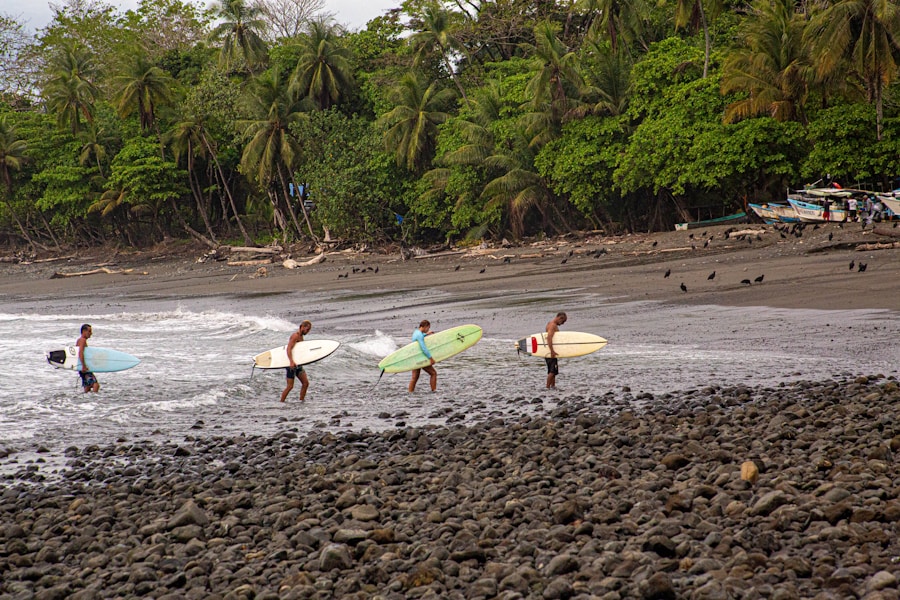

Costa Rica is the country that traded its army for schools, hospitals and rainforests, and the dividend shows up everywhere you look in 2026. For Europeans tired of grey winters, tightening tax nets and twitchy borders, this small Central American republic offers a territorial tax system, a famously chill pura vida culture and two coastlines you can reach in the same afternoon. Stable, demilitarised and remarkably green, it has become a magnet for retirees, remote workers and families seeking softer weather and softer rules. Pack flip flops, learn to say mae, and read on.
What you actually get.
Six things that matter. Tap any card for the full briefing.
The full briefing
Click any section to expand.
Tax Territorial system: foreign income fully exempt, no wealth tax
Costa Rica runs a pure territorial tax system, which is exactly the line most Europeans dream about when they look at their payslip. Only income generated inside Costa Rica is taxable here, so foreign salaries, pensions, dividends, rental income from your Lisbon flat and crypto gains parked offshore stay completely outside the local net, even after you become a tax resident at the 183-day mark. There is no wealth tax, no inheritance tax in the European sense, and no global reporting regime that drags your worldwide assets onto a Costa Rican form. For most newcomers, the annual local return is short and friendly.
If you do open a local consultancy, run an Airbnb or take a Costa Rican client, the local brackets are gentle. Personal income tax climbs from 0 percent to a top of 25 percent, with the salaried exemption sitting around 918,000 colones per month in 2026, roughly EUR 1,500. Digital Nomad visa holders earning at least USD 3,000 abroad get an explicit statutory exemption on that foreign income, removing any ambiguity. Compared to a German or French marginal rate north of 45 percent on top of social charges, the math for relocating tax residency to San Jose can be quietly transformational over a decade.
Cost of living Live well on €1,800–3,000/mo in the Central Valley
Berlin at EUR 2,500 a month buys you a small flat, a U-Bahn pass and a careful eye on the grocery bill. The same budget in Costa Rica's Central Valley, around San Jose, Escazu and Santa Ana, buys a genuinely upgraded life. A modern two-bedroom in Escazu rents for roughly EUR 850–1,400, a hearty casado lunch is EUR 5, domestic help and gardeners are affordable, and a private specialist appointment runs EUR 50–70 without insurance. Most expats settle into a comfortable EUR 1,800–2,800 monthly budget in the Central Valley, leaving real slack for weekend escapes to volcanoes, cloud forests and Pacific beaches.
Coastal life costs more but trades it for sunsets. Tamarindo and Nosara in Guanacaste run 40–80 percent above Central Valley prices, with two-bedroom rentals near the beach typically EUR 1,400–2,300 and air-conditioning bills climbing to EUR 140–320 in the dry season. A realistic coastal budget lands between EUR 2,300 and 3,700 per month for a couple, still comfortably under Berlin once you factor in lower healthcare premiums, cheaper produce from the weekly feria, and the fact that surfboards depreciate slower than winter coats. Imported wine and electronics are the genuine luxuries here.
Lifestyle Pura vida culture, two oceans, rainforests, 24°C year-round
Pura vida is more than the slogan painted on every taxi mirror, it is an operating system. Days run slower, neighbours actually wave, and the unofficial national skill is letting small problems dissolve in conversation over a cortado. Costa Rica packs an outrageous amount of nature into a country smaller than Switzerland: Pacific surf breaks at Santa Teresa, Caribbean reggae towns like Puerto Viejo, cloud forests in Monteverde, the steaming Arenal volcano and turtle-nesting beaches on Tortuguero. Five percent of the planet's biodiversity lives within driving distance of your morning coffee, and roughly a quarter of the territory is protected national park.
Climate is the quiet headline act. The Central Valley sits at a permanent 22–26°C, basically eternal European May, while the coasts hold a tropical 28–32°C softened by sea breezes. There is no winter to outlast and no heatwave to flee, just a green rainy afternoon rhythm from May to November that locals adore. The eco-vibe is real: solar farms, electric buses in San Jose, plastic bag bans, and a grid that runs above 98 percent renewable most years. Yoga retreats, organic farmers markets and barefoot surf villages feel like infrastructure here, not lifestyle marketing.
Laws & freedom No army since 1948, oldest Latin American democracy
In 1948, after a brief civil war, Costa Rica did something almost no nation has dared since: it abolished its army and rerouted the entire defence budget into schools, hospitals and forests. That single constitutional move, enshrined in Article 12, set the country on a quietly radical course. Today Costa Rica is one of the longest continuous democracies in the Americas, with regular peaceful transfers of power, an independent judiciary, and a culture of compromise that feels almost Scandinavian in a region that has not always been kind to civilians. For Europeans wary of geopolitical drift, that demilitarised stability is genuine reassurance.
Laws here lean predictable and pro-resident rather than extractive. Foreigners can own land outright, including beachfront titled property, with the same rights as citizens. Press freedom is high, courts are functioning, and bureaucracy, while slow, is rules-based rather than capricious. The environmental framework is the most aggressive in the region: deforestation reversed, a payment-for-ecosystem-services programme that pays landowners to keep trees, and binding commitments toward carbon neutrality. You will not get a fast-track permit by being loud or connected, but you also will not lose your home to a government whim. That trade is worth a lot.
Safety Top peace index in mainland Central America, mellow expat zones
Costa Rica is the safest country on the mainland Central American isthmus and one of the safest in all of Latin America, ranking 39th globally on the 2026 Global Peace Index, ahead of every other country between Mexico and Colombia and not far behind Argentina and Uruguay. The combination of no army, a strong welfare state, near-universal literacy and a culture that genuinely values conflict avoidance has produced a society where political violence is essentially absent, terrorism is unheard of, and most foreign residents go years without a serious incident. For European families used to comparing crime stats nervously, the headline numbers are reassuring.
That said, this is not Switzerland, and pretending otherwise sets you up for disappointment. Petty theft, opportunistic break-ins and bag snatching are the real everyday risks, concentrated in tourist hubs, unguarded rental cars and crowded San Jose neighbourhoods at night. Established expat zones like Escazu, Santa Ana, Atenas, Grecia, Nosara and the Southern Zone feel genuinely calm, with gated communities, neighbourhood WhatsApp groups and visible private security. Smart habits, do not flash valuables, do not leave anything in a parked car, do not walk certain San Jose blocks after dark, and you will find daily life noticeably more relaxed than in many European capitals.
Visa pathway Rentista, Pensionado, Digital Nomad routes from $1,000–$2,500/mo
The Rentista is the workhorse pathway for younger Europeans without a pension. You prove USD 2,500 per month of stable income for two years, either through a bank-issued guarantee or by depositing USD 60,000 in a Costa Rican bank that pays out in monthly tranches. That single application covers your spouse and children under 25, grants two-year renewable temporary residency, lets you live anywhere in the country and switches on access to CAJA, the public health system, with contributions of 7–11 percent of declared income. Three years in, you can convert to permanent residency. The Pensionado route does the same job for retirees on just USD 1,000 a month of lifetime pension.
Remote workers have an even lighter option. The Digital Nomad visa grants one year, renewable to two, on proof of USD 3,000 monthly foreign income (USD 4,000 for families), USD 50,000 of health insurance and a USD 100 application fee, with foreign earnings explicitly exempt from Costa Rican tax. The Inversionista visa rewards a USD 150,000 minimum investment in real estate, an active business, securities, tourism or forestry projects, also yielding two-year renewable residency. After three years of residency in any category you may apply for permanent status, and after seven years you can pursue Costa Rican citizenship, which permits dual nationality alongside your EU passport.
Your 5-step plan
Use only the services you need. None of the below steps are required — pick the ones that fit your situation.
Apply for a consultation
We talk first to confirm fit on both sides before any commitment.
Scout trip (10–14 days)
Visit, walk neighborhoods, meet local lawyers and current expats.
Visa application
We connect you with vetted local immigration counsel and prep all documents.
Banking + housing
Open local accounts, secure a 12-month rental in the right neighborhood.
Move-in + integration
Healthcare, schools, drivers license, and into the expat network.
Serious about Costa Rica?
Apply for a consultation. We reply within 24 hours.
Apply for a consultation