
Malaysia
Modern Asia, English-speaking, fraction of the cost

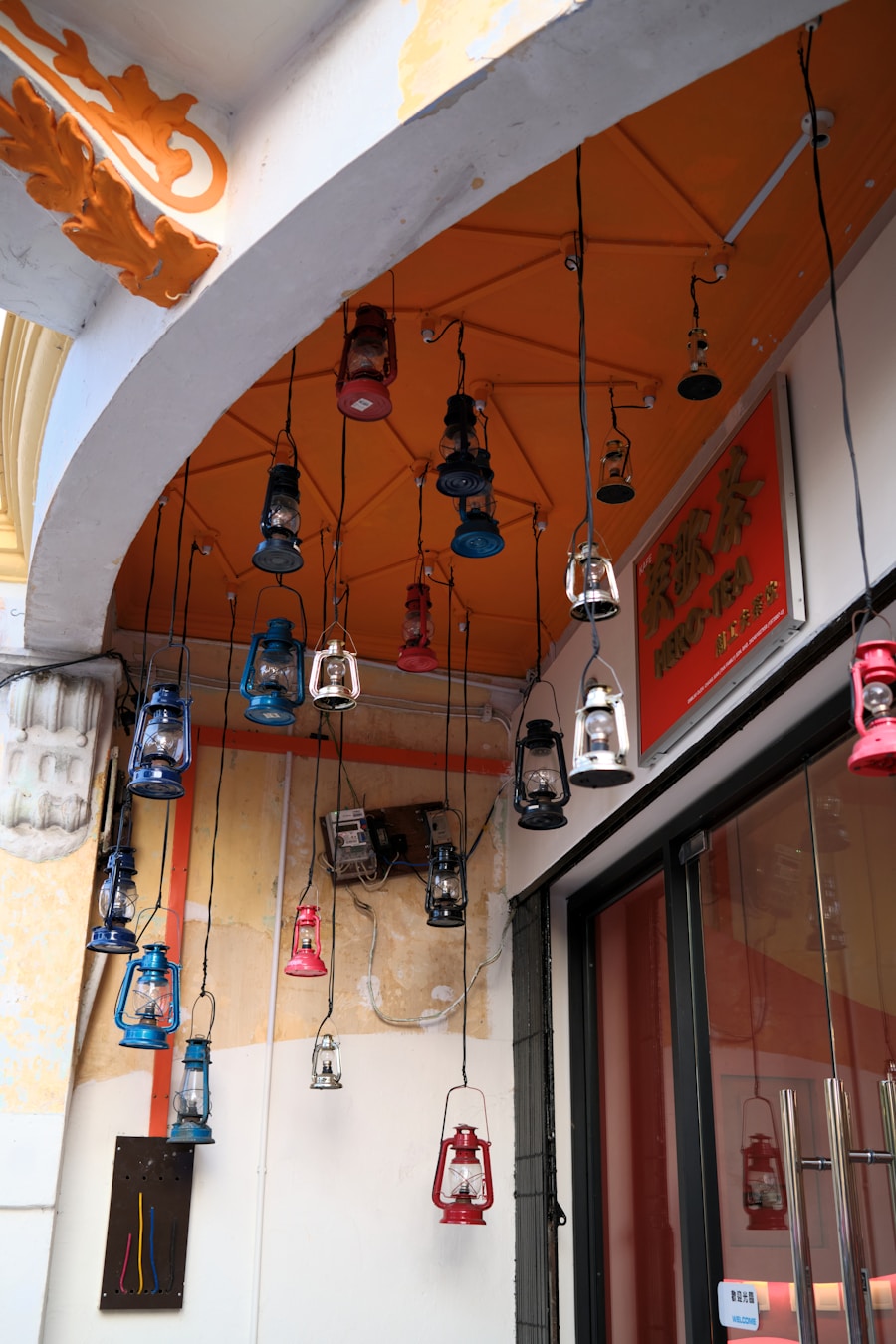



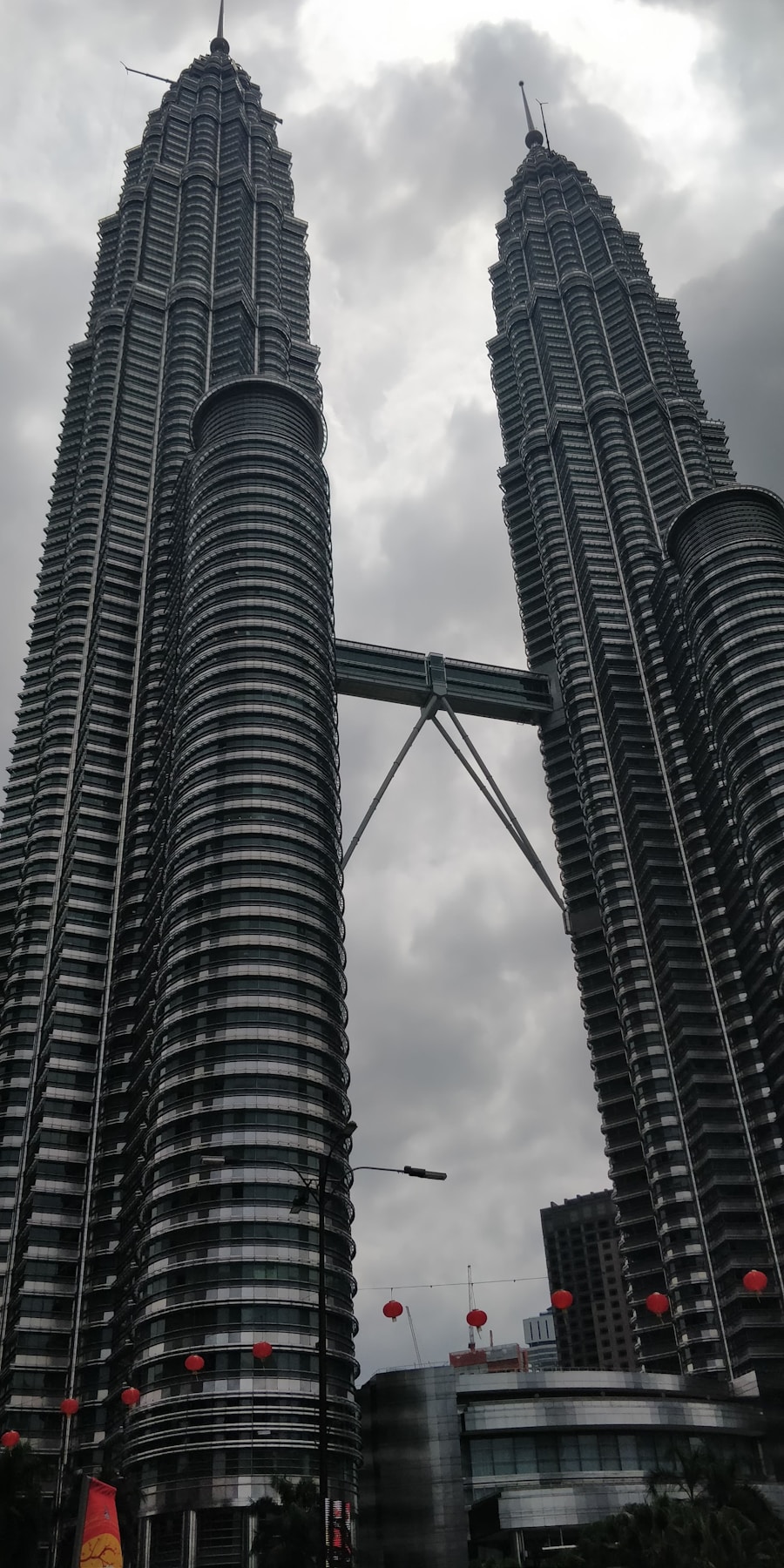
Malaysia in 2026 is the quiet over-achiever of the emigration map: a tropical, English-speaking, common-law country that lets your foreign income land tax-free, your euros stretch to roughly double, and your weekends fill with hawker food, rainforest and island ferries. The MM2H programme has been rebuilt into four cleaner tiers, the DE Rantau digital nomad pass is humming, and Budget 2026 has just extended the foreign-sourced income exemption all the way to 2036. For Europeans tired of grey skies, rising taxes and creeping bureaucracy, Kuala Lumpur and Penang feel like a soft landing into Asia. You arrive in shorts, you stay in shorts, and somehow your life works better.
What you actually get.
Six things that matter. Tap any card for the full briefing.
The full briefing
Click any section to expand.
Tax Foreign-sourced income exemption extended to 2036
Malaysia runs a territorial-flavoured tax system that is unusually friendly to international earners. Residents (182+ days a year) pay progressive rates from 0% up to a 30% top band, with a generous RM 9,000 personal relief baked in, while non-residents pay a flat 30% on Malaysian-sourced work. The headline gift for Europeans is that foreign-sourced income remitted into Malaysia by individuals remains exempt, and Budget 2026 has just extended that exemption to 31 December 2036, provided the income has already been subject to tax in its country of origin. There is no inheritance tax and no capital gains tax on shares.
In practice, a Lisbon-based consultant, a Berlin freelancer or a Dutch retiree drawing pension and dividends can route those flows through a Malaysian account and keep them off the local tax bill, as long as documentation of foreign taxation is in order. Salaries earned inside Malaysia are taxable on the progressive scale, which still tops out well below European marginal rates once social charges are added. Add an extensive treaty network, no exit taxes and a tax year that aligns with the calendar, and Malaysia becomes one of the cleanest, lowest-friction tax homes available to mobile Europeans in 2026.
Cost of living €1,200–1,800/mo in KL or Penang vs €2,500 Berlin
Berlin at €2,500 a month buys you a small flat, a U-Bahn pass and the discipline of careful weekends. The same envelope in Kuala Lumpur or Penang buys an entirely different life. A modern one-bedroom condo in Mont Kiara, Bangsar South or Penang's Tanjung Tokong, with pool, gym and 24-hour security, typically rents for €500-800. Groceries, utilities and high-speed fibre add roughly €300-400. Eating out is almost free by European standards: a hawker plate of char kway teow or nasi lemak costs €1.50-2.50, and a sit-down dinner with drinks rarely tops €15.
Put it all together and a single person lives comfortably in Kuala Lumpur on around €1,200-1,800 per month, while Penang shaves another 15-20% off the housing line. A couple can run a very pleasant life, complete with weekly cleaner, gym membership, weekend island trips and private health insurance, for under €2,500, the very budget that gets squeezed in Berlin. Domestic flights to Langkawi or Borneo cost less than a German train ticket, and ride-hailing across KL averages €2-4. The arithmetic of leaving Europe quietly does itself.
Lifestyle Three cultures, legendary food, English everywhere, fast fibre
Malaysia is the rare country where three civilisations sit at the same table. Malay, Chinese and Indian cultures live side by side, layered over British colonial bones, and the result is a daily life of mosque domes, temple bells, dim sum brunches, banana-leaf curries and Ramadan night markets. Food is the national love language: Penang is routinely ranked among the world's great food cities, and you can eat at a different stall, hawker centre or kopitiam every day for a year without repeating yourself. English is the working language of business, healthcare, and most expat-facing services, so daily life slides along without a phrasebook.
Infrastructure quietly outclasses expectations. Kuala Lumpur has a clean metro and monorail network, gleaming malls, world-class private hospitals at a fraction of European prices, and gigabit fibre into most condos. Penang offers a slower, more walkable, sea-breeze rhythm with UNESCO-listed George Town as your living room. Weekends mean Langkawi beaches, the Cameron Highlands tea estates, or a 90-minute hop to Bangkok, Singapore or Bali. The climate is steady, tropical and forgiving: shorts in January, rain on cue at four in the afternoon, and a permanent feeling that the year never quite ends.
Laws & freedom Common law roots, freehold property for foreigners, stable rights
Malaysia inherited English common law at independence, and the bones still show. Contracts, property conveyancing, company law and the appellate court structure will feel reassuringly familiar to anyone who has dealt with British, Irish or Commonwealth systems. Lawyers are trained in English, court judgments are in English, and commercial disputes are typically resolved with predictable procedure. A parallel Syariah court system exists, but it applies only to Muslims in matters of personal and family law: as a foreign non-Muslim you live entirely under the civil common-law regime, with the same property, marriage and inheritance rights you would expect at home.
Property rights for foreigners are unusually generous for Asia. You can buy freehold residential property in your own name, in most states above a minimum threshold of roughly RM 1 million (about €200,000), with Penang island at RM 1 million and the mainland at RM 500,000. State authority consent is required, but is routine for qualifying purchases, and the MM2H Silver tier sets the bar at RM 600,000. Malay Reserved Land is off-limits, but everything else, from KL condos to Penang heritage shophouses, is genuinely yours, freehold, registrable and inheritable.
Safety Asia's safest retirement pick, peaceful expat suburbs
Malaysia consistently ranks among the safest countries in Southeast Asia and was placed first in Asia in International Living's 2026 retirement safety index, behind only Portugal and Ireland globally. Violent crime is rare by world standards, gun ownership is tightly restricted, and reported assault cases have fallen more than 75% over the past decade. The usual urban caveats apply: petty theft, occasional bag-snatching from passing motorcycles in busy districts, and the standard advice to keep an eye on your phone in crowded night markets. Beyond that, walking home after dinner in most expat areas is genuinely uneventful.
Expats cluster in a handful of leafy, well-patrolled enclaves that feel almost suburban. In Kuala Lumpur, Mont Kiara is the family favourite, a hilltop cluster of international schools and high-rise condos with gated security, while Bangsar and Bangsar South attract a slightly younger, more cosmopolitan crowd around its cafes and craft-beer bars. Damansara Heights and the KLCC core round out the shortlist. In Penang, Tanjung Tokong, Tanjung Bungah and Batu Ferringhi line the north coast with quiet sea-facing condos. Across all of them, 24-hour guarding, CCTV and concierge service are standard, not premium.
Visa pathway MM2H tiers, DE Rantau nomad pass, Employment Pass for pros
The Malaysia My Second Home (MM2H) programme was rebuilt in 2024-2025 into four cleaner tiers. Silver requires a USD 150,000 fixed deposit, a RM 600,000 property purchase and a five-year renewable pass. Gold raises the bar to USD 500,000 and a RM 1 million property over 15 years, and Platinum sits at USD 1 million and a RM 2 million property for a 20-year pass. A separate Special Economic Zone tier in Forest City and similar areas drops the deposit to USD 65,000 (or USD 32,000 for over-50s). Under-50s must spend at least 90 days a year in country; over-50s have no minimum stay.
For working Europeans, the DE Rantau Nomad Pass is the smoothest entry point: an online application, an income floor of USD 24,000 for tech professionals or USD 60,000 for everyone else, and a stay of up to 12 months, renewable for another 12. Application fees are modest (about RM 1,000) and most approvals land within three weeks. Salaried professionals route through the Employment Pass via a Malaysian employer, with tiered salary thresholds from June 2026 and contracts up to five years, plus dependent passes for spouses and children. Three solid doors, one warm country.
Your 5-step plan
Use only the services you need. None of the below steps are required — pick the ones that fit your situation.
Apply for a consultation
We talk first to confirm fit on both sides before any commitment.
Scout trip (10–14 days)
Visit, walk neighborhoods, meet local lawyers and current expats.
Visa application
We connect you with vetted local immigration counsel and prep all documents.
Banking + housing
Open local accounts, secure a 12-month rental in the right neighborhood.
Move-in + integration
Healthcare, schools, drivers license, and into the expat network.
Serious about Malaysia?
Apply for a consultation. We reply within 24 hours.
Apply for a consultation