Mexico
Pick your vibe — capital, colonial, jungle or beach
Mexico has quietly become one of the warmest landings for Europeans rethinking where to plant their lives in 2026. It rewards you with two-hour mole lunches, blue skies almost everywhere, and a cost of living that lets a Berlin salary feel like a small fortune. The country is vast and varied, so you can choose a colonial highland town, a sophisticated capital neighbourhood, or a Caribbean beach without ever leaving the same residency permit. With a friendly Temporary Resident pathway, a strong tax treaty network with Europe, and expat hubs that feel both authentically Mexican and easy to settle into, it is a serious option, not just a daydream.
What you actually get.
Six things that matter. Tap any card for the full briefing.
The full briefing
Click any section to expand.
Tax Worldwide income taxed, but EU treaties shield most expats
Mexico taxes residents on worldwide income once you cross the 183-day threshold or make Mexico your centre of vital interests. The ISR uses eleven progressive brackets running from 1.92% up to a top rate of 35%, which only kicks in above roughly MXN 3.9 million (around €195,000) of annual income. For most European arrivals, the practical band sits between 10% and 30%, which often lines up favourably with what they were already paying in Germany, France or the Netherlands. Filing happens annually by 30 April, and the RFC tax ID is straightforward to obtain once your residency card is in hand.
The real shield is Mexico's deep tax treaty network. Treaties with nearly every European country prevent double taxation and let you credit tax paid in one jurisdiction against the other. Many Europeans who keep work contracts, rental income or dividends back home end up paying very little additional Mexican tax, especially if the source country has primary taxing rights. Foreign earned income can often be structured through European companies, freelance invoicing, or capital gains realised before residency. With competent advice, expats routinely build a setup where Mexico becomes home, life is cheap, and the tax bill stays gentle.
Cost of living From €800/mo in Mérida, €1,500 in CDMX, vs €2,500+ Berlin
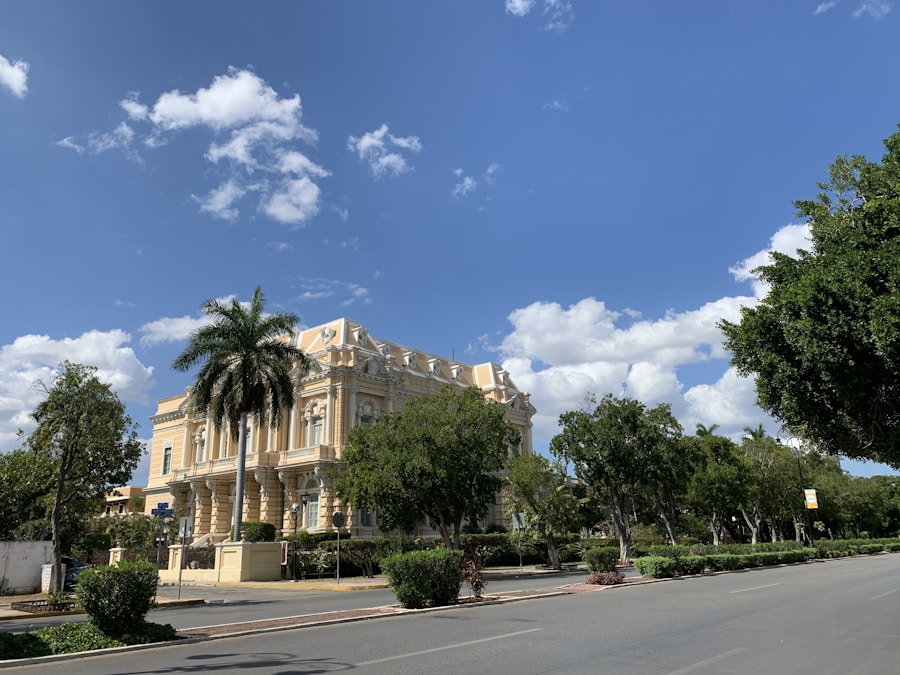
Cost of living in Mexico is wildly elastic, and that is part of the magic. In Mérida, the colonial capital of Yucatán, a single person lives beautifully on around €800 to €1,200 per month, including a colourful one-bedroom in a walkable barrio, eating out several times a week, and a gym membership. Oaxaca City sits in similar territory, perhaps €1,000 to €1,500 for someone who wants mezcal nights and a coworking desk. Compared with Berlin's roughly €2,500 a month for a comparable lifestyle, this is the kind of arithmetic that quietly changes the shape of a decade.
Mexico City's Roma and Condesa neighbourhoods cost more, around €1,500 to €2,200 for a single expat, because you are paying for tree-lined streets, world-class restaurants, and metro-accessible everything. Playa del Carmen and Tulum have crept up to €1,800 to €2,200, since beach demand and digital-nomad inflation have done their work. San Miguel de Allende lands around €1,700 to €2,500 depending on whether you want cobblestone-view living. Across all these cities, healthcare, domestic help, fresh produce, and dining out stay dramatically cheaper than anywhere in Western Europe, which gives daily life a quiet sense of abundance.
Lifestyle Mexico City, Mérida, Oaxaca, Playa — climate and culture to taste
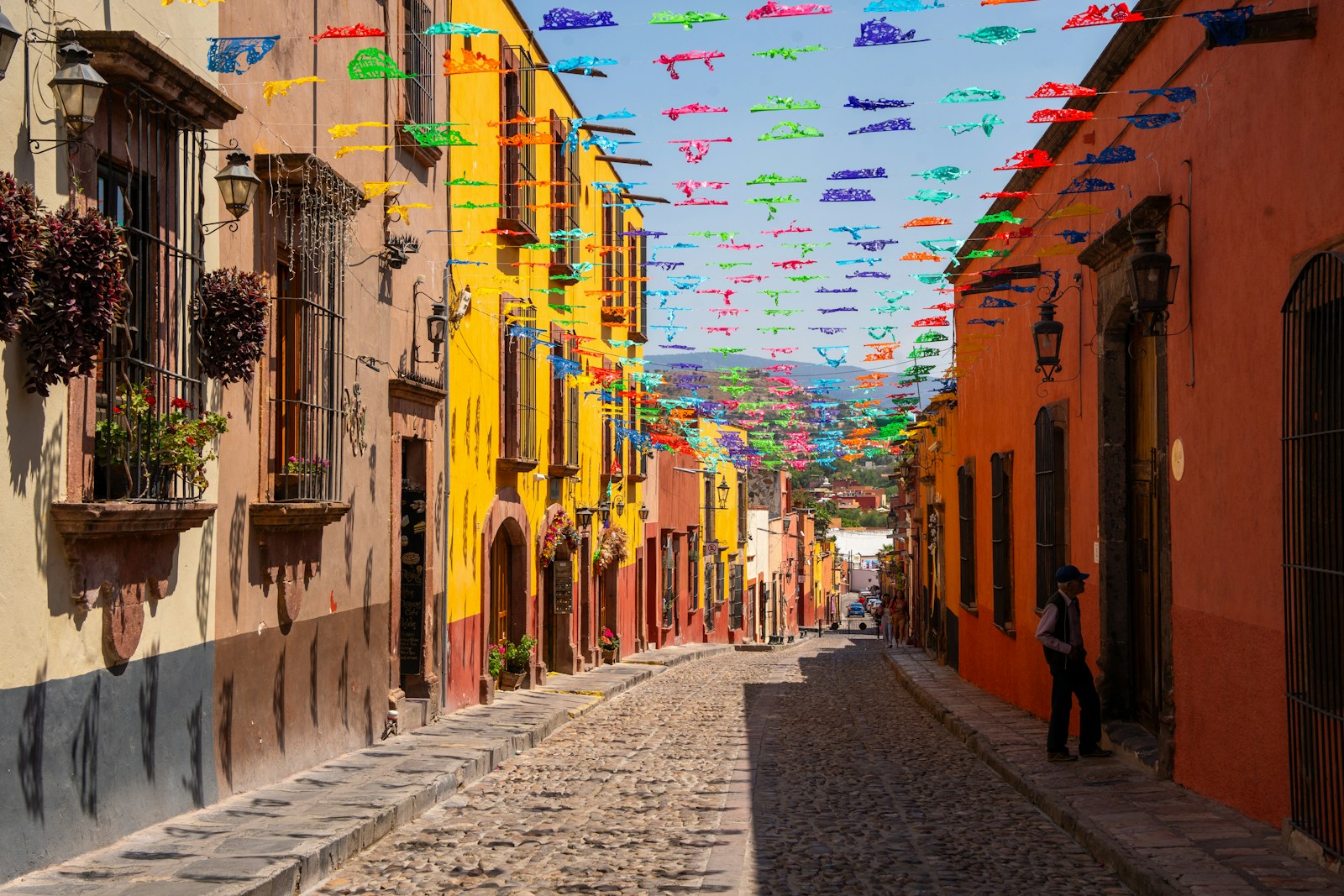
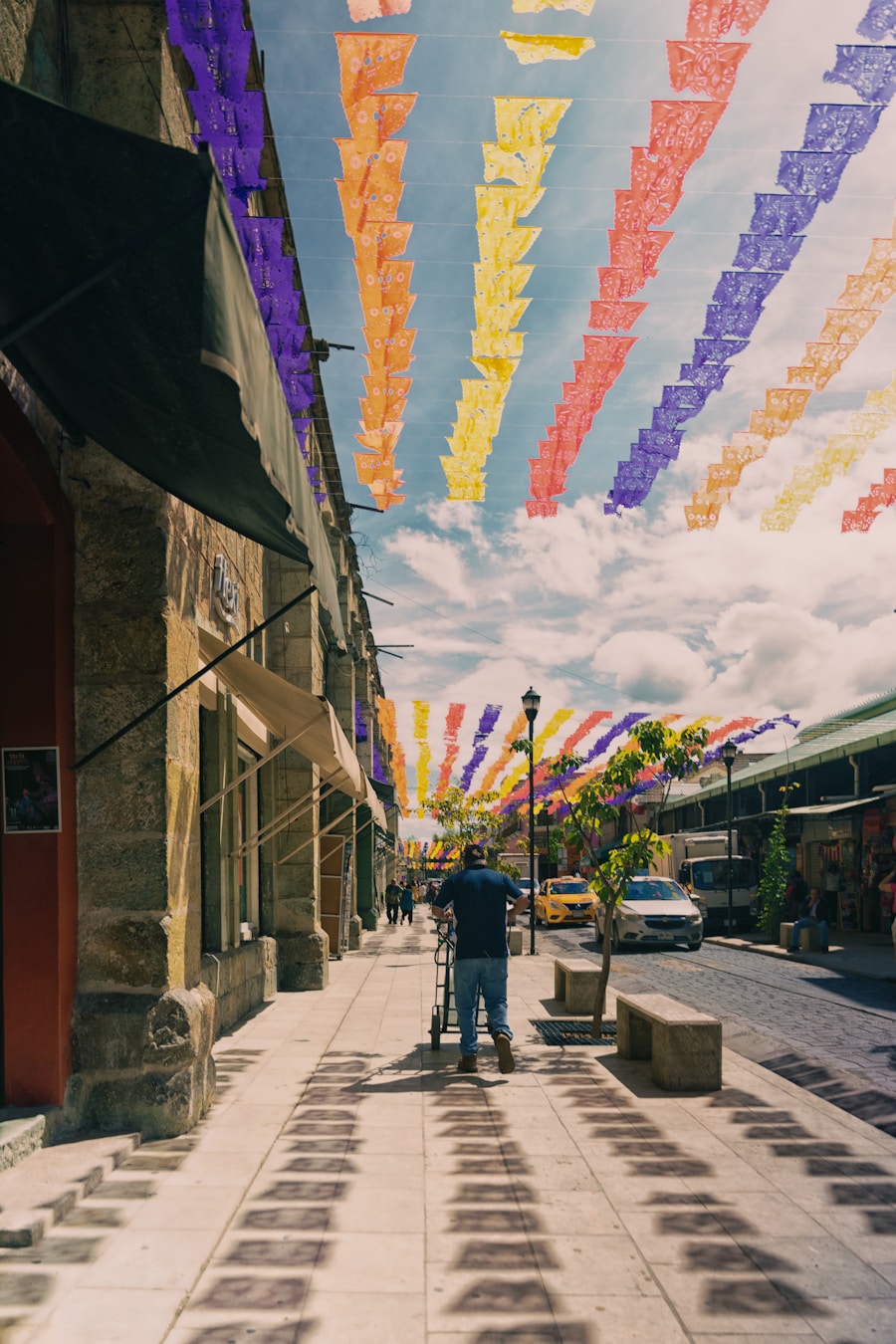
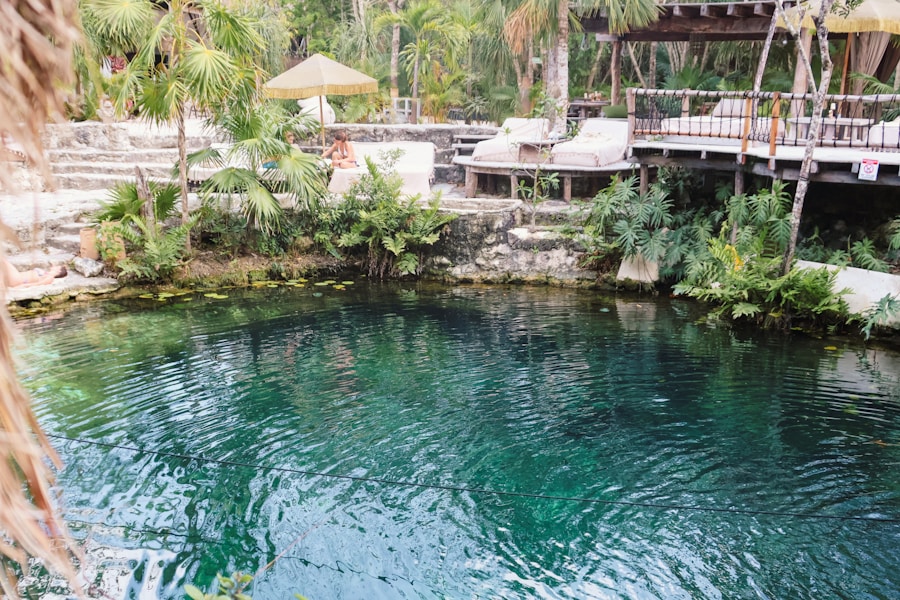
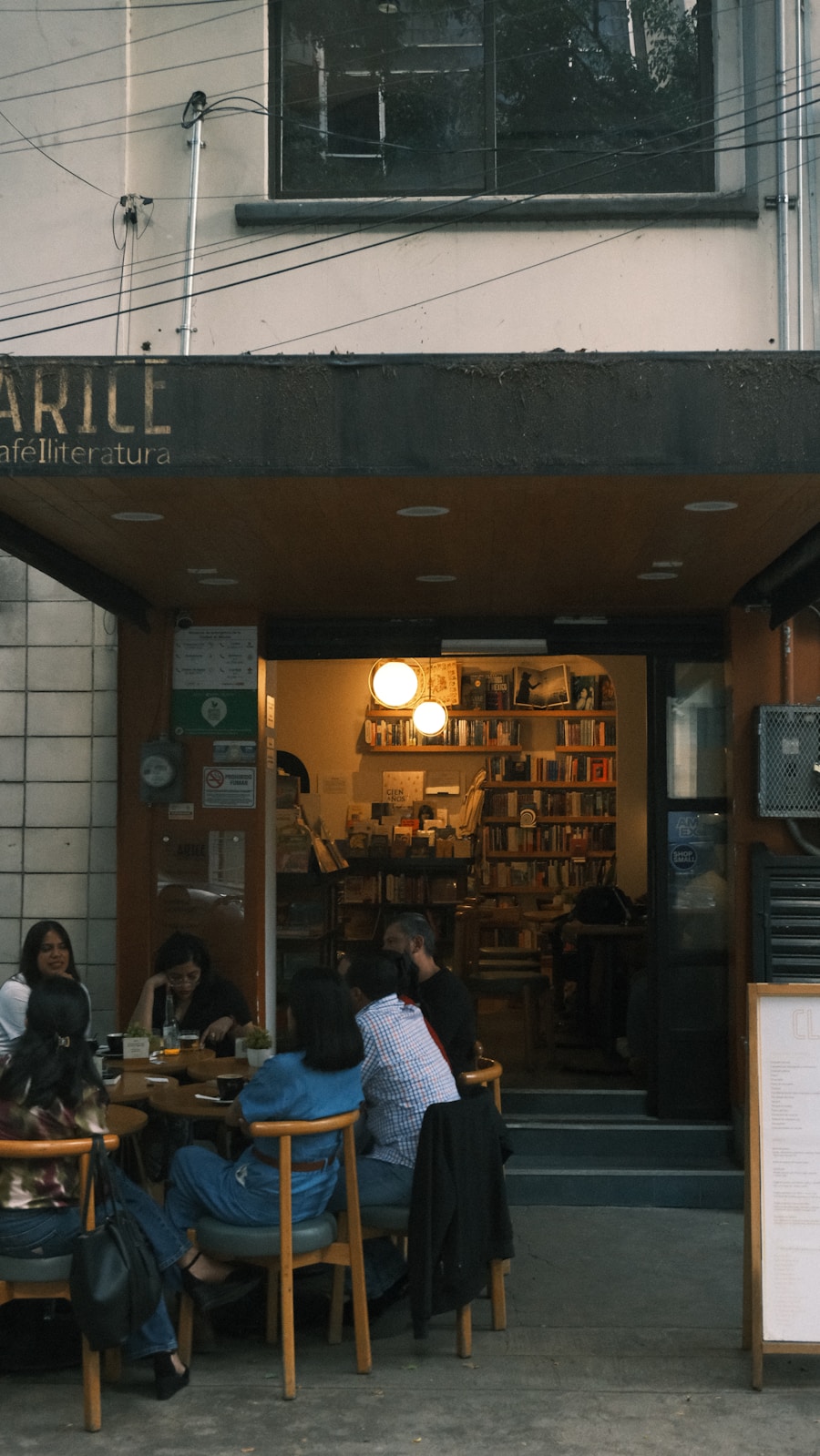
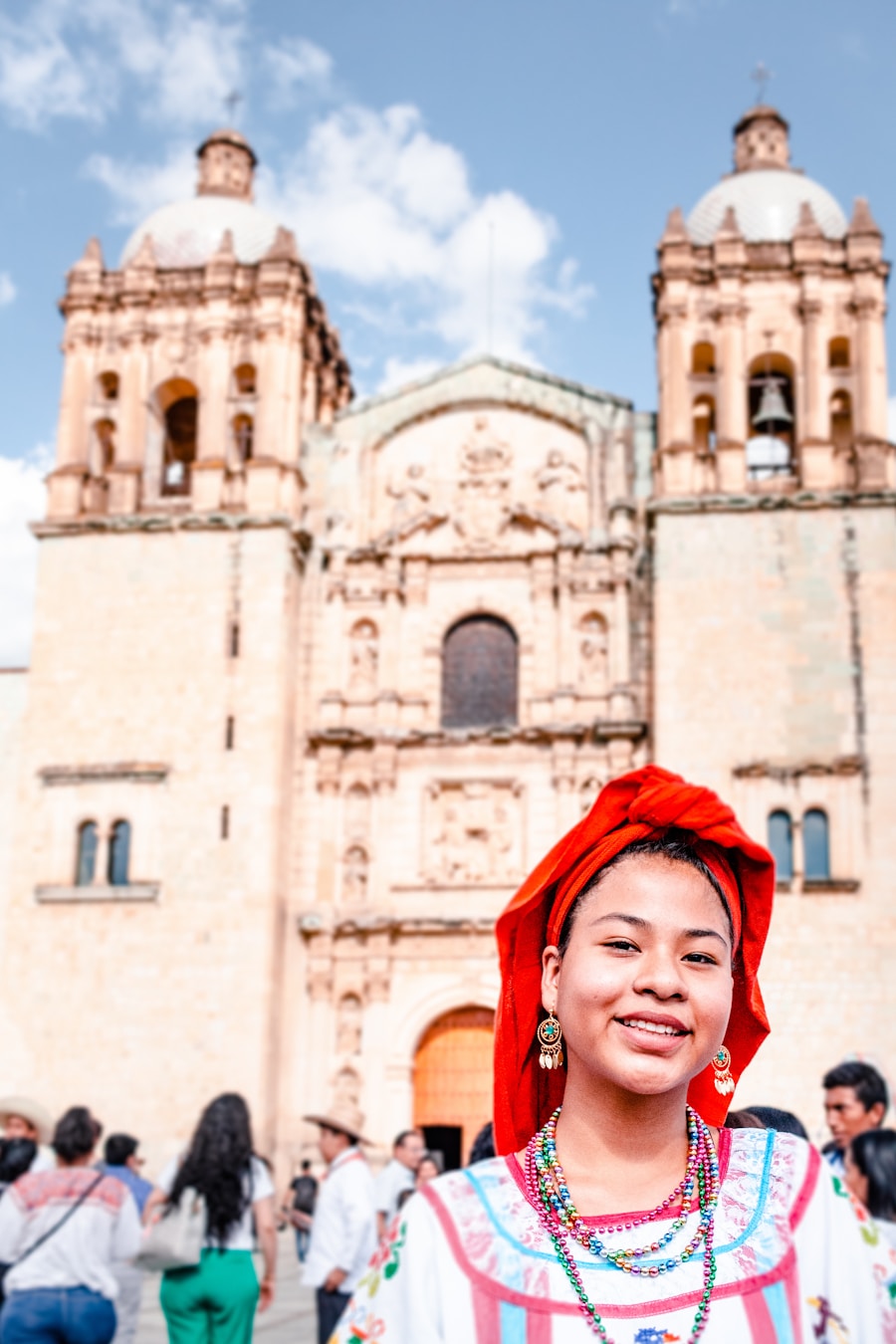
Mexico lets you genuinely pick your vibe. Want espresso and gallery openings on a Tuesday night? Roma Norte and Condesa in CDMX deliver a cosmopolitan rhythm Europeans recognise instantly, with bookshops, jazz bars, and farmers' markets layered into Art Deco streetscapes. Crave colonial calm? San Miguel de Allende offers pink-stone churches, rooftop terraces and an artistic community that has been welcoming foreigners for seventy years. Prefer the Caribbean? Playa del Carmen and the Riviera Maya give you turquoise water, cenotes and beach-side coworking. Mérida hands you a slower, gentler tropical city, and Oaxaca rewards food obsessives with seven moles and mezcal villages within an hour.
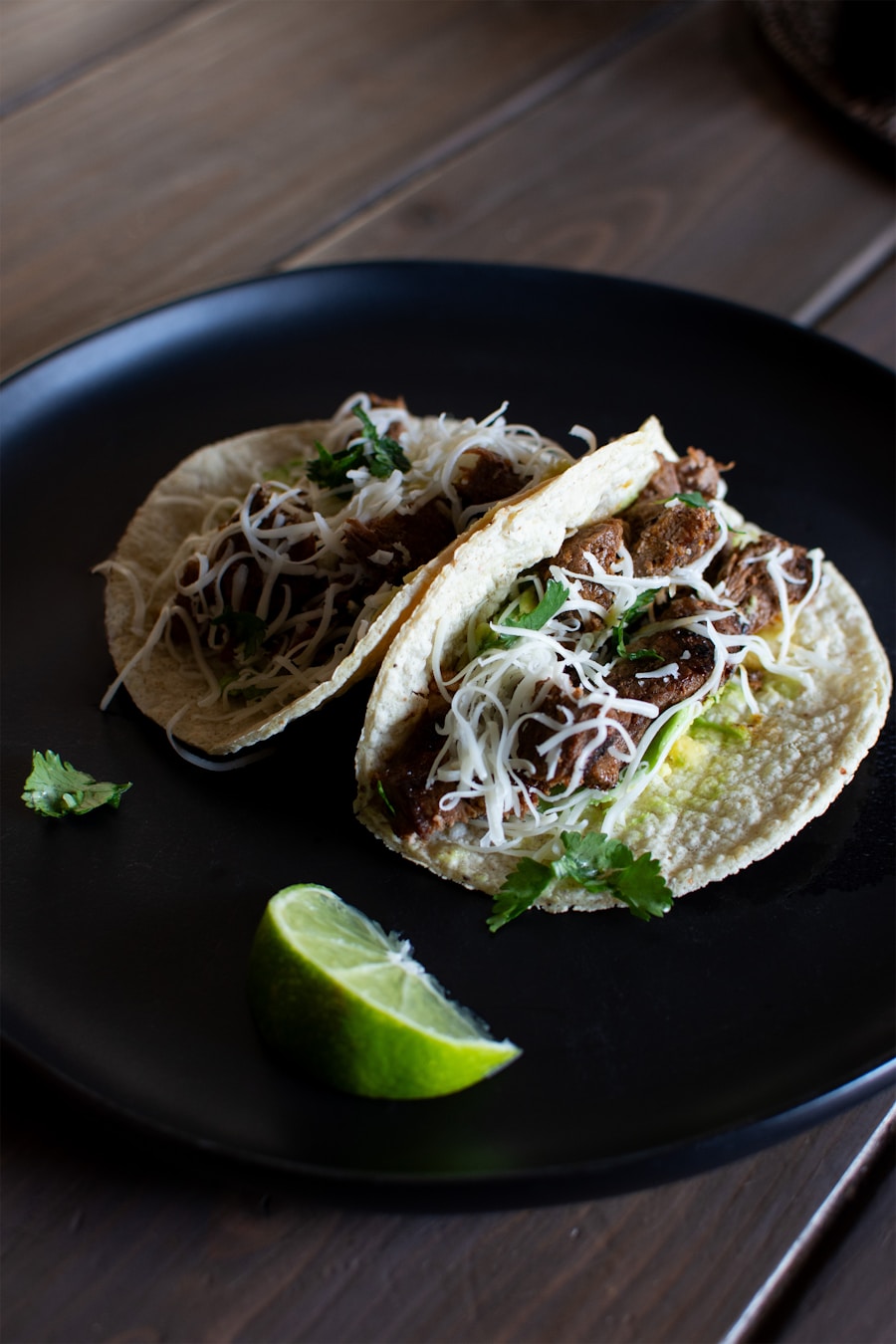
The climate is its own argument. Mexico's altitude range means you can choose eternal spring in the central highlands, dry desert in Baja, or warm jungle on the coast, all within the same country. Food culture is one of the most layered on earth, and even tiny towns have markets stacked with tropical fruit, fresh tortillas, and family-run kitchens serving lunches for a few euros. Expat communities are large and welcoming, with Spanish classes, hiking groups, and weekly potlucks easy to find, while Mexican social warmth, family-first values, and a real culture of celebration make integration feel less like effort and more like joining a long, ongoing party.
Laws & freedom Permissive culture, light enforcement, fideicomiso for coastal property
Mexico runs on a permissive, live-and-let-live culture that Europeans usually find liberating. Day-to-day enforcement friction is low: you are unlikely to be hassled over minor administrative things, neighbourhoods self-regulate, and personal freedoms in private life are broadly respected. Cannabis use has been steadily decriminalised through court rulings, same-sex marriage is legal nationwide, and abortion rights have expanded across most states. Bureaucracy exists, especially when you set up residency or buy property, but a good gestor or lawyer smooths almost everything, and the cost of professional help is a fraction of European rates.
Property rights for foreigners are stronger than many newcomers expect. Outside the restricted zone, Europeans can buy land directly in their own name with full title. Within 50 kilometres of the coast or 100 kilometres of the border, you use a fideicomiso, a bank trust that gives you every practical right of ownership for renewable 50-year terms, including the ability to sell, rent, remodel and bequeath. Setup is straightforward, costs run a few hundred euros annually, and the legal framework has been stable for decades. Coastal homes from Tulum to Sayulita are entirely accessible to European buyers.
Safety Mérida, San Miguel rival European safety; just skip cartel states
Safety in Mexico is the most misunderstood part of the picture, because the country is huge and conditions vary dramatically by state. The expat-favourite zones are genuinely safe. Yucatán, home to Mérida, consistently rates among the safest states in all of North America, with violent crime rates lower than many European capitals. San Miguel de Allende, central Mexico City, Oaxaca City, Querétaro, and Puerto Vallarta all operate with the easy daily safety Europeans expect, where you walk home at night, take taxis without worry, and let your kids ride bikes in the plaza.
The states to avoid are well documented: Sinaloa, Tamaulipas, Michoacán, Guerrero, Colima and Zacatecas carry serious cartel-related risks and almost no expats settle there. Most Europeans never set foot in those regions, just as they might skip certain neighbourhoods of any large city. Choose your base wisely, stay aware in unfamiliar areas, and Mexico becomes one of the more relaxed places to live in the Americas. Healthcare is excellent and affordable in the expat hubs, private hospitals are world-class, and emergency response in upscale neighbourhoods is reliable enough that residents quickly stop thinking about it.
Visa pathway Temporary Resident via ~€3k/mo income, leading to permanence
The Temporary Resident visa is the doorway most Europeans walk through, and it is refreshingly attainable. You apply at a Mexican consulate in Europe, and as of 2026 the financial threshold sits at roughly €3,000 per month of net income across the previous six months, or alternatively investments and savings of around €50,000 to €70,000 held for the past twelve months. Mexico's shift to UMA-based calculations in 2026 has kept the bar stable rather than raised it. Approval typically takes a few weeks, and once you arrive you finalise the residency card with the INM, granting one year initially and renewable for up to four years total.
After four years as a temporary resident, you transition to Permanent Resident status, which removes any need to renew and grants you indefinite right to live and work in Mexico. Naturalisation as a Mexican citizen becomes available after five years of legal residency in most cases, or two years if you have a Mexican spouse or child. Mexico permits dual citizenship, so you keep your European passport. The Mexican passport itself is increasingly powerful, with visa-free access to most of Europe, Latin America, Japan and beyond, giving you a strong, flexible second base for the long term.
Your 5-step plan
Use only the services you need. None of the below steps are required — pick the ones that fit your situation.
Apply for a consultation
We talk first to confirm fit on both sides before any commitment.
Scout trip (10–14 days)
Visit, walk neighborhoods, meet local lawyers and current expats.
Visa application
We connect you with vetted local immigration counsel and prep all documents.
Banking + housing
Open local accounts, secure a 12-month rental in the right neighborhood.
Move-in + integration
Healthcare, schools, drivers license, and into the expat network.