Panama
USD economy, territorial tax, gateway location
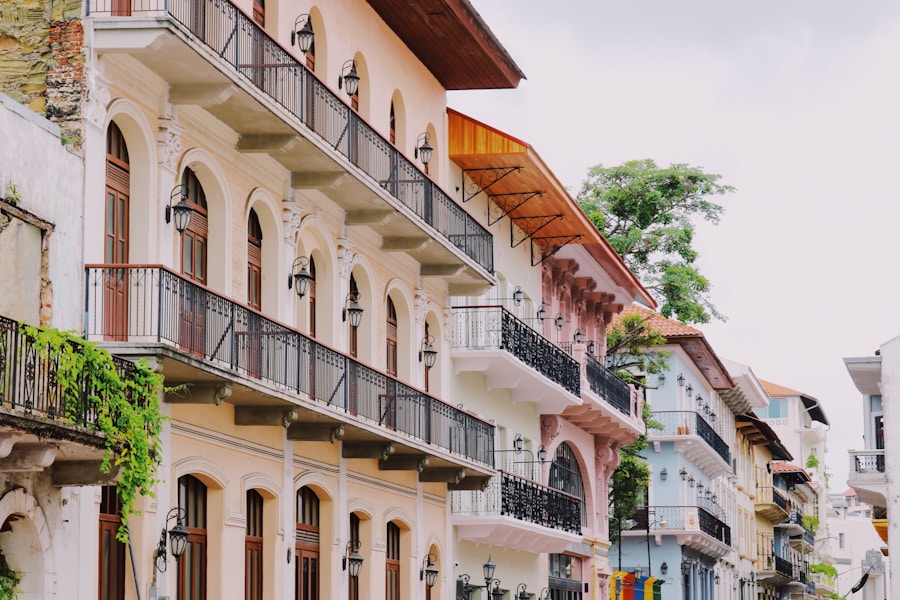
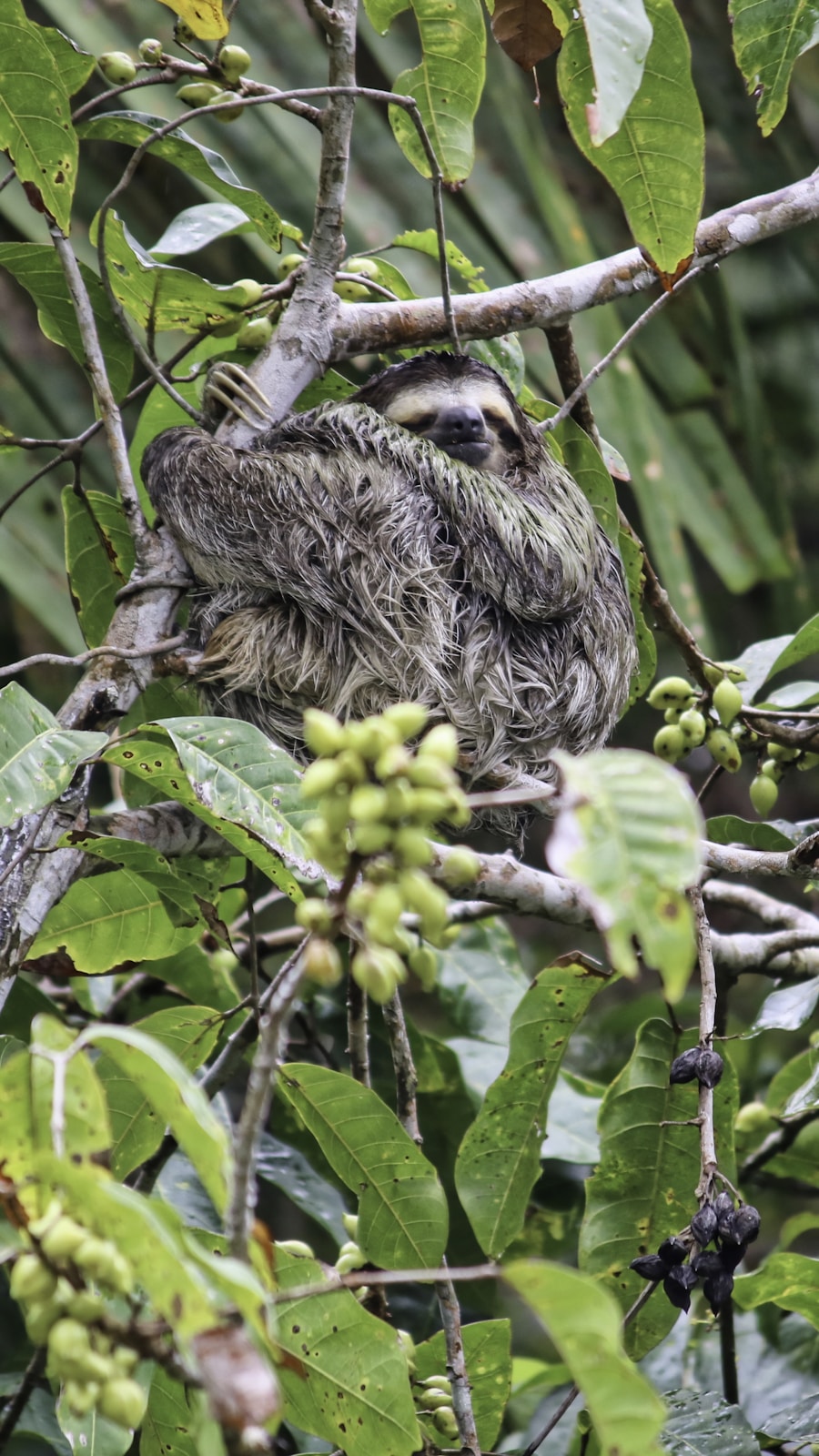
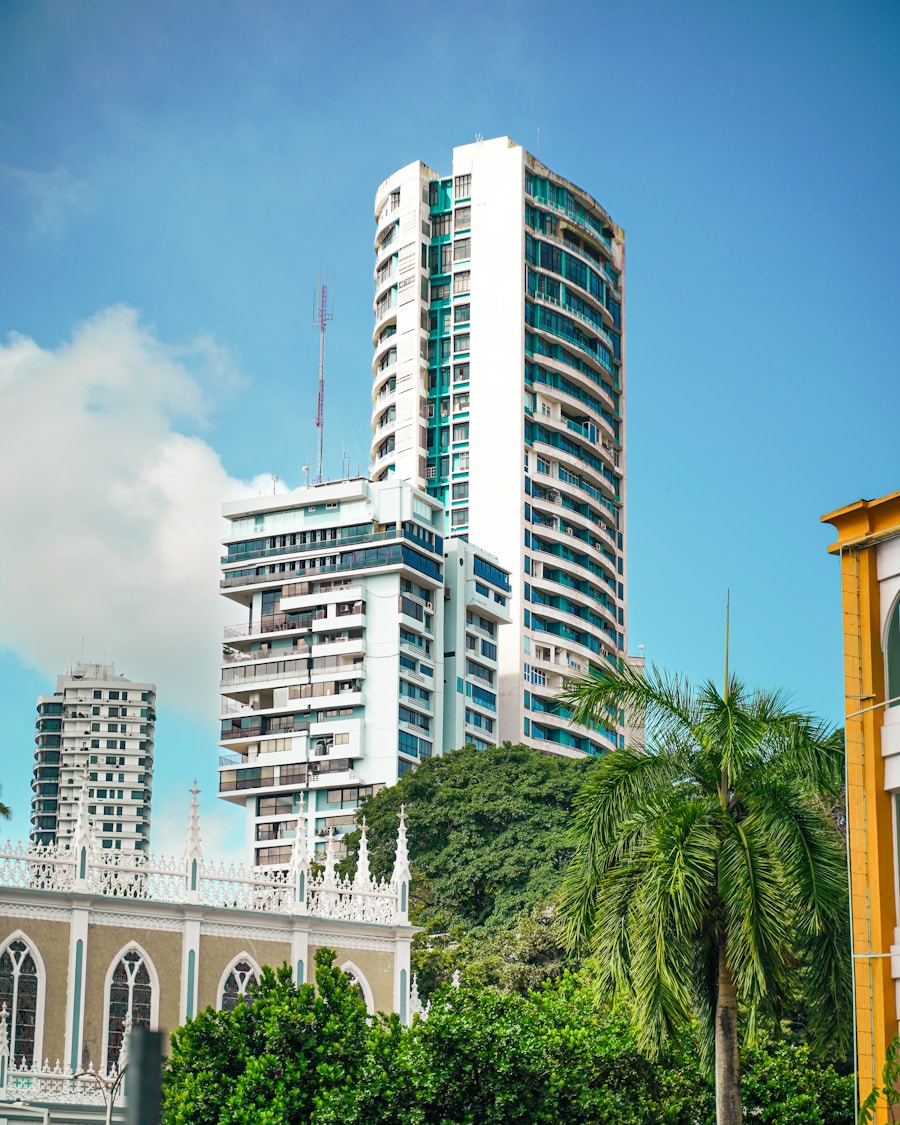
Panama is the great open door of the Americas, a slender isthmus where two oceans meet and where Europeans can quietly rewrite the rules of their financial and personal lives. With its territorial tax system, US-dollar economy and a Friendly Nations Visa designed expressly for citizens of EU countries, the country welcomes newcomers with paperwork that actually moves. Add year-round warmth, gleaming skylines, cloud-forest highlands and Caribbean coves, and you have a destination that feels less like an escape and more like an upgrade. For many leaving Europe in 2026, Panama is the softest landing on the map.
What you actually get.
Six things that matter. Tap any card for the full briefing.
The full briefing
Click any section to expand.
Tax Territorial — 0% on all foreign-source income, pensions, gains
Panama runs one of the most generous territorial tax systems on earth. Income earned outside the country, whether it is a French pension, German dividend portfolio, Dutch rental property or a remote consulting contract paid into a Singapore account, is simply not taxed in Panama. There is no wealth tax, no inheritance tax on foreign assets, and no tax on capital gains realised abroad. For Europeans accustomed to combined burdens above 45%, the contrast is almost surreal: you become a resident, you keep your overseas income whole, and Panama only looks at money actually earned on Panamanian soil.
Local-source income follows a refreshingly flat structure. The first USD 11,000 of Panamanian earnings is fully exempt, the next bracket up to USD 50,000 is taxed at 15%, and anything above that at 25%. Property taxes on a primary residence are minimal, with generous exemptions for owner-occupied homes, and dividends from Panama-source companies face only a modest withholding. Whether you live entirely off foreign income or build a small local business on the side, the math stays kind. For Europeans, this is not a loophole but the published, settled law of the land.
Cost of living €2,300/mo Panama City, under €1,500/mo in Boquete
A single person can live very comfortably in Panama City on roughly USD 2,500 a month, or about EUR 2,300 at current rates, which is the same headline figure Berliners now budget for a modest two-room flat plus essentials. The difference is what that money buys. In San Francisco, a polished mid-rise neighbourhood full of cafes, parks and supermarkets, a secure two-bedroom apartment runs around USD 1,400. In Costa del Este, the gleaming, master-planned waterfront favoured by professionals and families, sleek two-bedrooms sit between USD 2,200 and USD 3,000, often with pools, gyms and 24-hour security included.
Step outside the capital and the budget loosens dramatically. Boquete, the flower-filled mountain town in the western Chiriqui highlands, lets expats live well on USD 1,200 to USD 2,000 a month, with one-bedroom houses from USD 700 and electricity bills as low as USD 25 because the spring-like climate erases air conditioning. Groceries are inexpensive when you shop the local mercados, a hearty lunch costs USD 5, and a doctor's visit is around USD 40. A European couple swapping a Berlin two-room rental for a Boquete cottage with a garden often halves their fixed costs overnight.
Lifestyle Beaches, mountains, skyline in hours. USD economy, year-round warm
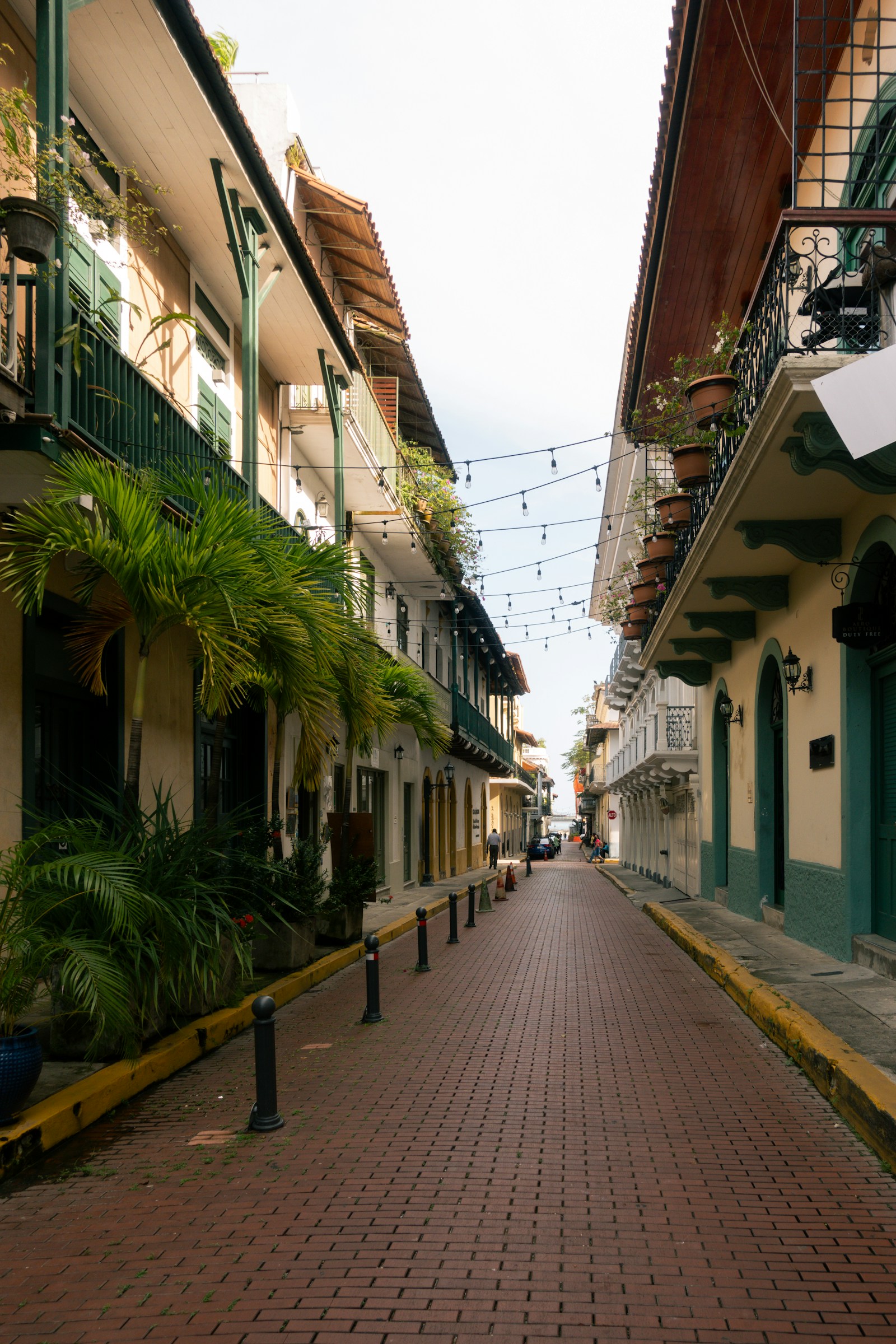
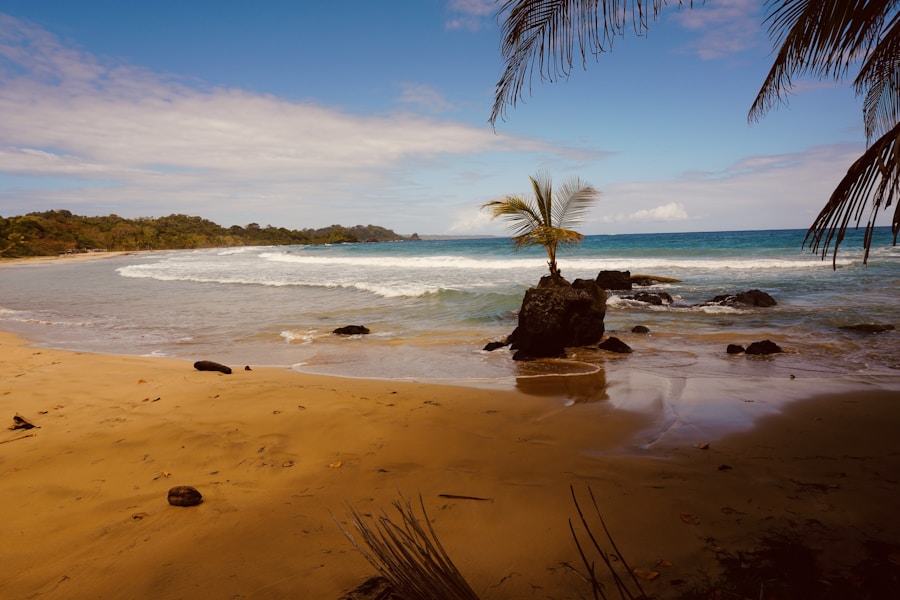
Few countries pack so much variety into so small a footprint. In a single weekend you can sip espresso on a Casco Viejo rooftop, drive ninety minutes to surf at Playa Venao or swim the Pacific at Coronado, then cross the isthmus and snorkel turquoise Caribbean water in Bocas del Toro. Panama City itself is genuinely cosmopolitan: a forest of glass towers, Michelin-aspirant restaurants, a metro, world-class hospitals and a Spanish-English bilingual hum. The climate is steady and tropical, the rainy season green and dramatic, the dry season golden, and the temperature rarely strays far from a generous warm.
The expat scene is one of the deepest in the Americas, with established European, North American and South American communities woven into Panama City, Boquete, Coronado and Pedasi. The US dollar is the daily currency, so prices are transparent, savings hold their value and ATMs feel familiar from day one. English is widely spoken in business, medicine and the better restaurants, while learning Spanish unlocks a warmer, more local life. The local culture rewards openness, and newcomers find their feet quickly through hiking clubs, sailing groups, language exchanges and the country's lively cafe scene.
Laws & freedom Banking privacy, easy company law, 100% foreign property ownership
Panama's legal tradition is a hybrid: a civil-law foundation softened by decades of common-law influence imported through its banking, shipping and corporate sectors. The result is a regime that international entrepreneurs find unusually readable. Forming a Panamanian corporation or private interest foundation takes days, not months, and there is no requirement to be resident to own one. Banking confidentiality remains robust, governed by strict secrecy statutes that prevent disclosure without a court order, even as Panama has modernised its transparency framework to stay in good standing with global regulators in 2026.
Property rights for foreigners are among the strongest in Latin America. Europeans can hold titled houses, condominiums and land lots 100% in their own name, with no local partner required and no special permits. The land registry is digitised, title insurance is available, and annual property taxes on primary residences are modest or, for many newer homes, exempt for years. Add a business climate that welcomes small entrepreneurs through simple licensing, plus free trade zones that have anchored Panama as a logistics hub for a century, and the legal landscape feels like an invitation rather than an obstacle.
Safety Safest capital tier in LatAm; expat zones rival US suburbs
Panama is consistently ranked among the safest countries in Latin America, with violent crime rates a fraction of those in better-known regional capitals. Panama City in 2026 feels closer to Lisbon than to many imagined Latin American metropolises: a working metro, well-lit avenues, visible police, and broad neighbourhoods where evening walks are unremarkable. Punta Pacifica and Costa del Este post crime numbers comparable to affluent suburbs of Madrid or Munich, El Cangrejo is walkable and easy at night, and Casco Viejo, the UNESCO-listed colonial heart, is patrolled by a dedicated tourist police force.
Safety in Panama is hyper-local, which is actually reassuring once you understand the map. A handful of historically rough barrios such as El Chorrillo, Curundu and pockets of San Miguelito are simply not on the typical expat path, while the highlands and beach towns where most Europeans settle, places like Boquete, Pedasi, Coronado and Bocas, are famously easygoing. Petty theft exists, as it does anywhere, but kidnapping, carjacking and gun violence are rare events that almost never touch the foreign community. For Europeans worried about the security trajectory back home, the calm here can be a quiet revelation.
Visa pathway Friendly Nations Visa for EU citizens — residency in 4–6 months
The Friendly Nations Visa is Panama's signature welcome to Europeans, and in 2026 it remains open to citizens of every EU member state. Applicants choose one of three routes to demonstrate ties: a USD 200,000 real estate purchase, a USD 200,000 three-year fixed deposit in a Panamanian bank, or a qualifying local employment contract. With a clean criminal record, an apostilled police certificate and a Panamanian address, the file is filed by a local attorney and approved in roughly four to six months. The visa grants two years of temporary residency that converts to permanence, then to citizenship after five years.
If you are over 18 with a lifetime pension of at least USD 1,000 a month from a foreign government, employer or private fund, the Pensionado Visa offers permanent residency almost immediately and unlocks a famous list of local discounts, from 25% off airfares to 50% off cinemas and entertainment. For higher-net-worth Europeans, the Qualified Investor Visa, sometimes called the Panama Golden Visa, grants permanent residency in about thirty days through a USD 300,000 real estate investment, a USD 500,000 securities portfolio or a USD 750,000 bank deposit. Three doors, one warm country, no European exit tax on the way in.
Your 5-step plan
Use only the services you need. None of the below steps are required — pick the ones that fit your situation.
Apply for a consultation
We talk first to confirm fit on both sides before any commitment.
Scout trip (10–14 days)
Visit, walk neighborhoods, meet local lawyers and current expats.
Visa application
We connect you with vetted local immigration counsel and prep all documents.
Banking + housing
Open local accounts, secure a 12-month rental in the right neighborhood.
Move-in + integration
Healthcare, schools, drivers license, and into the expat network.