Peru
Ancient depth, modern affordability

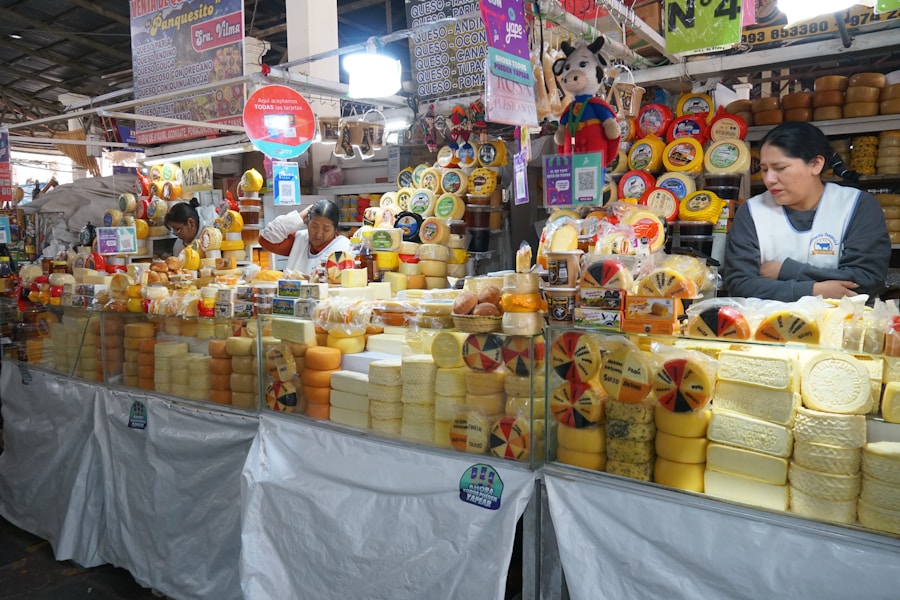
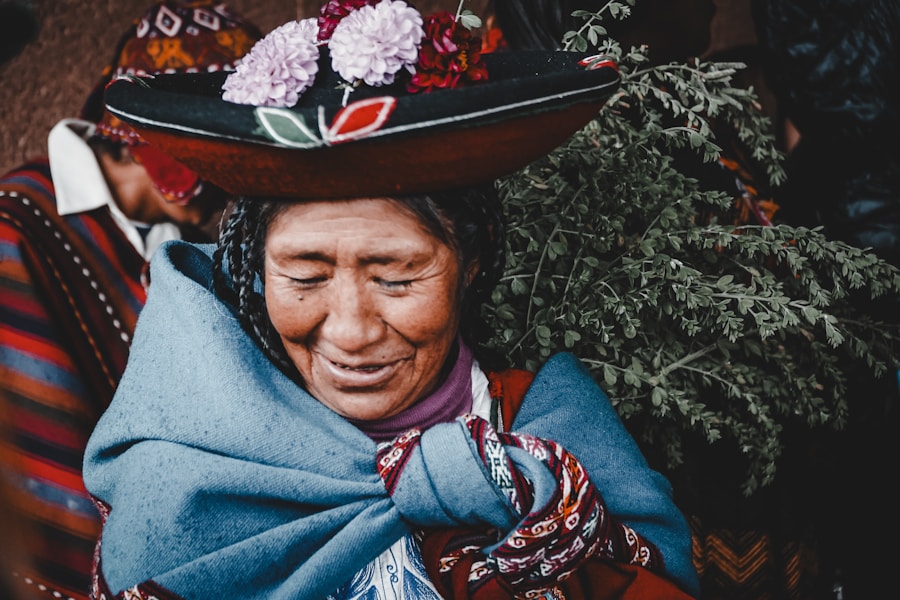
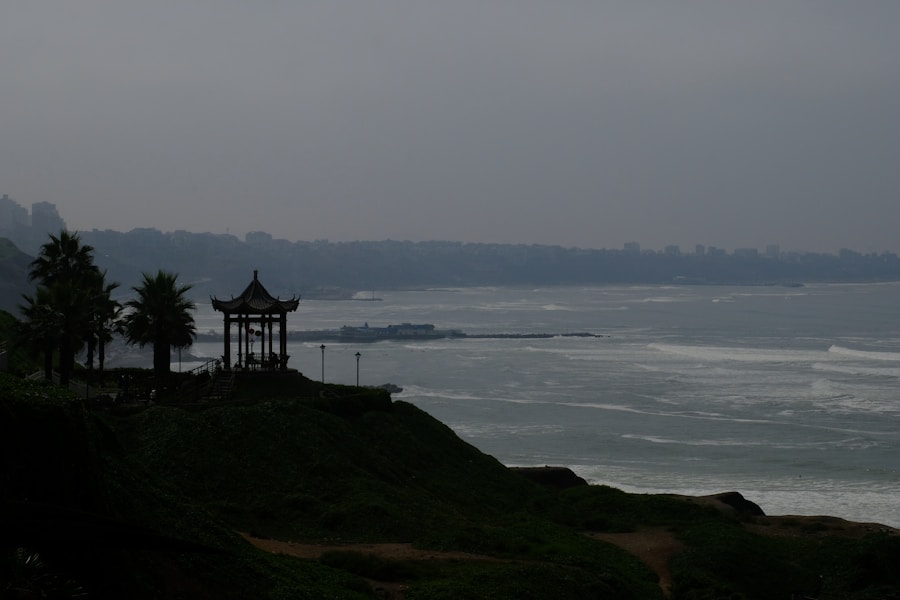
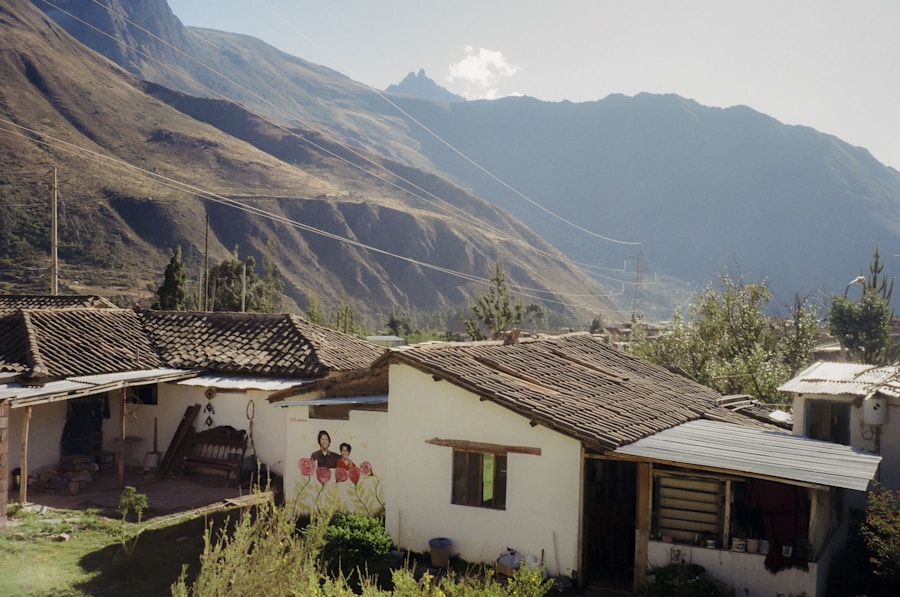

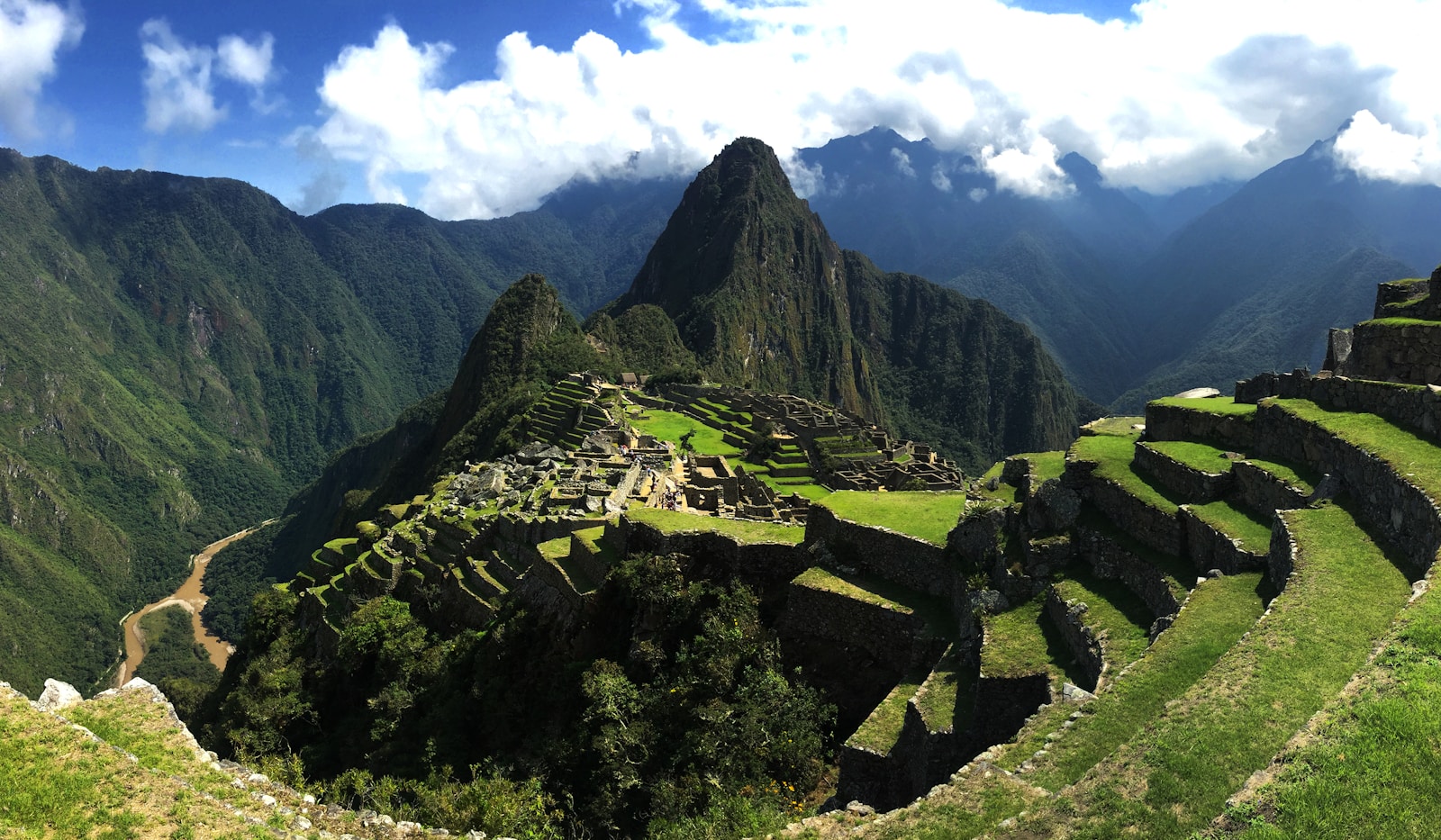
Peru is the South American escape that rewards the curious: a coastline of Pacific surf and ceviche shacks, an Andean spine crowned by Cusco and Machu Picchu, and an Amazon basin that swallows two thirds of the country. For Europeans tired of grey skies, grinding taxes and a continent that feels closed for business, Lima offers a sunlit, café-laptop life at a fraction of Berlin or Barcelona prices. Add a generous rentista visa, the world's most exciting food scene and a five-year reprieve on foreign income, and Peru starts to look less like an adventure and more like a plan.
What you actually get.
Six things that matter. Tap any card for the full briefing.
The full briefing
Click any section to expand.
Tax 5-year exemption on foreign income for new residents; 8–30% after
Peru's tax system is unusually kind to arrivals. You only become a tax-domiciled resident from January 1 after you exceed 183 days in country, and even then the law taxes only Peruvian-source income for non-domiciled holders. Once domiciled, employment and pension income runs through gentle progressive brackets of 8%, 14%, 17%, 20% and 30%, applied to a tax unit (UIT) of 5,500 soles for 2026. The first seven UIT are exempt outright, and three more can be deducted against rent, professional services, hotels and restaurants — deductions Europe simply does not offer.
Capital gains on foreign securities and qualifying foreign passive income enjoy favourable treatment for new residents, with planning windows that good Lima tax counsel will map out before you cross the 183-day line. There are no exchange controls, the sol is freely convertible, and Peru has tax treaties with Spain, Switzerland, Portugal and most of the EU to prevent double taxation. For a European used to 45% marginal rates, social charges on top and wealth taxes lurking, Peru's flat-feeling, low-friction regime can mean tens of thousands of euros recovered each year — money that funds the apartment in Barranco rather than the bureaucracy back home.
Cost of living Live well in Miraflores or Arequipa for €1,200–1,800/mo
A €2,500 Berlin month buys you a cramped flat, transit pass and modest dinners. The same money in Lima's Miraflores or Barranco buys a sunny ocean-view one-bedroom, a daily flat white at a third-wave café, ceviche lunches with friends and a gym membership — with change left over. Furnished one-bedrooms in Miraflores average around $850, Barranco runs 10–20% cheaper, and a comfortable single-person budget covering rent, food, healthcare and internet sits at $1,300–1,600 (roughly €1,200–1,500). A couple in a modern flat with utilities and regular outings lands near $1,950.
Arequipa, the "White City" 2,300 metres up under three volcanoes, is cheaper still. A solid apartment in Yanahuara or Cayma rents for 1,800–3,000 soles (€450–750), and a relaxed expat lifestyle with private health buffer fits inside $1,340–1,780 a month. Groceries, taxis and a Pisco Sour by the Plaza de Armas cost a quarter of European equivalents. Property is freely purchasable by foreigners at $1,700–2,400 per square metre in Lima's premium districts — so a €250,000 sale of a Munich studio buys an entire ocean-view apartment outright with capital to spare.
Lifestyle World-ranked food, Pacific surf, Andes and Amazon in one country
Peru is, quite simply, where the world eats now. Central and Maido sit on the World's 50 Best list year after year, but the joy is downstream: a $6 ceviche at La Mar where lime cures sea bass while you watch, a steaming plate of lomo saltado at a corner bodegón, anticuchos sizzling on Barranco street grills, and chifa fusion that turns Chinese-Peruvian leftovers into genius. Coffee culture in Miraflores rivals Lisbon, with specialty roasters, fast fibre and laptop-friendly cafés where remote workers nurse cortados from morning fog to Pacific sunset.
Step outside the city and the geography is absurd in the best way. The coast offers point breaks at Punta Hermosa and empty desert beaches north of Lima. A short flight lifts you to Cusco, the Sacred Valley and Machu Picchu, or to Arequipa's colonial sandstone under snow-capped Misti. The Amazon begins in Iquitos and Puerto Maldonado, jaguar territory only a domestic flight away. Lima itself sits at a permanent 18–26°C — no snow, no heatwaves, just garúa mist in winter and clear blue summers from December through April.
Laws & freedom Equal property rights for foreigners, no exchange controls
Be honest about the politics: Peru cycles through presidents like other countries change cabinets. Dina Boluarte was removed by Congress in October 2025, interim president José Jerí is steering toward general elections in April 2026, and protests remain a feature of national life. The good news for foreign residents is that the churn happens above your daily life. Institutions, courts, property registries and the central bank have continued functioning through a decade of turbulence, the sol is one of Latin America's most stable currencies, and inflation runs near 2% — below most of Europe.
Property and personal freedoms are unusually expat-friendly. Foreigners enjoy near-identical ownership rights to Peruvians under the constitution, can buy residential, commercial or rural land in their own name without residency, and face only one meaningful restriction: a 50-kilometre exclusion zone along international borders, which leaves Lima, Cusco, Arequipa and the whole tourist corridor untouched. There are no exchange controls, no wealth tax, no inheritance tax, and surveillance is light by European standards — cash still works, encrypted apps are unrestricted, and the state simply does not have Brussels-grade interest in your daily transactions.
Safety Miraflores, Barranco, Arequipa offer calm expat life
The honest map: Lima's Miraflores, San Isidro, Santiago de Surco, La Molina and most of Barranco are calm, well-lit, well-policed expat enclaves where daytime walking and evening dining are entirely normal. Arequipa's historic centre, Yanahuara and Cayma are consistently rated among Peru's safest urban districts, and Cusco's tourist corridor is heavily protected by the national "Southern Tourist Corridor" security strategy. The risks you avoid are also clearly mapped: outer Callao, parts of northern Lima, unlit streets after 22:00, and flagging street taxis instead of using Uber, Cabify or InDriver.
Crime in Peru is real but stratified — it is overwhelmingly petty theft, phone snatches and occasional express robberies, not the random violence Europeans imagine when they read headlines. Homicide rates have climbed since 2019, mostly in poor coastal extortion zones unrelated to where expats live. Standard gringo-trail discipline (don't flash a Rolex, don't walk drunk at 3am, use a money belt at the airport) reduces your real exposure to something below many Western European capitals. Healthcare in Lima's private clinics — Anglo-Americana, Ricardo Palma, San Pablo — is excellent and affordable, with comprehensive insurance under $100/month.
Visa pathway Rentista from $1,000/mo pension; citizenship possible in 2 years
The Rentista visa is Peru's flagship pathway and quietly one of the most generous in the Americas. Prove a permanent monthly income of at least US$1,000 from a state or private pension, lifetime annuity, royalties or dividends — plus $500 per dependent — and you receive indefinite legal residency from day one, with no renewal treadmill. You must spend at least six months per year in Peru to keep it, and you cannot take Peruvian employment under this category, but you can run foreign businesses, invest and live freely. Citizenship becomes available after just two continuous years of residency, an extraordinarily short runway by global standards.
If you still earn an income, two other routes work well. The Professional/Worker visa requires a Peruvian employer to sponsor a 12-month contract approved by the Ministry of Labour (Migraciones processing then runs 30–90 days), with foreign-worker caps capped at 20% of headcount. The Independent Worker visa, refreshed in 2026, lets qualified professionals self-sponsor from around $1,000/month of declared income across all professions. A legislated Digital Nomad visa exists on paper since November 2023 but implementing regulations are still pending in early 2026 — most location-independent Europeans simply use the Rentista or arrive on the 183-day tourist allowance while paperwork is prepared.
Your 5-step plan
Use only the services you need. None of the below steps are required — pick the ones that fit your situation.
Apply for a consultation
We talk first to confirm fit on both sides before any commitment.
Scout trip (10–14 days)
Visit, walk neighborhoods, meet local lawyers and current expats.
Visa application
We connect you with vetted local immigration counsel and prep all documents.
Banking + housing
Open local accounts, secure a 12-month rental in the right neighborhood.
Move-in + integration
Healthcare, schools, drivers license, and into the expat network.