Suriname
Dutch-speaking Amazon republic — South America's quiet secret
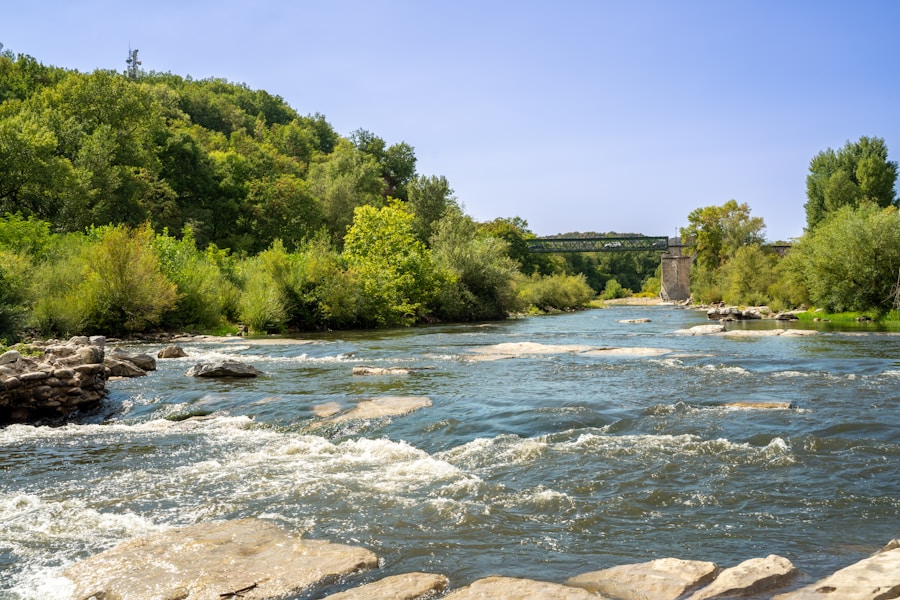

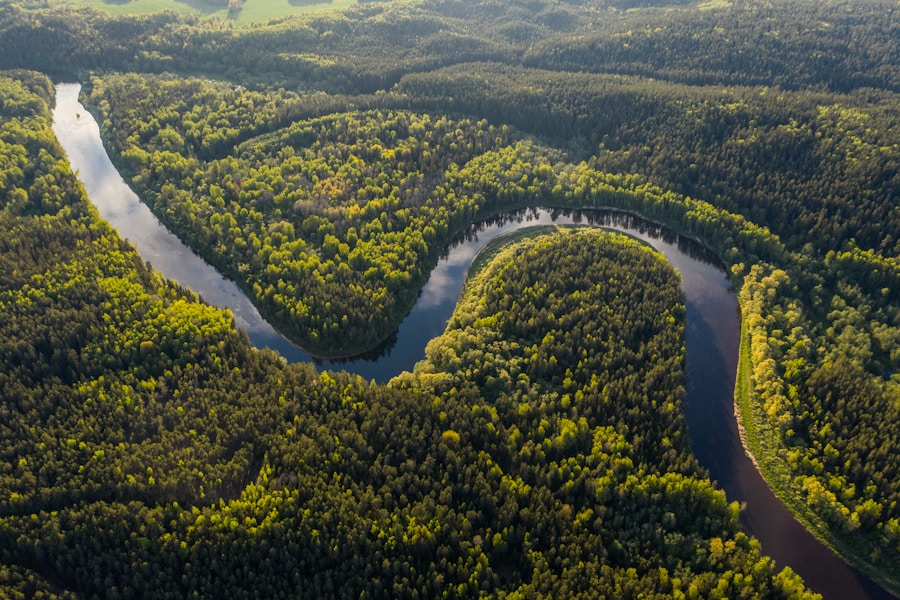
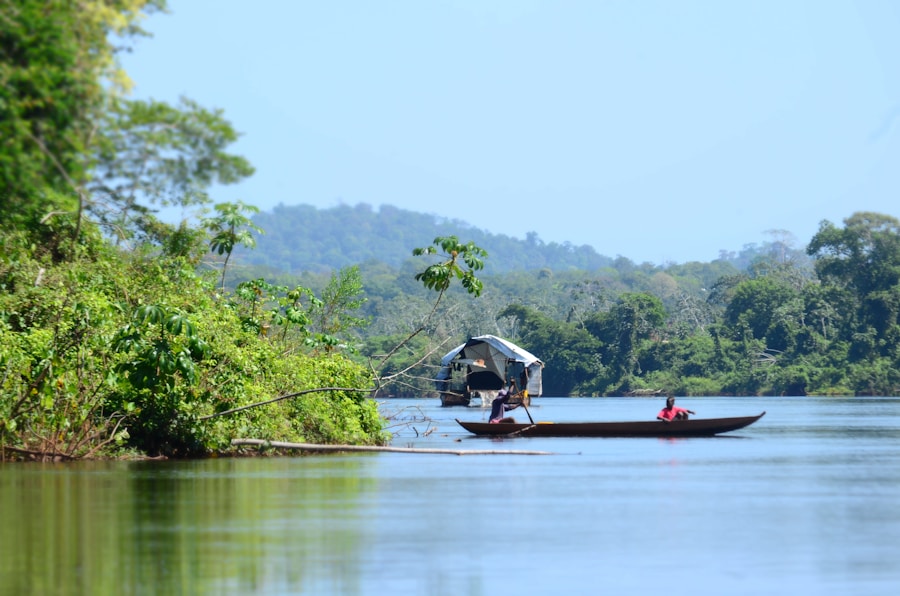
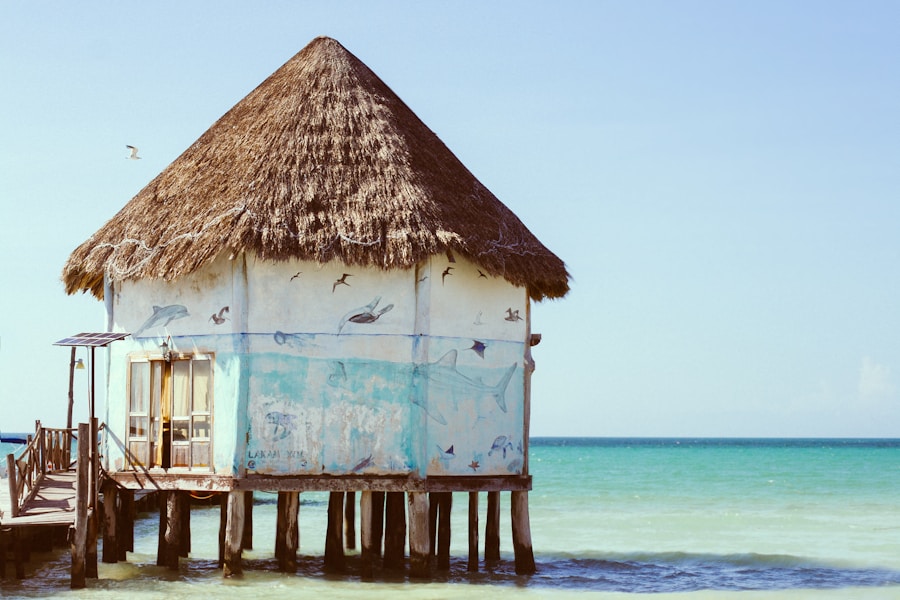
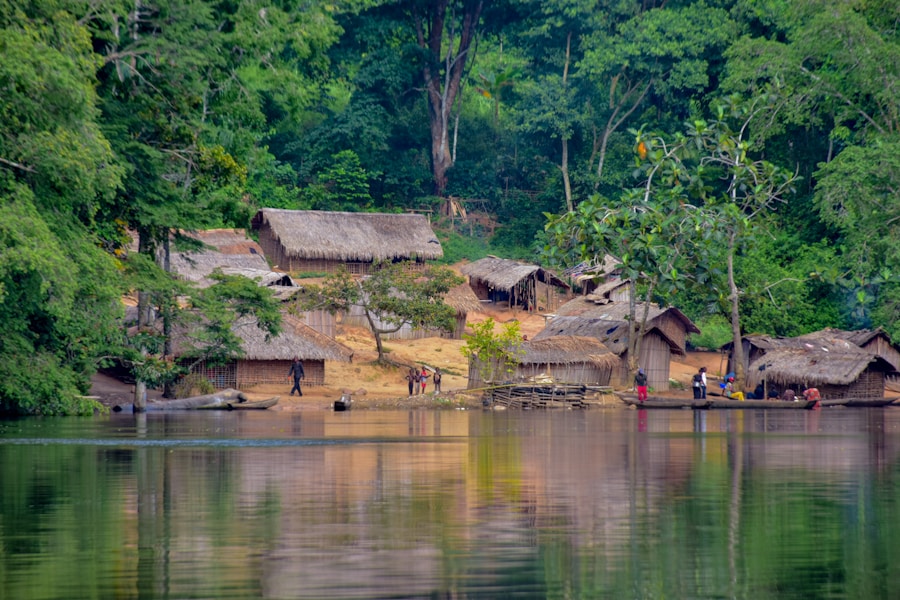
Suriname is the South American escape almost nobody talks about, and for the Dutch, Belgian, or anyone comfortable in a Germanic language it may be the easiest cultural landing on the continent. The only Dutch-speaking country in the Americas, this small Amazonian republic of roughly 620,000 people fronts a mangrove Atlantic coast and backs onto an interior that is over 90% intact tropical rainforest. Paramaribo's UNESCO-listed wooden colonial centre feels like a parallel Amsterdam crossed with the Caribbean, KLM flies non-stop from Schiphol in around nine hours, and a Berlin grocery budget here funds an entire household with weekends left over. With a major offshore oil development moving toward first production by 2028 and a brand-new sovereign-wealth-fund framework being designed around it, Suriname in 2026 is quietly the most asymmetric bet on the South American map.
What you actually get.
Six things that matter. Tap any card for the full briefing.
The full briefing
Click any section to expand.
Tax 8–38% progressive on residents — but no wealth, inheritance or capital gains tax
Be upfront: Suriname is not a tax haven for personal income. Residents are taxed on their worldwide earnings on a progressive scale that runs from 8% at the bottom up to a top rate of 38%, with a meaningful personal exemption and dependent allowances at the lower end. The system is bracket-indexed against inflation, and the SRD-denominated thresholds have been raised repeatedly through 2024 and 2025 as the currency stabilised under the IMF-supported reform programme. Pensions, foreign-tax credits and a growing treaty network apply, and Suriname signed onto the Multilateral Convention on Mutual Administrative Assistance to bring its framework into line with OECD norms. Absolute rates are clearly below most of Western Europe, but the bracket itself is not the headline pull.
What Suriname does not have is what makes the picture work. There is no wealth tax, no inheritance or gift tax, no exit tax, and no general capital-gains tax on personal (non-business) assets — sell your Dutch flat after you move and Paramaribo will not chase you for the gain. Dividends face a flat 25% withholding at source. VAT runs at 10% on most goods and services, half the Dutch rate, with a reduced band on essentials. The corporate regime is heavier on paper but offers a simplified flat-rate option for small businesses, and the stability terms negotiated for the offshore oil and gas sector are designed for decades, not electoral cycles. For most European arrivals, the working plan is straightforward: keep foreign-source income clean, structure pensions before you cross the 183-day line, and pay modest local rates on whatever you genuinely earn inside Suriname.
Cost of living Couple lives well on €1,200–1,800/mo — among the cheapest in the Americas
Suriname is genuinely among the cheapest countries in the Americas to live, and the gap to the Eurozone is large. A modern one-bedroom apartment in central Paramaribo — Zorg en Hoop, Elisabeth's Hof, or the leafy streets around Combéweg — rents for the equivalent of €300–500 per month, while a two-bedroom house with a garden in Uitvlugt or Geyersvlijt typically runs €500–800. Groceries at the Central Market or the better supermarkets cost a fraction of Dutch prices: a kilo of fresh fish lands around €4, tropical fruit is close to free, and a hearty roti or nasi lunch at a local warung is €3–5. Gigabit fibre adds around €25 a month, and electricity stays cheap thanks to a hydropower-heavy grid.
Put it together and a single European lives very comfortably in Paramaribo on €1,000–1,400 a month, while a couple covering rent, food, eating out two or three times a week, transport, private health insurance and weekend trips into the interior tends to settle into €1,200–1,800. That is roughly half the equivalent Berlin baseline, and the gap widens further outside the capital — in Nickerie, Albina, or one of the Maroon villages along the Suriname River, costs collapse to almost nothing. Imported European goods (wine, electronics, branded cosmetics) carry hefty duties and shipping markups, but anything local is dramatically cheaper than home. A modest European savings buffer goes a very long way here.
Lifestyle Dutch is the official language; Amazon at your back door, Caribbean rhythm
Suriname's defining advantage for Europeans is language. Dutch is the official tongue of government, courts, schools, hospitals and most newspapers — the only country outside the Netherlands and Belgium where you can buy bread, file a tax return, see a doctor and read your child's school report card without ever switching languages. Sranan Tongo, an English-based creole, is the warm street lingua franca, and English is widely understood across the professional class. The cultural mix is the most diverse in South America: Hindustani, Javanese, Creole, Maroon, Chinese, Indigenous and European communities share a small capital, and daily life rotates through roti shops, warungs, Chinese bakeries, Dutch-style cafés and Caribbean rum bars without anyone finding the combination unusual.
Geography turns ordinary weekends into expeditions. Paramaribo sits at the edge of an interior where over 90% of the country is still primary rainforest — Brownsberg's plateau and waterfalls are a couple of hours from town, the Central Suriname Nature Reserve (a UNESCO World Heritage site larger than the Netherlands) is a short bush flight, and the Galibi sea-turtle beaches on the Marowijne River are a long but unforgettable day trip. The climate is steady tropical: 25–32°C year-round, two short rainy seasons and otherwise blue sky and trade-wind breeze. KLM flies non-stop from Amsterdam in roughly nine hours, Caribbean Airlines connects Trinidad and the wider Caribbean, and Brazil's Belém is a short hop south. For a Dutch family, Suriname is somehow both genuinely exotic and entirely familiar from the moment they land.
Laws & freedom Dutch civil-law roots, equal property rights for foreigners, stable democracy
Suriname inherited the Dutch civil-law tradition wholesale at independence in 1975, and the bones remain reassuringly familiar. The civil code, the commercial code, the cadastre and the notarial system all descend directly from Dutch templates, contracts are drafted and litigated in Dutch, and judges are still partly trained in cooperation with Dutch institutions. The country is a stable multi-party democracy with regular peaceful transfers of power — the 2025 general election produced a coalition government handed over entirely through constitutional procedure, and the army has stayed out of politics for two decades. CARICOM membership integrates Suriname into Caribbean regional law on trade, free movement and dispute resolution, and a growing network of double-tax treaties is being signed in step with the new oil and gas framework.
Property rights for foreigners are uncomplicated. Europeans can buy urban houses, apartments and most rural land freehold in their own name without a local partner, and the deeds register is digitised and searchable. The genuine nuance is that much of the interior is held under traditional Maroon and Indigenous collective tenure rather than private title — a recognition reinforced by the Inter-American Court of Human Rights in the Saramaka and Kaliña–Lokono judgments — and those areas are simply not on the private market. Personal freedoms are broad and Dutch-liberal in flavour: free speech is robust, press freedom ranks well in the region, religious life is genuinely plural across Hindu, Muslim, Christian and traditional faiths, and the country has been pragmatic on social issues without the ideological intensity of contemporary Western Europe.
Safety No cartel war; expat neighbourhoods quiet; Level 2 advisory like France
Suriname carries no cartel war, no kidnapping industry and no insurgency, which already places it in a different bracket from much of mainland Latin America. The U.S. State Department keeps the country at a Level 2 travel advisory, the same tier as France, Germany or Spain, and the Global Peace Index consistently places it among the more peaceful nations in the Americas. The national homicide rate is concentrated in specific outer Paramaribo neighbourhoods that expats simply do not live in, and serious violent crime against foreigners is rare. The day-to-day risk profile is petty theft, bag-snatching at the Central Market and opportunistic burglary if a ground-floor window is left wide open overnight — exactly the standard urban precautions any European city now demands.
The neighbourhoods Europeans actually settle in — Elisabeth's Hof, Zorg en Hoop, the embassy belt around Gravenstraat, Uitvlugt and Geyersvlijt — operate with the quiet calm of a small Dutch provincial town. Children walk to school, families cycle through the late afternoon, and the Palmentuin park hosts open-air concerts without incident. Standard discipline is enough: registered taxis or rideshare after dark, no walking through the older docks at night, no flashing valuables in tourist areas. Hospitals like Academisch Ziekenhuis Paramaribo and the private Sint Vincentius handle most needs competently, while serious cases are evacuated to Trinidad, Miami or the Netherlands under an international plan that still costs a fraction of European premiums.
Visa pathway MAV → VTV → permanent residency in 3 years; citizenship after 5
The cleanest pathway for Europeans is the MAV–VTV–VTOV ladder. You apply for a Machtiging tot Voorlopig Verblijf (authorisation for temporary residence) at a Surinamese mission abroad before travelling — most Dutch and Belgian applicants use the embassy in The Hague — providing a clean police certificate, proof of stable income or pension (typically around €1,500–2,000 per month for a single applicant, less if you bring qualifying savings), a basic medical certificate and a notarial guarantee. Approval generally takes three to six months. On arrival you convert the MAV into a Vergunning tot Tijdelijk Verblijf, a renewable one- or two-year temporary residence permit that allows you to live in Suriname and, for most categories, work as well.
After three years of continuous lawful residence on a VTV, you become eligible for the Vergunning tot Vestiging — permanent residence — which removes any further renewal cycle and gives you indefinite right to stay. Naturalisation as a Surinamese citizen typically becomes available after five years of total legal residence, with a Dutch-language and civics check that the procedure is conducted in. Because Dutch is the working language, most Dutch and Belgian applicants pass without formal preparation. Suriname has allowed dual citizenship since 2014, so no EU passport needs to be surrendered. Dedicated retiree and investor tracks are being formalised in tandem with the new oil-fund and sovereign-wealth framework expected to be enacted through 2026 and 2027, and a digital-nomad category is under active discussion.
Your 5-step plan
Use only the services you need. None of the below steps are required — pick the ones that fit your situation.
Apply for a consultation
We talk first to confirm fit on both sides before any commitment.
Scout trip (10–14 days)
Visit, walk neighborhoods, meet local lawyers and current expats.
Visa application
We connect you with vetted local immigration counsel and prep all documents.
Banking + housing
Open local accounts, secure a 12-month rental in the right neighborhood.
Move-in + integration
Healthcare, schools, drivers license, and into the expat network.
Serious about Suriname?
Apply for a consultation. We reply within 24 hours.
Apply for a consultation