Uruguay
The Switzerland of South America
Uruguay has quietly become the destination Europeans choose when they want everything to just work — without the surveillance, the taxes, or the tension. Wedged between Argentina and Brazil but temperamentally closer to a small Italian or Iberian republic, this country of 3.4 million has spent a century building the most stable democracy in the Americas. It is the only South American nation routinely called the "Switzerland of South America," and the nickname is more than marketing: strong property rights, a territorial tax system, a literate population, and a culture that prizes calm over noise. For a European seeking warm winters, an Atlantic coast, and a passport that opens doors without weighing you down, Uruguay is the soft landing of the southern hemisphere.
What you actually get.
Six things that matter. Tap any card for the full briefing.
The full briefing
Click any section to expand.
Tax 0% on foreign income for 11 years — one of the world's best tax holidays
Uruguay's signature offer is the tax holiday: new tax residents can shield virtually all foreign-source income from Uruguayan tax for up to eleven years. Under Law 20.446, which took effect on 1 January 2026, the regime was refined rather than dismantled. Anyone who moves now and qualifies as a new resident — meaning you were not a Uruguayan tax resident in the two prior years — can elect a ten-year extension during which foreign dividends, interest, rental income, and capital gains stay outside the Uruguayan tax net. Existing holders are grandfathered on the original terms. Beyond the holiday, Uruguay applies a territorial system, so foreign-sourced income is the default exception, not the rule.
Equally important is what Uruguay does not tax. There is no wealth tax on foreign assets, no inheritance tax in the European sense, and no capital gains tax on real estate held more than ten years. Personal income tax (IRPF) applies only to Uruguay-sourced earnings, and rates remain moderate. The 2026 reform raised the qualifying real-estate investment threshold to roughly US$2 million for those who want residency without 183-day presence, but a US$100,000-per-year contribution to the National Innovation Fund opens a liquid alternative. For a high-earning European, the math is rarely tighter than it is here.
Cost of living €1,500–2,000/mo in Montevideo, well below Berlin's €2,500
Money goes much further in Uruguay than in any Western European capital. A comfortable single life in Montevideo — the Pocitos waterfront, leafy Punta Carretas, or the embassy belt of Carrasco — runs roughly €1,500 to €2,000 per month all-in, including a modern one- or two-bedroom apartment, groceries from the local feria, mid-range restaurants twice a week, transport, and private health insurance. Compare that to the €2,500 Berlin baseline, which buys you a smaller flat, a colder winter, and a tax bill that eats half your raise. Rent for a centrally located one-bedroom in Montevideo averages around €670 per month, with premium two-bedrooms in Carrasco landing near €1,100.
Outside the capital, the calculus gets even gentler. In coastal towns like La Paloma, Piriápolis, or year-round José Ignacio, off-season rents drop sharply and a household of two can live well on €1,800 to €2,200 monthly. Punta del Este is the glamorous outlier — summer rents spike from December through February as Buenos Aires empties onto its beaches — but stay nine months of the year and your costs settle into the same band as Montevideo. Groceries are dominated by superb local beef, wine, dairy, and produce; a weekly market run for two rarely exceeds €70. Berlin money buys a Uruguayan upper-middle-class life.
Lifestyle Slow asado weekends, mate in the park, Atlantic beaches
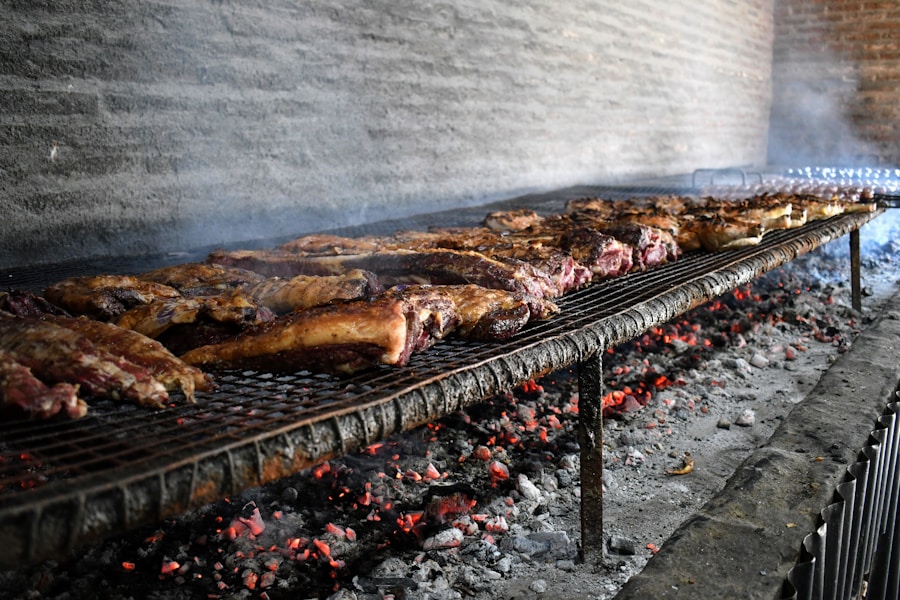
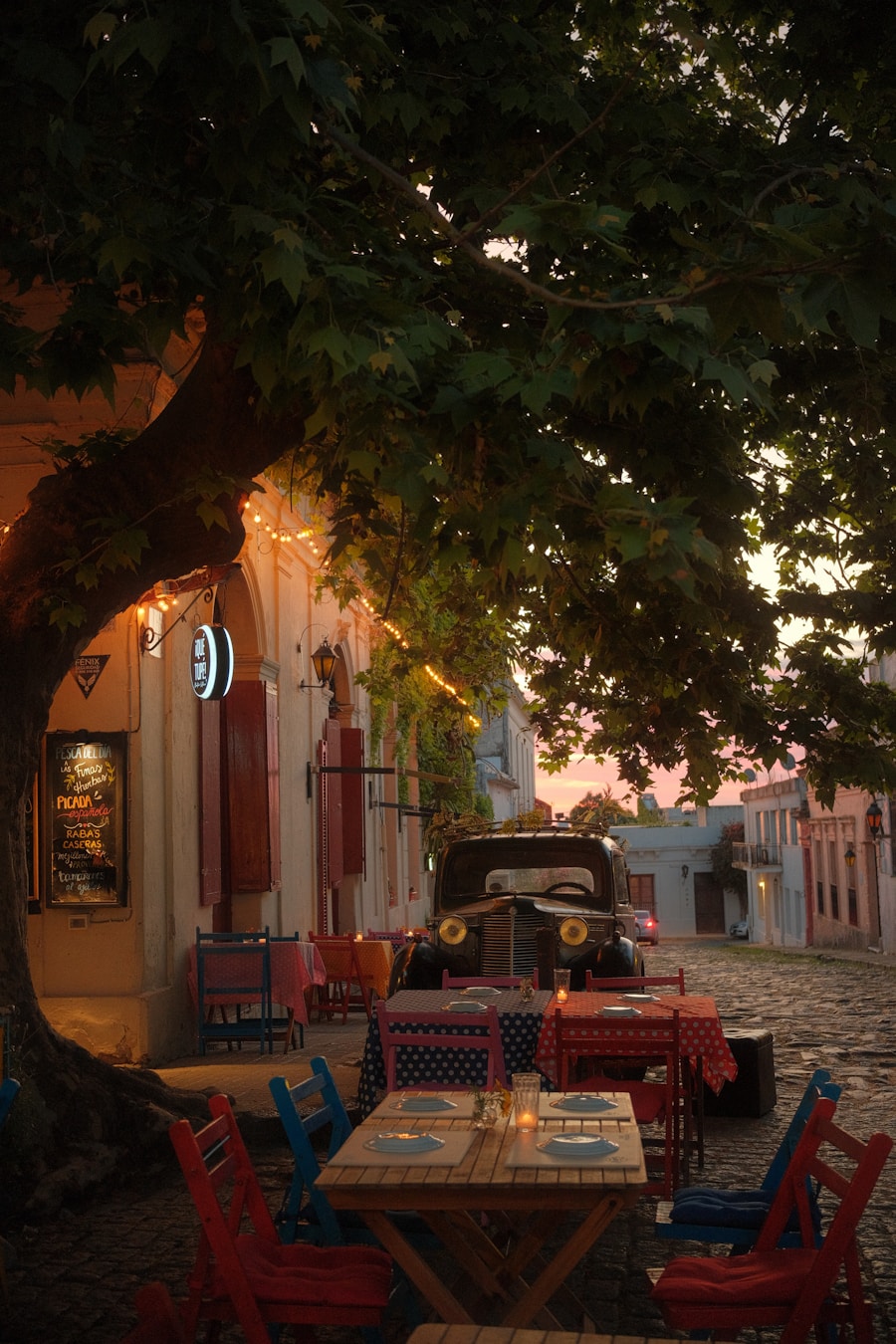
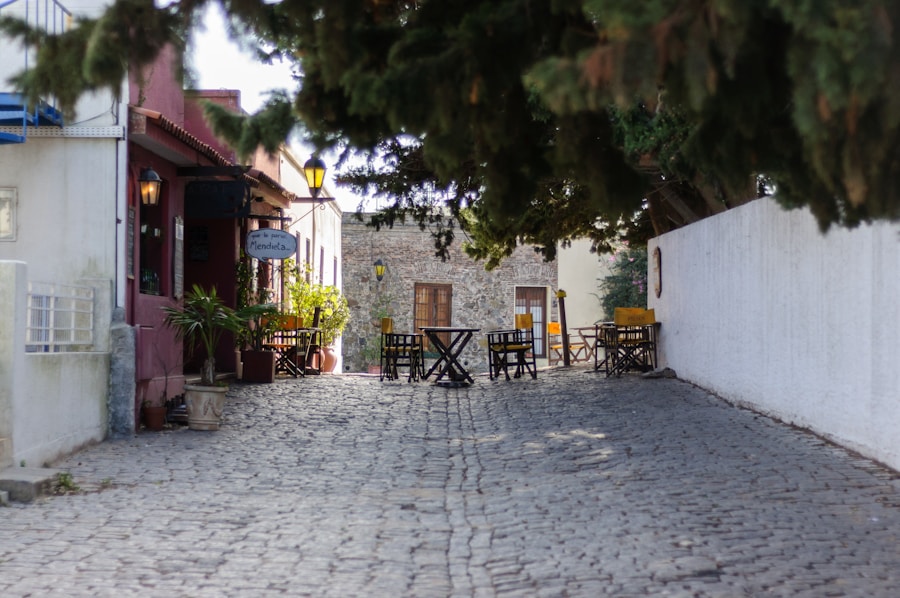
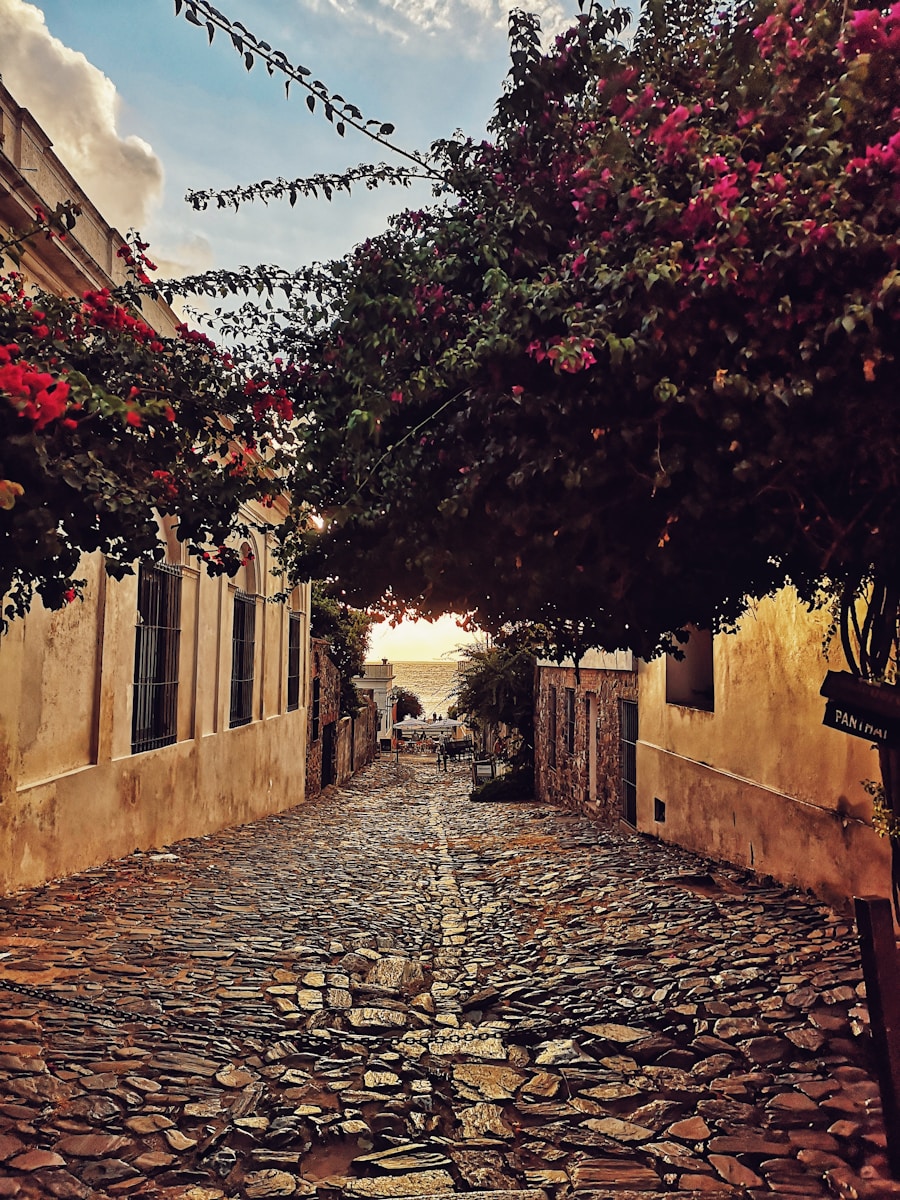
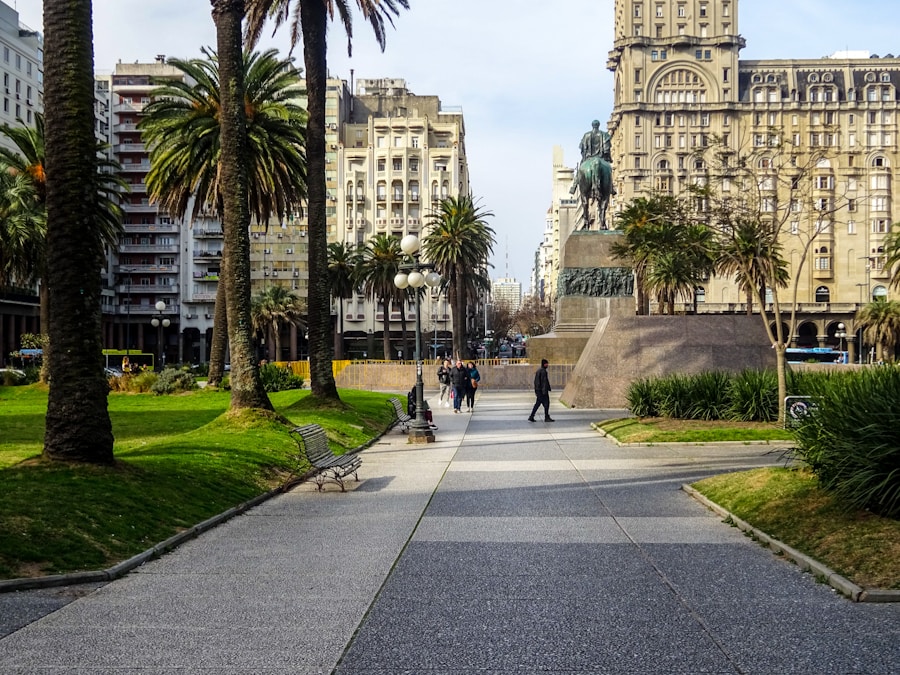
Uruguay's rhythm is deliberately slow, and that is the whole point. Weekends revolve around the asado — a long, unhurried grill of beef ribs, chorizo, and provoleta cheese — with friends arriving at one in the afternoon and leaving after sunset. A thermos of yerba mate is the national accessory, passed hand to hand in parks, on the Rambla, at the office. Cities feel European in the best way: Montevideo has the wide boulevards and Art Deco of a 1920s Mediterranean port, Colonia del Sacramento is a UNESCO Portuguese village, and Carmelo's wineries echo Tuscany. Roughly nine in ten Uruguayans descend from Italian, Spanish, French, or Swiss immigrants, and it shows in the architecture, the surnames, and the espresso.
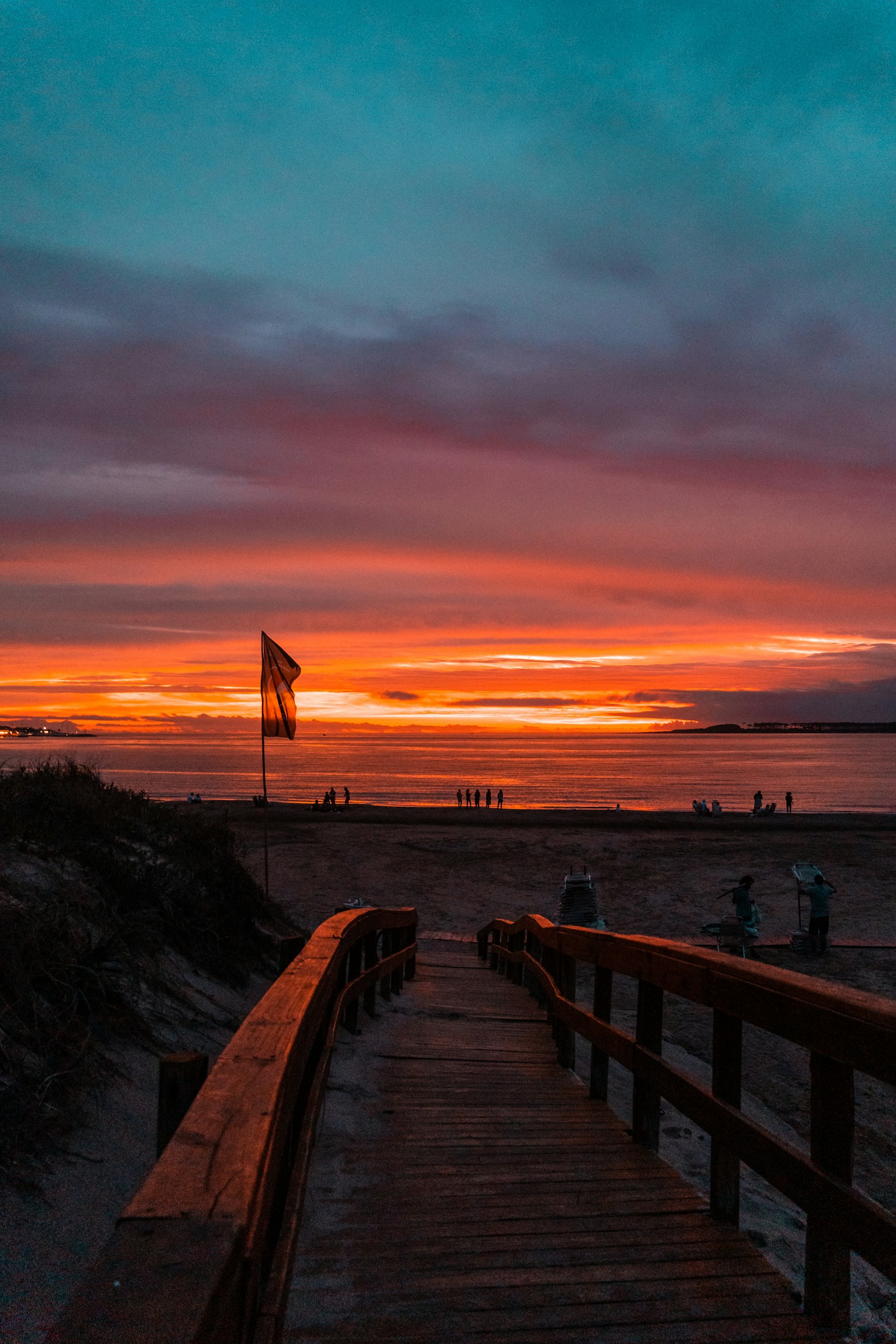
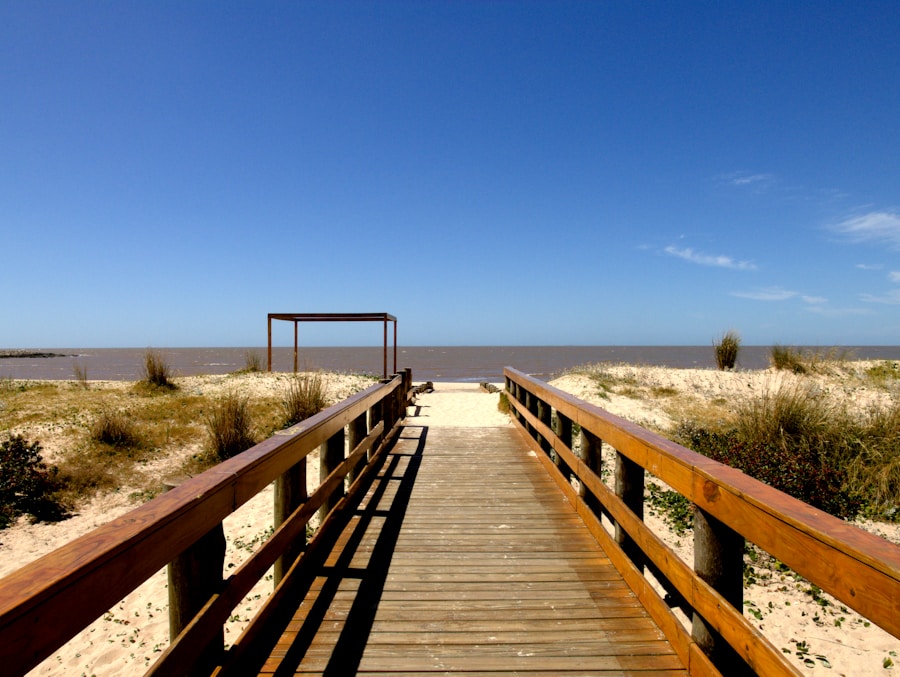
Step outside the cities and the country opens into estancia country — rolling pampas dotted with cattle, gauchos on horseback, and small ranch hotels where you can ride at dawn and eat lamb cooked over an open fire at night. The Atlantic coast east of Punta del Este unspools into a 200-kilometre ribbon of empty beaches, lagoons, sea lions, and pine forests at Cabo Polonio and Punta del Diablo. Surfers, writers, and quiet Europeans have been settling these villages for two decades. Summers are long and mild, winters short and rarely cold, and the pace is the kind that makes you forget you used to look at your phone every five minutes.
Laws & freedom Switzerland of South America — stable democracy, strong property rights
Uruguay is the only country in Latin America that the Bertelsmann Transformation Index ranks first for political transformation, and the Economist Intelligence Unit places it 15th globally as a "full democracy" with a score above 8.6. Power has changed hands peacefully between center-left and center-right coalitions for decades; there is no caudillo tradition, no military shadow, no constitutional drama. Freedom House gives the country a near-perfect score on civil and political rights. For a European watching their own institutions strain under populism and emergency powers, the dullness of Uruguayan politics is itself the luxury — laws are debated, passed, and enforced the way they used to be at home.
Property rights are codified, respected, and identical for foreigners and citizens — no permits, no nominee structures, no coastal restrictions. Contracts hold up in court, the judiciary is genuinely independent, and Transparency International consistently ranks Uruguay as the least corrupt country in Latin America. The central bank operates with credibility, the peso floats freely, and capital moves in and out without exchange controls. Organized crime exists, as it does everywhere, but it is concentrated in specific outer Montevideo neighborhoods and has not bled into the institutional fabric. For an investor or a family, the rule-of-law environment is closer to Portugal or Chile than to anywhere else on the continent.
Safety South America's safest country — Level 2 advisory, like France
Uruguay is the safest country in South America, full stop. The U.S. State Department places it at Level 2 — the same advisory tier as France, Italy, Spain, and Costa Rica — and the Global Peace Index ranks it among the most peaceful nations in the Western Hemisphere. The national homicide rate of around 11 per 100,000 is heavily skewed by a handful of outer Montevideo zones where organized-crime disputes play out; in the neighborhoods Europeans actually live — Pocitos, Punta Carretas, Carrasco, Ciudad Vieja by day, Punta del Este, José Ignacio, Colonia — incident rates are closer to a quiet German mid-sized city.
Daily life feels genuinely calm. Women walk home alone after dinner along the Rambla, children take the bus to school, and the worst street crime in tourist areas is the occasional pickpocket in a busy plaza. Cafés leave laptops on outdoor tables, restaurants do not bolt their patio chairs, and the police presence is visible but unobtrusive. Standard precautions — registered taxis or Uber after dark, no flashing valuables, no late-night ATM withdrawals in unfamiliar areas — are enough. After a few months you stop performing the constant low-level vigilance that defines life in Paris, Brussels, or Barcelona today, and the nervous system simply settles.
Visa pathway Permanent residency in months, citizenship after 3–5 years
Uruguay's residency process is one of the most straightforward in the world. You file with the Dirección Nacional de Migración after arrival, receive your first cédula (national ID) within roughly ten days, and the full permanent residency is typically granted within six to twelve months. Proof of stable means is modest — around US$1,500 per month for a single applicant, US$2,500 for a couple, or qualifying real estate or securities from US$100,000. The 2026 reform made tax residency via property investment more demanding (the new threshold sits near US$2 million for those wanting the holiday without 183-day presence), but ordinary immigration residency remains very accessible.
Citizenship is the prize. Uruguay grants naturalization to families after three years of residency and to single applicants after five, counted from the day you first entered the country — not from when your card was issued. You take a short Spanish-language hearing before the Corte Electoral, pass a background check, and receive a Uruguayan passport that allows visa-free entry to Schengen, the UK, Japan, and 150+ destinations. Dual citizenship is fully permitted; no European nationality has to be renounced. For a family willing to commit, three years and a Montevideo address is one of the fastest legitimate second-passport routes on earth.
Your 5-step plan
Use only the services you need. None of the below steps are required — pick the ones that fit your situation.
Apply for a consultation
We talk first to confirm fit on both sides before any commitment.
Scout trip (10–14 days)
Visit, walk neighborhoods, meet local lawyers and current expats.
Visa application
We connect you with vetted local immigration counsel and prep all documents.
Banking + housing
Open local accounts, secure a 12-month rental in the right neighborhood.
Move-in + integration
Healthcare, schools, drivers license, and into the expat network.