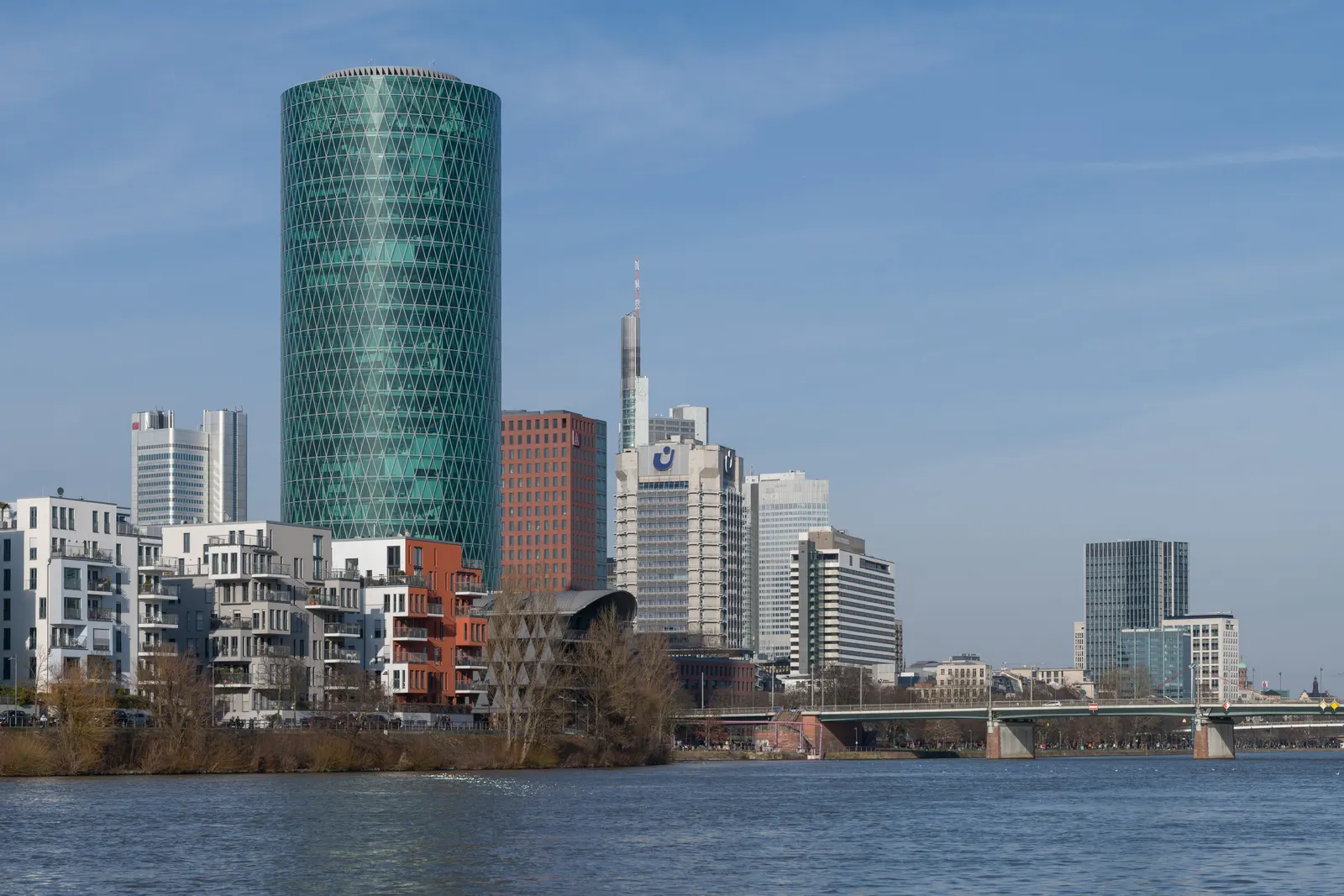
No official series counts open drug scenes. Police and customs publish seizures, offences and deaths, and those show where the market is heading. Customs at the port of Antwerp seized around 55 tonnes of cocaine in 2025, around 25% more than in 2024 [CRM30]. German police recorded 39,414 cocaine and crack cases in 2025, up 1.9% [CRM59]. If you live near a station or a park where this plays out, the numbers below tell you what is measured and what is not.
Sweden records 1,274 drug offences per 100,000 people, Spain 44
These are police-recorded offences, not surveys. Eurostat says the number of police-recorded crimes "varies widely across the EU, even when adjusted to population size" [CRM3], so read the table as a list of national counting systems, not a league table of drug use.
| Country | Drug offences per 100,000, 2024 [CRM58] |
|---|---|
| Sweden | 1,274.11 [CRM58] |
| France | 559.65 [CRM58] |
| Belgium | 509.03 [CRM58] |
| Denmark | 477.57 [CRM58] |
| Austria | 412.39 [CRM58] |
| Ireland | 288.30 [CRM58] |
| Germany | 273.32 [CRM58] |
| Netherlands | 80.64 [CRM58] |
| Italy | 53.99 [CRM58] |
| Spain | 44.30 [CRM58] |
Drug offences recorded per 100,000 people, 2024
source 12Police-recorded offences, mostly a measure of police activity; Eurostat says counts vary widely between countries even when adjusted for population. German figure fell after the 2024 cannabis law.
Germany's figure fell after cannabis possession and cultivation were partly legalised from 1 April 2024, so no German drug trend across 2024 is shown here [CRM15].
A high rate often means more policing, not more use
Sweden tops the table, with 125,142 drug offences reported in 2025, down 4% on 2024 and 38% above 2016 [CRM60]. Sweden's crime-prevention council Brå says that number is mainly a result of police search and intervention activity [CRM60]. The Netherlands, at 80.64 per 100,000, and Spain, at 44.3, sit at the bottom of the table [CRM58], and that says as much about what each country records as about what its streets look like.
Eurostat's series shows slow movement in most places between 2015 and 2024. Sweden went from 990.61 to 1,274.11, Belgium from 468.59 to 509.03, Denmark from 438.41 to 477.57 and Austria from 385.72 to 412.39 [CRM58]. Spain rose from 25.98 to 44.3, while Ireland fell from 311.12 to 288.3 [CRM58]. The Netherlands barely moved, from 81.8 to 80.64 [CRM58].
The German total shows the same effect. All drug offences fell 27.7% to 164,991 in 2025, mainly because of the cannabis law [CRM59]. Cocaine including crack went the other way, up 1.9% to 39,414 cases (38,671 in 2024), while heroin fell 16.7% to 7,190 [CRM59]. German PKS counts include punishable attempts [CRM59].
In France, people charged with drug use rose 6% in 2025 and people charged with trafficking rose 8% [CRM61]. In Spain, recorded drug trafficking rose 5.5% to 22,731 offences [CRM61]. These are enforcement counts, and they rise when police look harder.
Cocaine supply is large, and Antwerp is where it lands
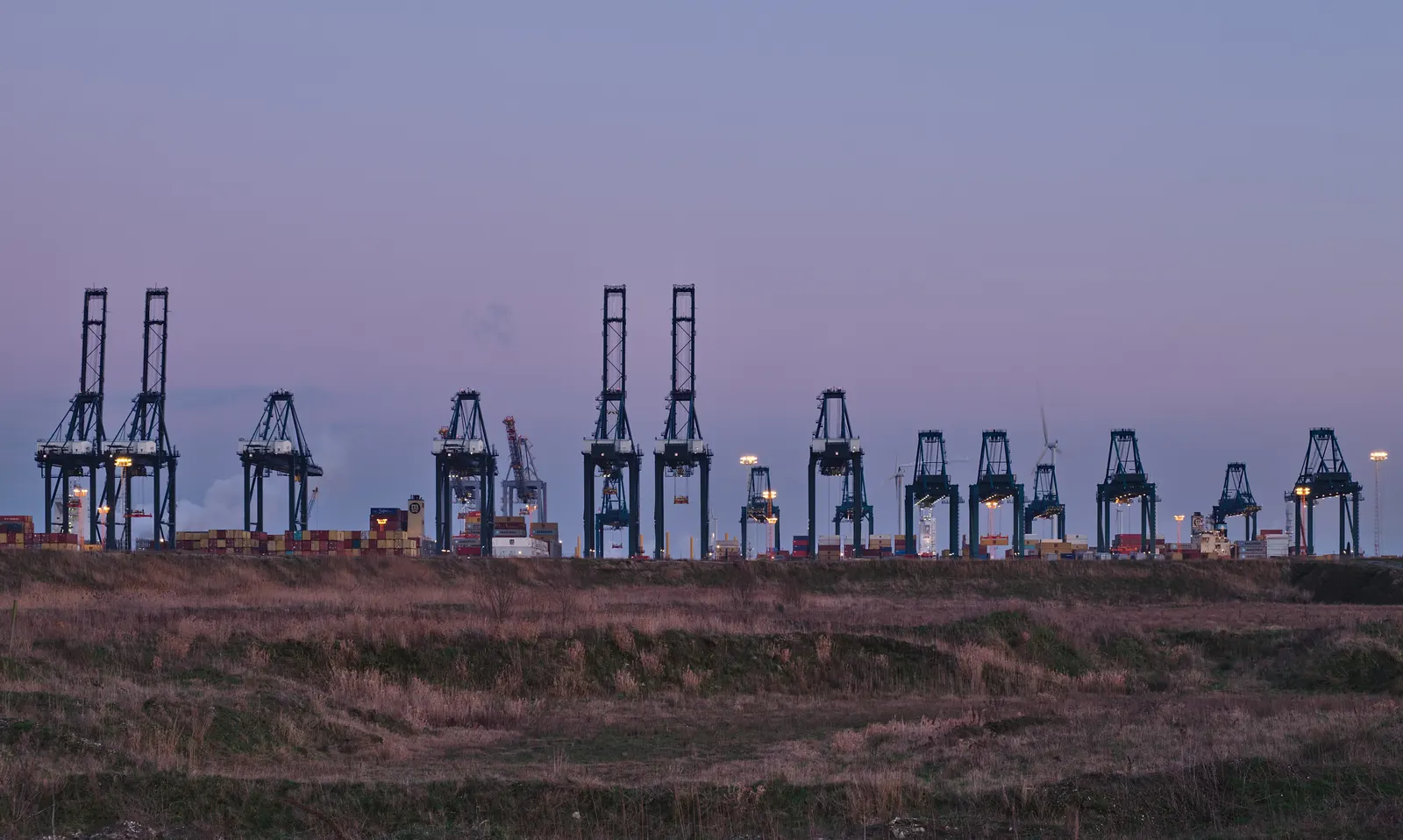
The EU seized a record 419 tonnes of cocaine in 2023, up from 323 tonnes in 2022, and 330 tonnes in 2024 [CRM56]. At Antwerp alone, customs took 120 tonnes in 2023, 44 tonnes in 2024 and around 55 tonnes in 2025 [CRM30].
Cocaine seized at the port of Antwerp
source 9Seizures by customs; 2025 and 2024 figures are around figures from the Federal Public Service Finance.
Seizures measure what customs catch, not what arrives. They do show that the volume entering Belgium's main port is large enough to move national figures. If you are weighing a move out of the city, the Antwerp page has the local rent and safety numbers.
Where the market turns violent, the numbers are falling in some places
Drug markets and gang violence are separate series, but they overlap. Belgium's police-recorded homicide rate was 1.4 per 100,000 in 2024, down from 2.06 in 2015 [CRM4]. That is still the highest of the ten countries in Eurostat's 2024 set, which runs from 0.57 in Italy to 1.4 in Belgium [CRM3].
Sweden has the clearest series. Police counted 325 shootings and 43 dead in 2018, 391 shootings and 62 dead in 2022, and 158 shootings and 43 dead in 2025 [CRM24]. From January to September 2026 the count was 61 shootings against 136 in the same months of 2025 (preliminary police figures) [CRM24].
Shootings counted by Swedish police
source 6- 01 2018 325 shootings, 43 dead
- 02 2022 391 shootings, 62 dead
- 03 2025 158 shootings, 43 dead
- 04 Jan–Sep 2026 61 shootings, against 136 in the same months of 2025 (preliminary)
The Netherlands counted 1,525 attacks with explosives on homes, businesses and vehicles in 2025, including attempts, eighteen fewer than in 2024 [CRM27]. Policy has not always delivered what it promised. Sweden's security zones, which let police search people without suspicion since 25 April 2024, were used once in 2025 and five times in total; no weapons or explosives were seized in them in 2024 or 2025 [CRM26]. The shootings and gang violence page has the detail.
What the figures say about harm
The EU recorded at least 7,600 overdose deaths in the latest annual figures, published in the EUDA's European Drug Report in June 2026 [CRM57]. That is the one drug-harm figure on our sheet that applies across the EU. It is not split by city or by street scene.
For the places people ask about by name, the national series is the best available proxy:
- Frankfurt and the Bahnhofsviertel. The sheet has German national counts only: cocaine and crack up 1.9% in 2025, heroin down 16.7% [CRM59]. City figures are on the Frankfurt page.
- Marseille. France's police figures show people charged with drug trafficking up 8% in 2025 and up 7% a year on average since 2020 [CRM61]. The Marseille page covers the city.
- Zürich's Platzspitzpark. No Swiss series is on our sheet, so this page makes no claim about it.

What it means for you
If you have kids. The figures that exist tell you about policing and supply, not about whether a given park is safe at 6pm. The parent's question needs a city and a district, and neither the sheet nor any published series answers it for a single street.
If you commute through a station. The sheet has no station-level drug figure. For public transport in general, France recorded 104,880 victims of theft, violence or fraud in 2025, down 2% and the lowest since 2016 [CRM70]. That series is mostly theft without violence, not drugs.
If you own property near a hot spot. The sheet gives no price or rent effect for drug scenes. What it does give is the violence series above: shootings in Sweden are down from their 2022 peak, and explosive attacks in the Netherlands are still above 1,500 a year [CRM24][CRM27].

Where the numbers favour a move, and where they do not
No destination on our sheet has a drug-scene series, and there is no sourced drug-offence rate to compare. The one measure that compares across borders is homicide. The UAE (0.69 per 100,000, 2022) and Malaysia (0.73, 2023) are at or below most of Western Europe [CRM2], where Germany is 0.91, France 1.34 and Sweden 1.15 (2023) [CRM1].
The Latin American destinations have a higher national homicide rate than every European country listed. Argentina is at 4.49 (2023) and Paraguay at 6.78 (2023) [CRM2]. If your reason for leaving is a drug scene on your street, the case for a move is about cost, tax and daily life in a new place, not about a lower national crime figure. The Paraguay page sets out those numbers, and the crime hub has the rest of the series, with the knife crime page as the next one to read.